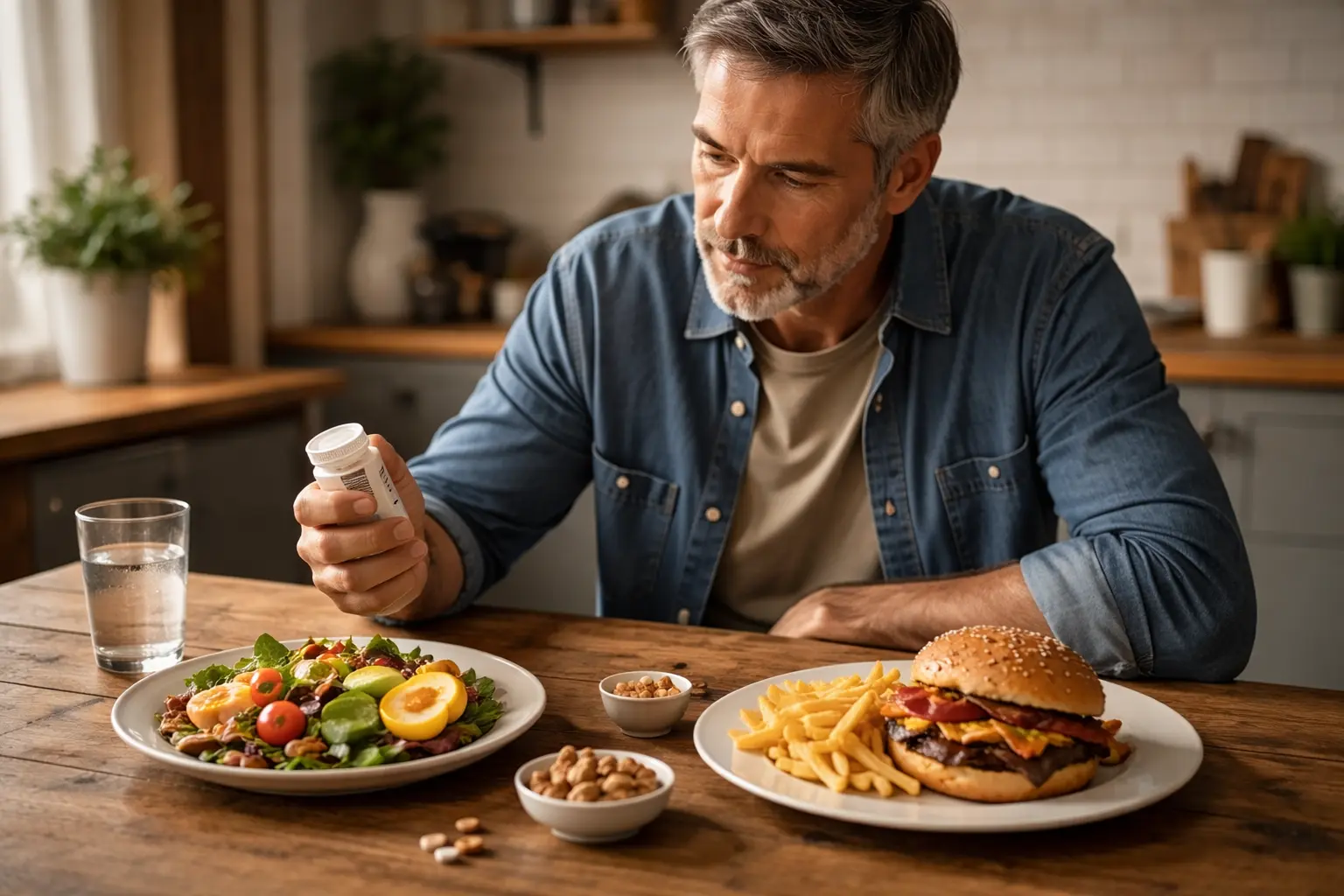
Your doctor mentions your cholesterol numbers and suddenly you’re drowning in confusion about HDL versus LDL cholesterol, wondering if you’re already at risk, and feeling like you should have paid more attention in health class.
Understanding HDL and LDL cholesterol
Think of your bloodstream as a delivery system, and cholesterol as cargo being transported throughout your body. HDL and LDL are the two main vehicles doing this work, but they operate very differently. HDL, the high-density lipoprotein, acts like a cleanup crew, actively removing excess cholesterol from your arteries and carrying it to your liver for disposal. LDL, the low-density lipoprotein, is more like a delivery truck that drops off cholesterol throughout your body. When you have too much LDL circulating, it starts sticking to artery walls, forming plaque buildup that narrows blood vessels and increases your risk of heart attack or stroke. Imagine LDL as packages piling up in your hallway instead of being properly stored. The good news is that understanding this difference gives you power. By knowing how these two work, you can make informed choices about diet, exercise, and medical interventions that directly impact your cardiovascular health as you age.
- HDL cholesterol helps clear excess cholesterol from your arteries.
- LDL cholesterol can contribute to plaque buildup in arteries.
- Maintaining a balance between HDL and LDL cholesterol is vital for heart health.
How to increase HDL cholesterol
Raising your HDL cholesterol requires consistent lifestyle choices that you can start implementing today. The most effective approach involves incorporating healthy fats into your daily meals. Olive oil in salads, avocados on whole grain toast, and fatty fish like salmon or mackerel twice a week are practical starting points. One 68-year-old retiree increased her HDL from 38 to 52 mg/dL in six months simply by swapping her butter for olive oil and adding a 30-minute walk four times weekly. Regular exercise is non-negotiable here, whether that means brisk walking, swimming, or dancing. Even moderate activity done consistently outperforms sporadic intense workouts. Reducing alcohol consumption also matters significantly, as excessive drinking actually lowers HDL. If you smoke, quitting is perhaps the single most impactful change you can make for your cholesterol profile and overall heart health. The combination of these habits works synergistically, meaning they amplify each other’s benefits.
📘 Fix your day in under 2 minuteschoose where to begin:
Tips for lowering LDL cholesterol
Lowering LDL cholesterol starts in your kitchen and extends to your daily habits. Focus on building meals around vegetables, fruits, whole grains, and lean proteins rather than viewing them as side dishes. A practical example: instead of a steak with vegetables, make vegetables the foundation and add a smaller portion of grilled chicken or fish. Saturated fats found in red meat, full-fat dairy, and processed foods directly raise LDL levels, so reading labels becomes essential. Swap butter for olive or avocado oil, choose skinless poultry, and opt for low-fat dairy products. Many seniors find success by identifying their trigger foods and gradually replacing them rather than attempting drastic overnight changes. Soluble fiber from oats, beans, and apples actively helps lower LDL by binding cholesterol in your digestive system. Pair these dietary changes with 150 minutes of moderate physical activity weekly, and you create a powerful LDL-reduction strategy that compounds over time.
Know your numbers
Your cholesterol numbers tell a story about your cardiovascular health, but only if you understand what they mean. Schedule a lipid panel with your healthcare provider at least every four to six years, or more frequently if you have risk factors like family history, diabetes, or previous heart issues. When you get your results, you’ll see four numbers: total cholesterol, LDL, HDL, and triglycerides. Write these down and track them over time, creating a visual record of your progress. Knowing your baseline helps you measure the impact of lifestyle changes or medications. For example, if your LDL drops from 145 to 110 mg/dL after three months of dietary changes, you have concrete evidence that your efforts are working. This tangible feedback motivates continued commitment. Discuss your individual targets with your doctor, as optimal numbers vary based on age, existing health conditions, and family history. Some seniors benefit from medication alongside lifestyle changes, while others achieve their goals through diet and exercise alone.
Living a heart-healthy lifestyle
Cholesterol management is just one piece of a larger heart-health puzzle. Managing stress through meditation, deep breathing, or hobbies you enjoy directly impacts your cardiovascular system and cholesterol levels. Chronic stress elevates cortisol, which can worsen cholesterol profiles. Sleep quality matters equally; aim for seven to nine hours nightly, as poor sleep disrupts the hormones that regulate cholesterol metabolism. Maintaining a healthy weight reduces strain on your heart and improves your cholesterol balance naturally. Social connection is often overlooked but profoundly important. Seniors who maintain active social lives and strong relationships experience better health outcomes overall. Consider joining a walking group, fitness class, or community organization where you can combine physical activity with social engagement. These lifestyle factors work together synergistically, creating a comprehensive approach to heart health that extends far beyond any single dietary change or medication.
Balancing HDL and LDL cholesterol levels through diet, exercise, and regular monitoring plays a vital role in maintaining heart health as we age.
What is the ideal balance between HDL and LDL cholesterol levels?
For optimal heart health, aim for higher levels of HDL cholesterol (above 60 mg/dL) and lower levels of LDL cholesterol (less than 100 mg/dL). Your healthcare provider can help you determine the right balance based on your individual risk factors.
Can genetics influence my cholesterol levels?
Genetics can play a role in determining your cholesterol levels, but lifestyle factors like diet and exercise also significantly impact your HDL and LDL cholesterol. It’s essential to focus on healthy habits to maintain a balanced cholesterol profile.
Others also read:
Disclaimer: This article is for informational purposes only and is not a substitute for professional medical advice. Always consult a healthcare professional for personal guidance.
This guide has been prepared and reviewed by the GlobalHealthBeacon editorial team and reflects current medical research as of 2026. It provides structured, evidence-based information to support informed health decisions.
