Your chest tightens when the doctor wraps that cuff around your arm, and you realize you have no idea what your blood pressure actually does between appointments, but what if telemonitoring blood pressure effectiveness could finally give you real answers without the white-coat anxiety?
The impact of remote monitoring on blood pressure levels
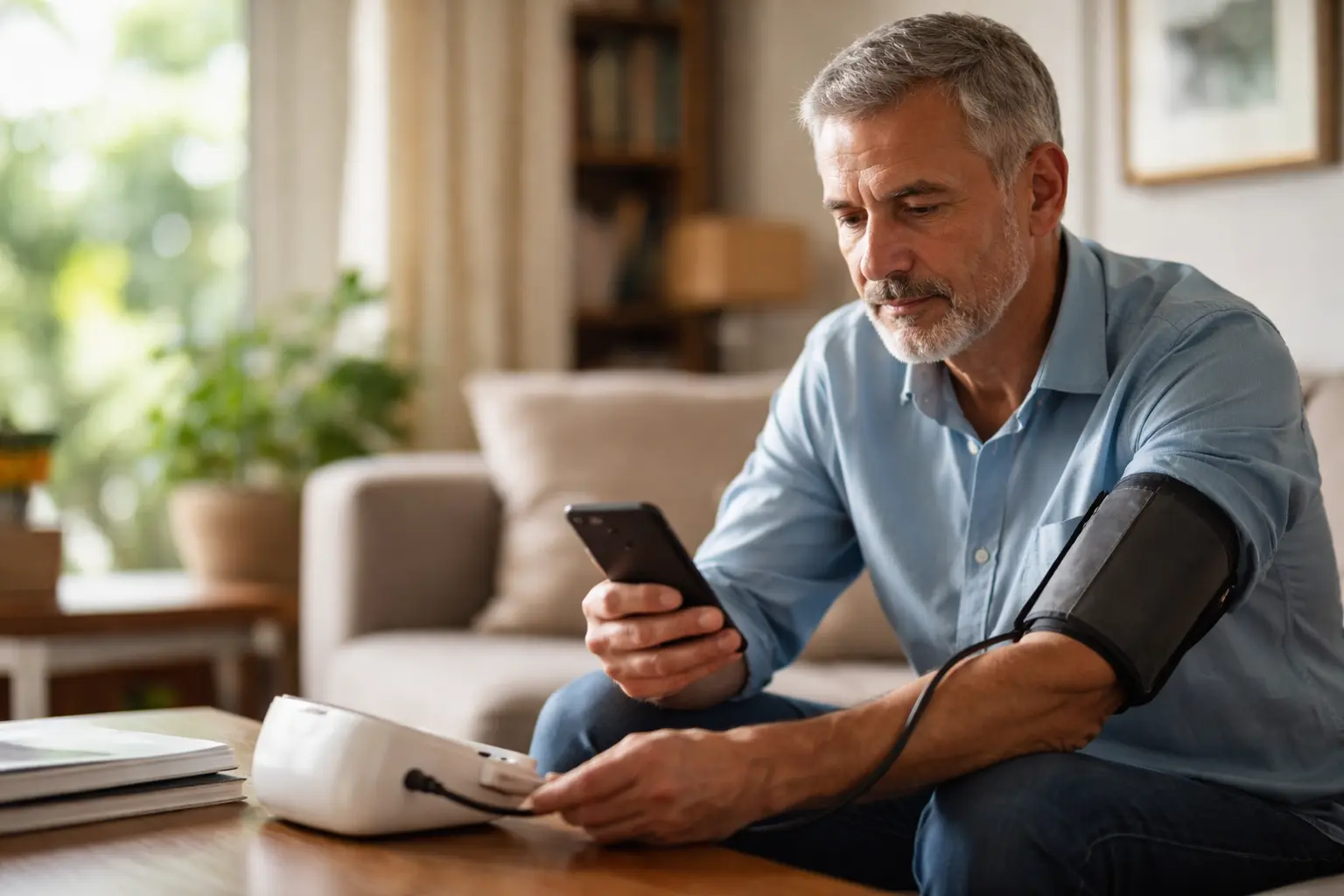
Picture this: you wake up, grab your home monitor, take a reading in two minutes flat, and instantly see the number on your phone. That’s the reality for thousands of young adults discovering how remote monitoring transforms blood pressure management from something that happens once a year in a sterile office into something you control daily. When you track readings consistently over weeks and months, patterns emerge that doctors might never catch during a single appointment. Maybe your pressure spikes after late-night study sessions, or dips when you actually stick to your workout routine. You start connecting dots between what you eat, how much you sleep, your stress levels, and those numbers on the screen. This isn’t just data collection; it’s detective work on your own body. Young adults particularly benefit because they’re already comfortable with health apps and wearable tech. You can spot trends before they become problems, share real data with your doctor instead of vague recollections, and feel genuinely in control of your health trajectory.
- Instant feedback on blood pressure readings
- Convenience of monitoring from home
- Empowerment through self-management
Benefits of remote monitoring for young adults
Remote monitoring hands you the steering wheel of your health instead of leaving you as a passenger. For young adults juggling work, school, relationships, and everything else, the convenience factor alone is massive. No scheduling appointments months in advance, no taking time off work, no sitting in waiting rooms. You check your pressure while having coffee, between classes, or after a workout, whenever it fits your life. But beyond convenience, there’s something psychologically powerful about this approach. When you see your readings improve after making lifestyle changes, you feel that connection immediately. You skipped the salty takeout for a week and your numbers dropped? That’s real motivation. You started meditating and noticed a difference? That’s proof your efforts matter. Many young adults report feeling less anxious about their health overall because they’re not wondering what’s happening between doctor visits. Instead of fearing the next checkup, you’re armed with months of actual data that tells your real story. This shift from passive patient to active participant changes everything about how you relate to your health.
💬 Ready to feel better in 2 minutes?choose where to begin:
Challenges and considerations of remote monitoring
Here’s where things get real: remote monitoring isn’t a set-it-and-forget-it solution. The biggest hurdle most young adults face is consistency. You buy a monitor with good intentions, use it religiously for two weeks, then life gets chaotic and suddenly three months pass without a reading. Technology also throws curveballs. Some devices connect seamlessly to your phone; others require finicky Bluetooth troubleshooting that makes you want to throw the thing across the room. Accuracy matters too. If you’re not using proper technique, your readings become meaningless. Most people don’t realize you need to sit quietly for five minutes, keep your arm at heart level, and use the right cuff size. Taking a reading while stressed, moving around, or with a cuff that doesn’t fit properly gives you garbage data. There’s also the psychological trap of obsessive monitoring, where you check multiple times daily and spiral when numbers fluctuate normally. Some young adults develop anxiety around the readings themselves, defeating the purpose of empowerment. The key is finding sustainable rhythm and remembering that remote monitoring is a tool to support your health journey, not replace professional guidance.
Real-life experiences with remote blood pressure monitoring
Meet Alex, a 28-year-old marketing manager who started remote monitoring after his doctor mentioned slightly elevated readings. For the first month, he checked his pressure obsessively, sometimes three times daily. Then he realized the pattern: his numbers were highest on Monday mornings before important meetings and lowest on weekends when he actually relaxed. That awareness alone changed his approach to stress management. He started taking walks before big presentations and noticed measurable improvements. Or consider Maria, 24, who discovered through consistent home monitoring that her pressure spiked specifically after energy drinks and late-night gaming sessions. She didn’t need her doctor to tell her to cut back; the data spoke for itself. Within three months of adjusting her habits based on real patterns she observed, her readings normalized without medication. These aren’t miracle stories; they’re examples of young adults using information to make informed choices. The common thread is that remote monitoring works best when you approach it with curiosity rather than fear, when you track consistently enough to spot real patterns, and when you use the insights to make actual lifestyle adjustments. The technology is just the mirror; your actions are what create change.
Remote monitoring of blood pressure levels offers young adults a convenient and empowering way to take charge of their health. By analyzing trends and staying engaged in the process, individuals can gain valuable insights and make informed choices for a healthier lifestyle.
How accurate is remote monitoring of blood pressure?
Remote monitoring devices are designed to provide accurate readings when used correctly. It’s crucial to follow the manufacturer’s instructions and consult with a healthcare provider if there are any concerns about the accuracy of the readings.
Can remote monitoring replace regular doctor visits for blood pressure management?
Remote monitoring is a valuable tool for self-management, but it should complement rather than replace regular doctor visits. Consult with a healthcare provider to create a comprehensive blood pressure management plan tailored to your individual needs.
Others also read:
Disclaimer: This article is for informational purposes only and is not a substitute for professional medical advice. Always consult a healthcare professional for personal guidance.
This article presents an experience-based perspective and has been reviewed by the GlobalHealthBeacon editorial team in 2026. It provides structured, evidence-based information to support informed health decisions.
← Back to the main telemonitoring blood pressure effectiveness page
