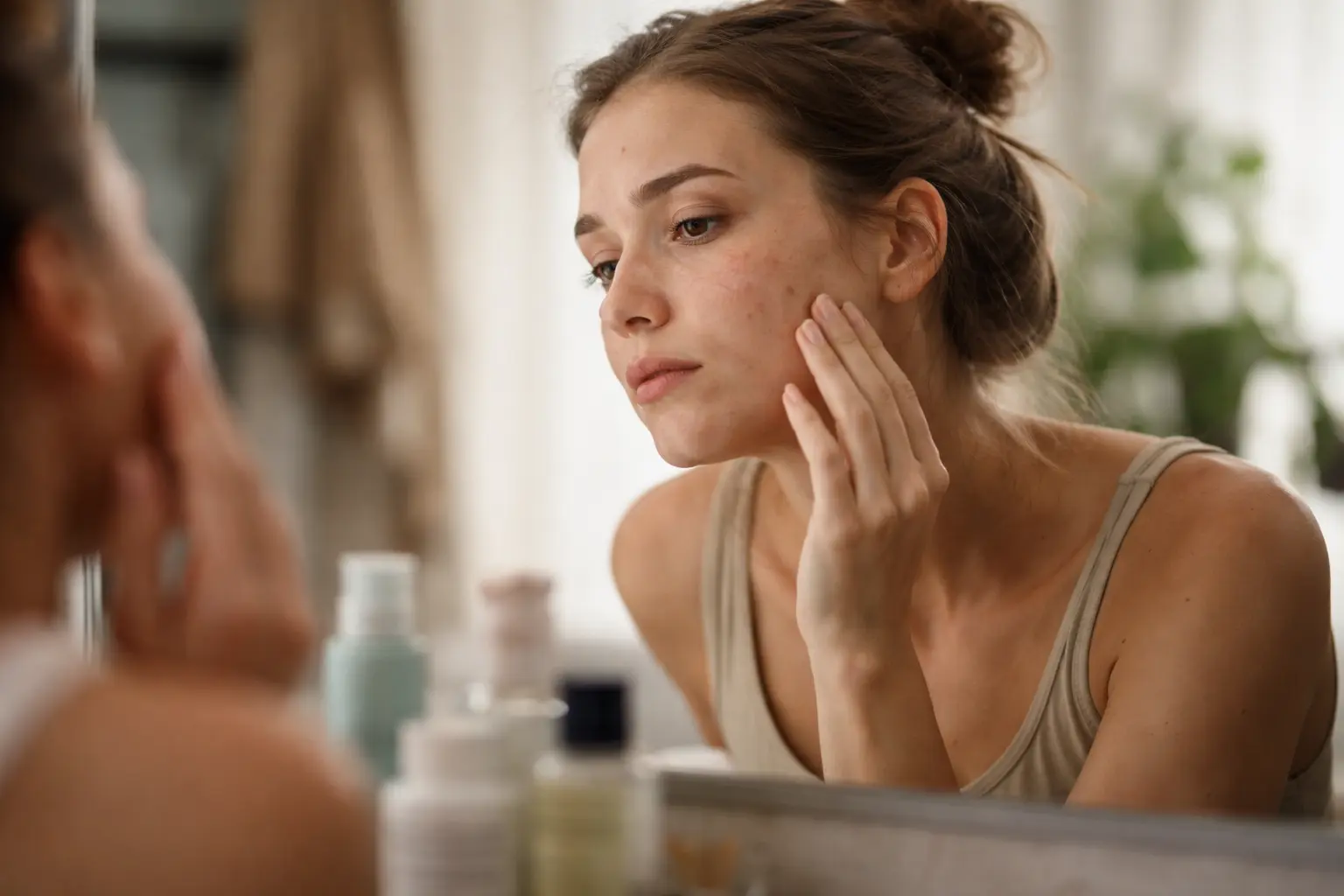
You wake up, look in the mirror, and there it is again – another breakout right when you need clear skin the most, and you’re tired of guessing what actually works, so here’s your complete acne treatment guide to finally take control.
Understanding acne causes
Acne doesn’t just appear randomly. It develops when your skin’s oil glands go into overdrive, often triggered by hormonal fluctuations common in young adults. Picture this: excess sebum clogs your pores, trapping dead skin cells inside. Bacteria like Cutibacterium acnes thrive in this oxygen-free environment, multiplying and causing inflammation. Your immune system responds by sending white blood cells to fight the infection, which is why you see redness and swelling. Understanding this chain reaction helps you target the right treatment. Some people’s skin is simply more prone to this cycle due to genetics, while others experience flare-ups tied to stress, diet, or certain products. The key is recognizing that acne is a biological process, not a personal failure or hygiene issue.
- Excess oil production leads to clogged pores.
- Bacteria on the skin can aggravate acne.
- Inflammation plays a key role in acne development.
Effective skincare routine
Your daily routine is your first line of defense. Start by cleansing twice daily with a gentle, non-comedogenic cleanser that won’t strip your skin or clog pores. Use lukewarm water and avoid scrubbing aggressively, which irritates skin and worsens inflammation. After cleansing, apply a lightweight moisturizer even if your skin feels oily, because dehydrated skin often produces more oil to compensate. If you’re using acne treatments like benzoyl peroxide or salicylic acid, apply them to clean, dry skin before moisturizing. The biggest mistake young adults make is picking or squeezing pimples, which pushes bacteria deeper, causes scarring, and spreads infection. Instead, keep your hands off your face during the day. At night, consider using a retinoid product if your skin tolerates it, as these promote cell turnover and prevent clogging. Consistency matters more than perfection here.
📘 Fix your day in under 2 minuteschoose where to begin:
Healthy diet and hydration
What you eat directly impacts your skin. High-glycemic foods like white bread, sugary drinks, and processed snacks cause blood sugar spikes that trigger hormonal responses and increase oil production. Instead, focus on whole grains, lean proteins, and colorful vegetables packed with antioxidants. Omega-3 fatty acids from fish, flaxseeds, and walnuts reduce inflammation throughout your body, including your skin. Dairy is worth monitoring too, as some research suggests milk proteins may trigger acne in sensitive individuals. Hydration is equally critical. Drinking adequate water helps flush out toxins, maintains skin elasticity, and supports your body’s natural detoxification processes. Aim for at least eight glasses daily, more if you exercise. Think of water as an internal cleanser that works alongside your topical treatments. Many young adults see improvement within weeks simply by cutting back on sugary drinks and eating more whole foods.
Over-the-counter treatments
The drugstore aisle offers several proven options, each working differently. Benzoyl peroxide kills acne-causing bacteria and is particularly effective for inflammatory acne, though it can be drying and may bleach fabrics. Salicylic acid exfoliates inside pores to prevent clogging and works best for comedonal acne with blackheads and whiteheads. Sulfur is gentler and suits sensitive skin types. Start with the lowest concentration and use products gradually to let your skin adjust. A common mistake is combining multiple actives at once, which causes irritation and damage. Instead, introduce one product every two weeks and give it at least four to six weeks to show results before deciding if it works. If you have mild acne, these treatments often provide significant improvement. Many young adults find success with a simple routine: cleanser, salicylic acid or benzoyl peroxide, and moisturizer. Track what you use and how your skin responds to identify your personal winners.
Consulting a dermatologist
If over-the-counter treatments haven’t improved your acne after eight to twelve weeks, or if you have severe, painful cystic acne, it’s time to see a dermatologist. They can prescribe topical retinoids like tretinoin or adapalene, which are stronger than drugstore versions and reshape how your skin cells behave. For moderate to severe acne, oral antibiotics like doxycycline reduce bacteria and inflammation from the inside. Hormonal treatments like birth control pills or spironolactone work for acne driven by hormonal imbalances, particularly common in young women. In severe cases, isotretinoin is a powerful option that can provide long-term remission or cure. A dermatologist also identifies whether your acne might be caused by underlying conditions like polycystic ovary syndrome or folliculitis, which require different approaches. They monitor your progress, adjust treatments as needed, and help prevent permanent scarring. Don’t wait years hoping something works. Professional guidance accelerates your path to clear skin.
Managing acne effectively requires understanding what causes it in your specific case, establishing a consistent daily skincare routine with gentle products, supporting your skin through nutrition and hydration, trying appropriate over-the-counter treatments for your acne type, and knowing when to consult a dermatologist for prescription options. Clear skin is achievable, but it often takes time and some experimentation to find your personal solution.
What causes acne flare-ups?
Acne flare-ups can be triggered by hormonal changes during your menstrual cycle, stress that elevates cortisol levels, diet high in sugar or dairy, certain skincare products that clog pores, or touching your face frequently. Identifying and avoiding these triggers can help prevent acne outbreaks.
How long does it take for acne treatments to show results?
The timeline for acne treatment results varies depending on the individual and the treatment used. Topical treatments typically show improvement within four to eight weeks, while oral medications may take two to three months. Patience is essential because skin cell turnover takes time, and rushing to switch treatments prevents you from seeing real results.
Disclaimer: This article is for informational purposes only and is not a substitute for professional medical advice. Always consult a healthcare professional for personal guidance.
This guide has been prepared and reviewed by the GlobalHealthBeacon editorial team and reflects current medical research as of 2026. It provides structured, evidence-based information to support informed health decisions.
