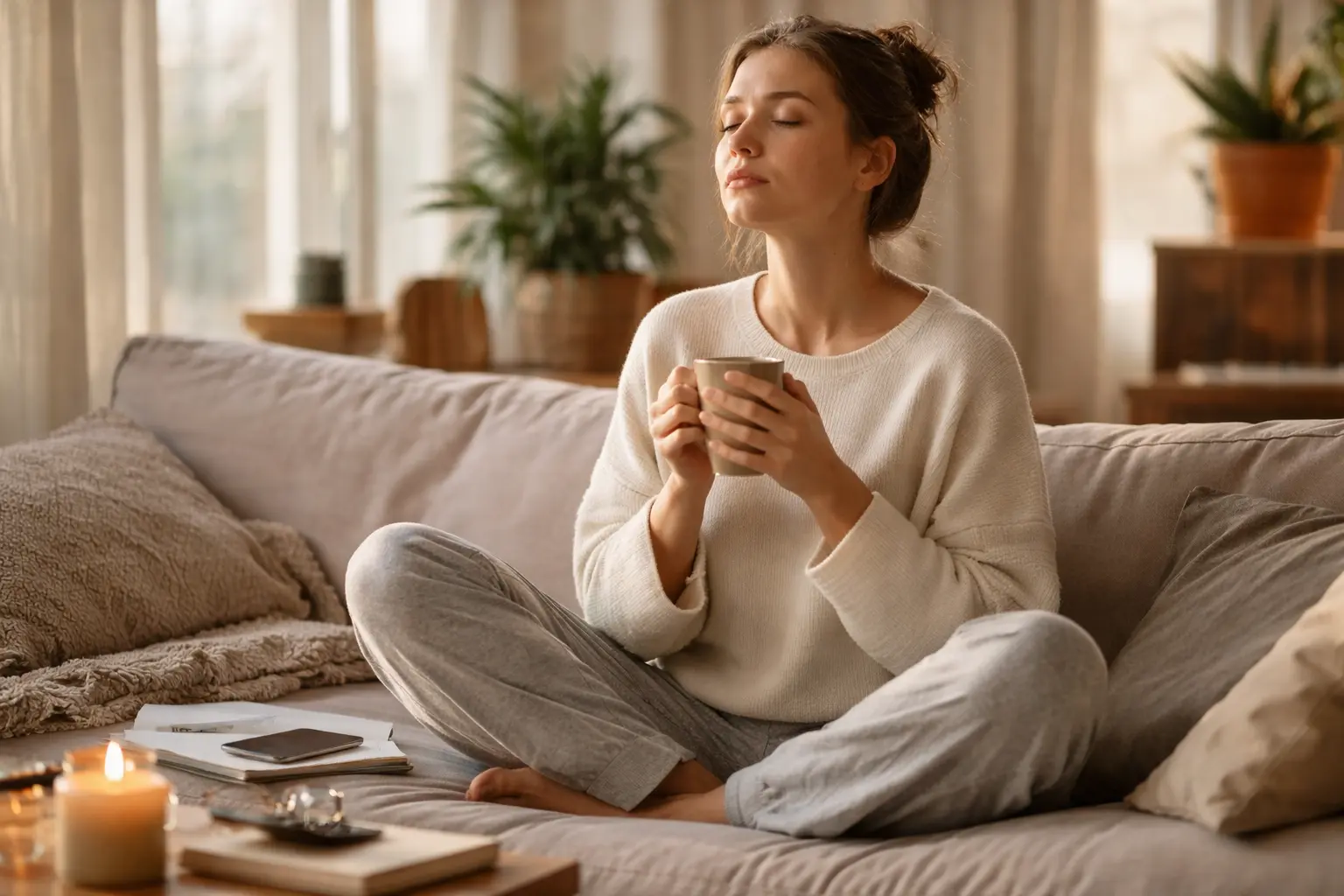
Your chest tightens, your mind races, and that nagging worry just won’t quit, no matter what you do, so here’s what actually works: daily stress reduction strategies that are backed by real science and designed specifically for how your body works now.
Understanding stress and its impact
Stress is your body’s built-in alarm system, designed to kick in when you face a challenge or threat. In the short term, this response can be helpful, sharpening your focus and giving you energy to handle difficult moments. But here’s where things get complicated: when stress becomes chronic, meaning it lingers day after day without relief, your body stays in a constant state of alert. Over time, this takes a real toll. Research shows that prolonged stress increases your risk of heart disease, can trigger or worsen depression, and weakens your immune system’s ability to fight off illness. For seniors especially, chronic stress can accelerate cognitive decline and make existing health conditions harder to manage. Think of it like leaving your car engine running at high RPM for months on end. Eventually, something breaks down. Understanding this connection between your stress levels and your physical health is the first step toward taking meaningful action.
The science behind stress reduction techniques
When you practice meditation, deep breathing, or gentle yoga, something measurable happens inside your body. These activities trigger what researchers call the relaxation response, essentially the opposite of your fight-or-flight stress reaction. During this state, your nervous system shifts from sympathetic (the accelerator) to parasympathetic (the brake) dominance. One of the most significant changes is a drop in cortisol, your primary stress hormone. Studies have shown that just 10 to 15 minutes of daily meditation can lower cortisol levels by 25 percent or more over several weeks. Beyond hormones, these techniques improve blood flow to your brain, enhance mood through increased serotonin production, and promote a genuine sense of calm and well-being. The beauty of these methods is that they’re not just feel-good activities, they’re biological interventions with measurable effects on your nervous system.
Effective strategies for seniors to reduce stress
Mindfulness meditation works by training your attention to stay in the present moment rather than dwelling on worries about the future or regrets about the past. For seniors, this might look like sitting quietly for 10 minutes, focusing on your breath, and gently redirecting your mind whenever it wanders. Light physical activities like walking or tai chi combine movement with mindfulness, giving you the stress-relief benefits of both. Tai chi, in particular, has been studied extensively in older adults and shows remarkable benefits for balance, flexibility, and mental clarity. Social connection is equally powerful, perhaps even more so for seniors who may experience isolation. Regular contact with family, friends, or community groups provides emotional support, gives you a sense of purpose, and reminds you that you’re not alone in facing life’s challenges. The combination of these three approaches, practiced consistently, creates a comprehensive stress-management system that addresses your mind, body, and social well-being all at once.
- Practice mindfulness meditation daily for at least 10 minutes, ideally at the same time each day to build a consistent habit.
- Take regular walks in nature to unwind and relax, aiming for 20 to 30 minutes several times per week.
- Join community groups or classes to socialize and reduce feelings of isolation, whether through exercise classes, book clubs, or hobby groups.
🔬 Science-backed benefits in 2 minuteschoose where to begin:
The role of diet and nutrition in stress management
What you eat directly influences how your body handles stress. A balanced diet rich in fruits, vegetables, whole grains, and lean proteins provides the nutrients your brain needs to produce neurotransmitters like serotonin and dopamine, which regulate mood and resilience. Omega-3 fatty acids found in fish, walnuts, and flaxseeds have been shown to reduce inflammation and support brain health. B vitamins help your nervous system function optimally and are often depleted during periods of stress. Conversely, excessive caffeine can amplify anxiety and jitteriness, while high sugar intake causes blood sugar spikes and crashes that leave you feeling emotionally drained. Alcohol might seem to calm you in the moment, but it disrupts sleep quality and actually increases anxiety over time. For many seniors, simply becoming more aware of these connections and making gradual dietary shifts, like swapping sugary snacks for nuts or adding more leafy greens to meals, can noticeably improve how you feel day to day.
Importance of adequate sleep for stress reduction
Sleep and stress exist in a vicious cycle: stress disrupts sleep, and poor sleep makes you more vulnerable to stress. When you sleep, your brain processes emotional experiences and consolidates memories, helping you build resilience. During deep sleep stages, your body repairs itself and resets cortisol levels. Most adults need 7 to 9 hours nightly, though individual needs vary. For seniors, sleep quality often matters more than quantity. Creating a relaxing bedtime routine signals to your body that it’s time to wind down. This might include dimming lights an hour before bed, avoiding screens, taking a warm bath, or reading something calming. Keeping your bedroom cool, dark, and quiet supports better sleep. If you find yourself lying awake worrying, try the 4-7-8 breathing technique: breathe in for 4 counts, hold for 7, exhale for 8. This activates your parasympathetic nervous system and can help you drift off more easily.
Physical activity as a stress-relief tool
Exercise is one of the most powerful stress-busters available, and the mechanism is straightforward: when you move your body, you release endorphins, your brain’s natural mood-elevating chemicals. These endorphins create a genuine sense of well-being that can last for hours after your workout. For seniors, the key is finding activities you actually enjoy, because consistency matters more than intensity. Swimming is excellent because it’s low-impact on joints while providing full-body engagement. Gardening combines gentle physical activity with the mental benefits of connecting with nature and nurturing something living. Even a 20-minute walk at a comfortable pace can significantly reduce stress hormones and improve mood. The social aspect of group exercise classes adds another layer of benefit, combining physical activity with community connection. What matters most is moving regularly in ways that feel good to your body, not pushing yourself to exhaustion or following someone else’s idea of what exercise should look like.
Stress affects your health in measurable ways, from your heart to your immune system, but you have real tools to manage it. This article walks you through the science of how meditation, breathing, and movement actually work in your body, plus practical strategies you can start today: mindfulness practices, gentle physical activity, social connection, nutritious eating, quality sleep, and regular exercise. Each of these approaches has research backing it, and together they create a comprehensive system for reducing daily stress and building lasting resilience.
Can stress reduction techniques improve my overall health?
Yes, reducing stress through techniques like meditation and exercise can have a positive impact on your mental and physical health, leading to better overall well-being. Research shows measurable improvements in heart health, immune function, mood, and cognitive clarity within weeks of consistent practice.
How long does it take to see the benefits of stress reduction strategies?
The benefits of stress reduction techniques can vary from person to person, but many individuals report feeling improvements in mood and stress levels within a few weeks of consistent practice. Some benefits, like better sleep or reduced anxiety, may appear within days, while others, like improved heart health markers, take longer to develop.
Others also read:
Disclaimer: This article is for informational purposes only and is not a substitute for professional medical advice. Always consult a healthcare professional for personal guidance.
This article has been prepared and reviewed by the GlobalHealthBeacon editorial team and is based on current medical research and published scientific literature available in 2026. It provides structured, evidence-based information to support informed health decisions.
← Back to the Main page on: daily stress reduction strategies
