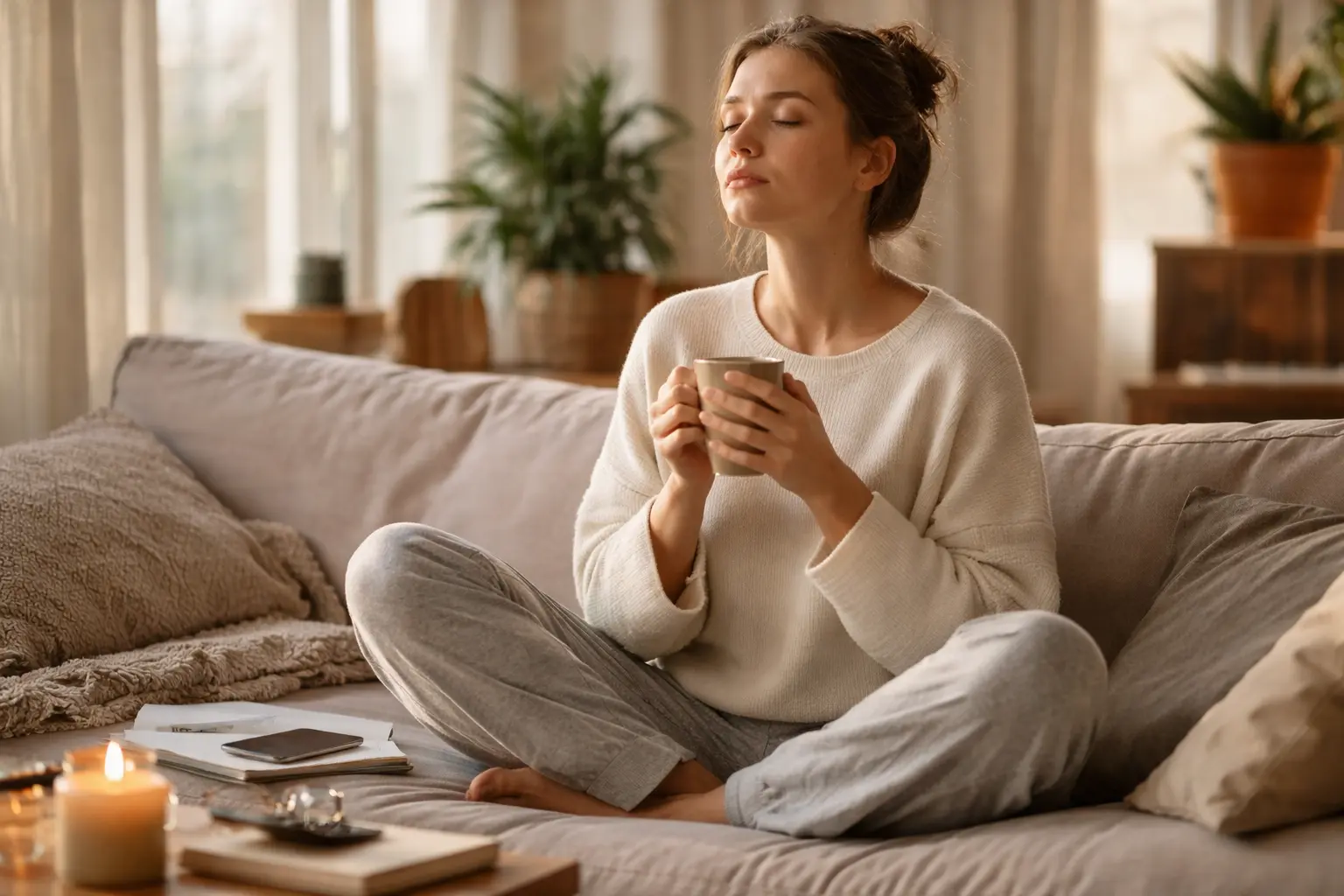
Your mind is racing at 3 AM, your shoulders are permanently tensed up, and you cannot remember the last time you felt genuinely calm, so stop searching for quick fixes and discover which daily stress reduction strategies actually work for women like you.
Mindfulness meditation
Mindfulness meditation is not about clearing your mind or achieving some perfect zen state. Instead, it is about training yourself to notice what is happening right now without judgment. Imagine sitting quietly for ten minutes and observing your thoughts like clouds passing through the sky. You notice worry about tomorrow’s meeting, then frustration about an unfinished project, but instead of getting pulled into those stories, you simply acknowledge them and return to your breath. This practice rewires how your brain responds to stress. Over time, you build distance between yourself and anxious thoughts. Research shows that consistent mindfulness practice reduces cortisol levels and activates your parasympathetic nervous system, the part responsible for calming your body. Start small. Even five minutes of focused breathing can shift your nervous system state. Find a quiet corner, close your eyes, and follow your breath in and out. When your mind wanders, gently guide it back without frustration. This is the practice itself.
- Set aside 10-15 minutes daily for mindfulness meditation
- Find a quiet space where you won’t be disturbed
- Focus on your breath and gently redirect your attention when thoughts wander
Yoga and stretching
Your body holds stress like a sponge holds water. Tension accumulates in your neck, shoulders, lower back, and jaw without you even realizing it. Yoga and stretching release that physical tension while calming your nervous system. Unlike intense cardio, yoga moves slowly and deliberately, pairing movement with breath. A simple forward fold, where you hang your head and let gravity do the work, can ease tension in your hamstrings and lower back while signaling safety to your nervous system. Restorative poses like child’s pose or legs-up-the-wall pose activate the vagus nerve, which controls your relaxation response. You do not need to be flexible or practice for years. Even ten minutes of gentle stretching each morning or evening makes a difference. Try a simple routine: neck rolls, shoulder shrugs, spinal twists, and hip openers. Hold each stretch for 30 seconds and breathe deeply. Many women find that a consistent yoga practice improves sleep quality and reduces muscle tension that accumulates from desk work or caregiving responsibilities.
📘 Fix your day in under 2 minuteschoose where to begin:
Healthy nutrition
What you eat directly affects your stress levels and emotional resilience. When you skip meals or rely on caffeine and sugar, your blood sugar crashes, triggering anxiety and mood swings. Instead, fuel your body with foods that stabilize energy and support brain chemistry. Omega-3 fatty acids from fish, walnuts, and flaxseeds reduce inflammation and support mood regulation. Complex carbohydrates like oats, brown rice, and sweet potatoes stabilize serotonin levels. Magnesium-rich foods like leafy greens, almonds, and dark chocolate calm your nervous system. A practical example: instead of grabbing a coffee and pastry for breakfast, eat eggs with whole grain toast and berries. Your energy stays stable, and your mood remains steady throughout the morning. Hydration matters too. Dehydration triggers fatigue and anxiety, so drink water consistently throughout the day. Notice how your stress levels shift when you prioritize nourishing meals over quick fixes. Many women report feeling calmer and more grounded simply by eating regular, balanced meals.
Physical activity
Exercise is one of the most powerful stress-relief tools available, yet many women feel too tired or overwhelmed to start. The truth is that movement does not need to be intense or time-consuming to work. A 20-minute walk releases endorphins, the brain’s natural mood-elevating chemicals, and gives your mind space to process emotions. Dancing to your favorite song for 10 minutes, cycling through your neighborhood, or swimming all count. The key is choosing activities you actually enjoy, not forcing yourself into workouts you hate. A woman who loves dancing will stick with a dance class far longer than she will with a gym membership she resents. Physical activity also interrupts the stress cycle by giving your body a way to process the adrenaline and cortisol flooding your system. When you feel anxious or overwhelmed, movement channels that energy productively. Start with what feels manageable. A daily 15-minute walk is more sustainable than sporadic intense workouts. Notice how your mood shifts after movement, and use that awareness to motivate consistency.
Quality sleep
Sleep is not a luxury; it is when your brain processes emotions, consolidates memories, and resets your stress response system. Without adequate sleep, you become more reactive, anxious, and emotionally fragile. Yet many women sacrifice sleep for productivity or caregiving, creating a vicious cycle where stress prevents sleep and poor sleep increases stress. Establish a bedtime routine that signals to your body that rest is coming. This might include dimming lights an hour before bed, putting your phone away, drinking herbal tea, or reading. Your bedroom should be cool, dark, and quiet. Aim for 7-9 hours nightly, though individual needs vary. If racing thoughts keep you awake, try writing down worries before bed to clear your mind. Some women find that a short body scan meditation or gentle stretching helps them transition into sleep. Notice the difference in your stress levels and emotional resilience when you prioritize sleep consistently. Many women discover that improving sleep quality reduces anxiety and improves their ability to handle daily challenges.
Effective stress relief for women involves mindfulness meditation, yoga, healthy nutrition, regular physical activity, and quality sleep. By incorporating these strategies into your daily routine, you can achieve a calmer mind and body, better equipped to handle life’s challenges.
Can stress relief methods help improve mental health?
Yes, stress relief methods like mindfulness meditation, yoga, and regular physical activity have been shown to reduce anxiety, improve mood, and enhance overall mental well-being.
How long does it take to see the benefits of stress relief strategies?
The benefits of stress relief strategies vary from person to person. Consistent practice of these methods over time may lead to noticeable improvements in mental and physical health.
Others also read:
Disclaimer: This article is for informational purposes only and is not a substitute for professional medical advice. Always consult a healthcare professional for personal guidance.
This guide has been prepared and reviewed by the GlobalHealthBeacon editorial team and reflects current medical research as of 2026. It provides structured, evidence-based information to support informed health decisions.
