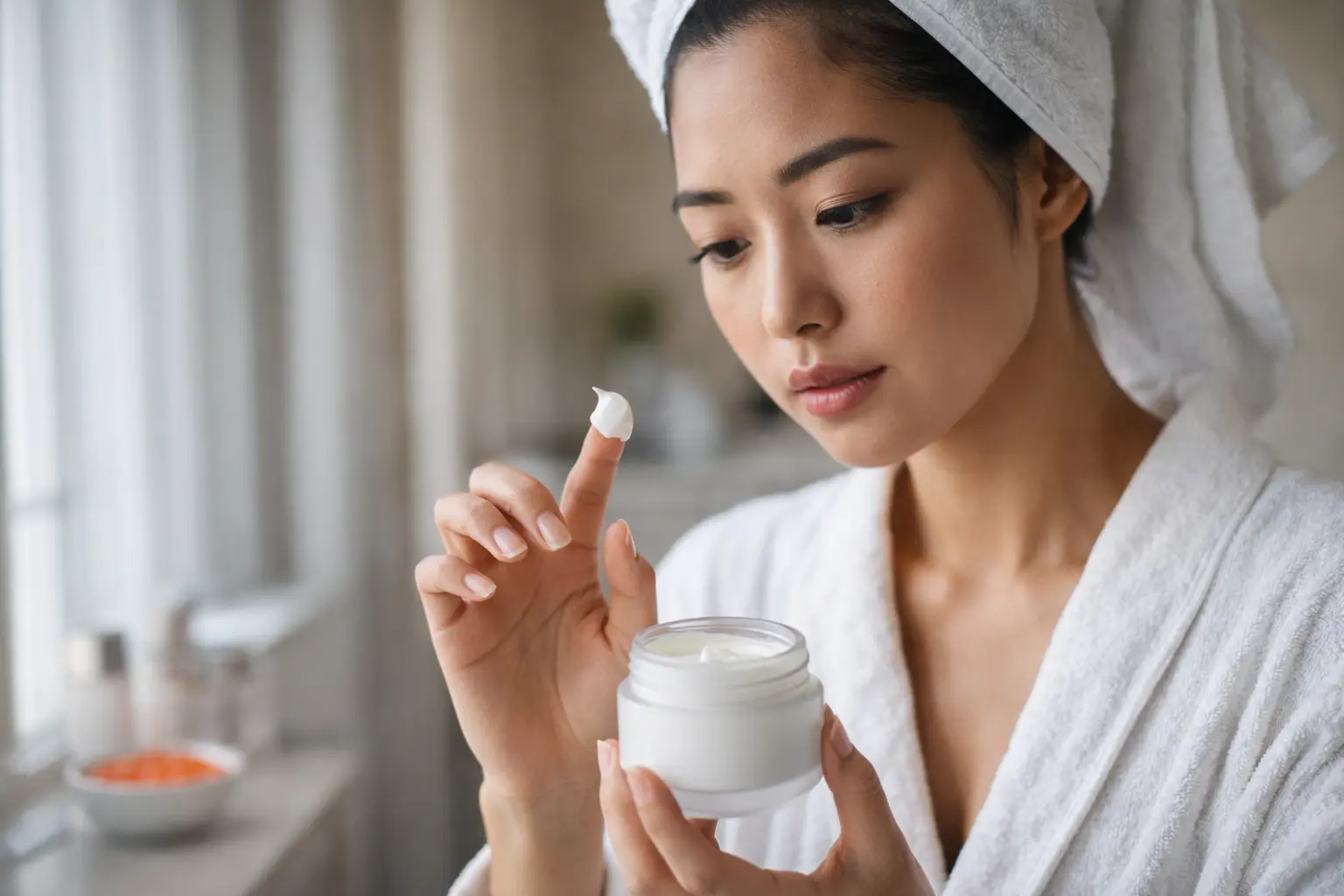
Your skin feels dull, breakouts won’t quit, and every product promise feels like a lie until you stumble onto the salmon sperm skincare trend and wonder if this weird ingredient might actually be the reset your face desperately needs.
Understanding the salmon sperm skincare trend
Salmon sperm, technically called milt, has emerged as one of the more unusual yet intriguing ingredients making waves in the skincare world. What started as a niche discovery in high-end Korean and Japanese beauty markets has gradually filtered into mainstream products available to young adults everywhere. The ingredient is packed with DNA, nucleotides, and powerful antioxidants that theoretically work at a cellular level to repair and regenerate skin. Think of it this way: if your skin cells are like a building that’s been weathered by sun, stress, and pollution, salmon sperm contains the raw materials to rebuild those walls. The trend gained momentum because young adults are increasingly skeptical of traditional skincare marketing and drawn to science-backed, unconventional solutions. Whether you first heard about it on TikTok, from a beauty influencer, or through a dermatology blog, the curiosity is real. The ingredient sounds bizarre, yes, but that’s precisely why it’s capturing attention in a saturated skincare market where everyone’s looking for the next breakthrough.
- Rich in DNA and antioxidants that support cellular repair
- May promote skin rejuvenation and cell turnover
- Increasingly used in serums, masks, and premium skincare products
How salmon sperm benefits the skin
The science behind salmon sperm skincare centers on its ability to deliver bioactive compounds directly to your skin cells. The DNA and nucleotides penetrate the outer layers and theoretically signal your skin to repair itself more efficiently, similar to how your body heals after an injury. Antioxidants in the ingredient combat free radicals, which are unstable molecules that accelerate aging and cause visible damage like wrinkles, dark spots, and loss of elasticity. Imagine your skin as a garden: free radicals are like weeds that spread damage, while the antioxidants are like herbicide that keeps them under control. Users report improvements in skin texture, a more even tone, and a subtle plumping effect that makes fine lines appear less pronounced. Some young adults notice results within two to three weeks of consistent use, though individual outcomes vary significantly based on skin type, age, and overall skincare routine. The ingredient also supports the skin barrier, which is crucial for maintaining hydration and preventing irritation from environmental stressors like pollution and harsh weather.
📘 Fix your day in under 2 minuteschoose where to begin:
Risks and precautions to consider
Before jumping into the salmon sperm skincare trend, you need to honestly assess your skin’s sensitivity and any existing allergies. Fish allergies are more common than you might think, and even if you can eat salmon without issues, applying fish-derived products to your face is a different exposure route that could trigger unexpected reactions. Patch testing is non-negotiable here: apply a small amount of the product to your inner arm or behind your ear, wait 24 to 48 hours, and watch for redness, itching, swelling, or irritation. Some young adults with sensitive or reactive skin report mild redness or temporary breakouts during the first week of use, which could be a purging effect or a sign of incompatibility. People with compromised skin barriers, active eczema, or severe acne should consult a dermatologist before introducing this ingredient. Additionally, salmon sperm products can be expensive, so it’s wise to test affordability and commitment before investing in a full routine. Quality matters too: products from reputable brands with transparent sourcing are safer than knockoffs or unregulated formulations that might contain contaminants or misleading ingredient lists.
Incorporating salmon sperm products into your routine
If you’ve done your research and decided to try salmon sperm skincare, start small and slow. Begin with one product, typically a serum or essence, and introduce it into your routine just two to three times per week for the first two weeks. This gradual approach lets your skin adapt and helps you identify whether the ingredient is genuinely working for you or causing problems. A practical example: if you use a salmon sperm serum, apply it to clean, slightly damp skin before your moisturizer, allowing it to absorb fully. Many young adults make the mistake of layering too many new products at once, which makes it impossible to pinpoint what’s actually helping or hurting their skin. Keep a simple log of how your skin looks and feels each day, noting any changes in texture, breakouts, or brightness. After four weeks of consistent use, you’ll have enough data to decide whether to continue, increase frequency, or abandon the product. Consulting a dermatologist is especially valuable if you have persistent acne, rosacea, or other skin conditions, as they can advise whether salmon sperm complements your existing treatment plan or might interfere with prescribed medications or professional treatments.
Wrapping up the salmon sperm skincare trend
The salmon sperm skincare trend represents a broader shift in how young adults approach beauty: with curiosity, skepticism, and a demand for evidence. This ingredient isn’t a miracle cure, and it won’t transform your skin overnight, but for some people, it becomes a valuable part of a comprehensive skincare strategy. The trend also highlights how innovation in skincare often comes from unexpected places, challenging the idea that effective ingredients must be familiar or conventionally appealing. Whether you decide to try it or pass, the important takeaway is that informed decision-making beats hype-driven purchasing. Your skin is unique, your needs are specific, and what works brilliantly for someone else might do nothing for you or even cause irritation. The salmon sperm skincare trend is worth exploring cautiously if you’re curious, but only after you’ve assessed your skin type, done your patch testing, and set realistic expectations. Stay grounded, stay patient, and remember that the best skincare routine is the one you’ll actually stick with long-term.
Salmon sperm skincare products are gaining attention for their DNA and antioxidant properties that may support skin rejuvenation and cellular repair. Young adults interested in this emerging trend should carefully consider potential benefits, conduct patch tests to rule out allergies, and take a slow, methodical approach to incorporation. Consulting a dermatologist ensures these products align with your skin type and existing skincare goals.
Are there any side effects associated with using salmon sperm skincare products?
While salmon sperm skincare products are generally safe for most people, individuals with fish allergies or sensitive skin should proceed with caution. Always conduct a patch test on a small area of skin before regular use. Some users experience mild redness or temporary breakouts during the first week, which may indicate a purging effect or incompatibility. If irritation persists beyond one week, discontinue use and consult a dermatologist.
Can salmon sperm skincare products be used by all skin types?
Salmon sperm skincare products may benefit various skin types, but suitability depends on individual factors like sensitivity, existing conditions, and skincare goals. Those with oily skin may prefer lightweight serums, while dry skin types might benefit from richer formulations. People with active acne, rosacea, or compromised skin barriers should consult a dermatologist before use to ensure compatibility and avoid potential complications.
Disclaimer: This article is for informational purposes only and is not a substitute for professional medical advice. Always consult a healthcare professional for personal guidance.
This guide has been prepared and reviewed by the GlobalHealthBeacon editorial team and reflects current medical research as of 2026. It provides structured, evidence-based information to support informed health decisions.
