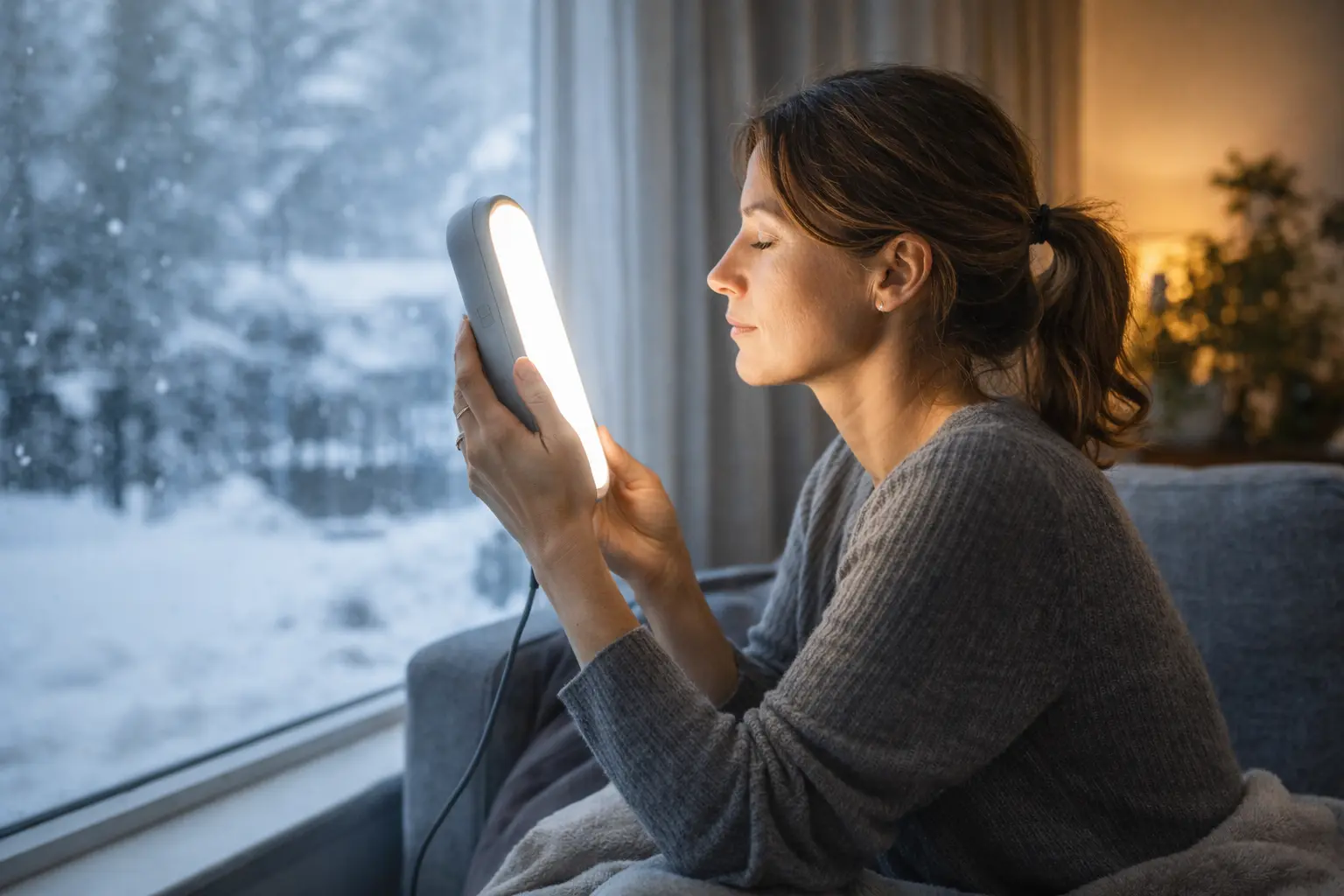
You’re exhausted, burned out, and scrolling through Instagram at 2 AM watching other women glow up at wellness retreats while you’re stuck in the same tired routine, and wellness travel health trends might actually be the reset button you desperately need.
Choosing the right destination
Selecting a destination that aligns with your wellness goals requires more than just picking a pretty location. Think about what you actually need right now. Are you seeking stress relief, physical healing, spiritual growth, or a combination? Bali attracts women looking for yoga and meditation in lush tropical settings. Costa Rica appeals to those wanting adventure mixed with wellness, like hiking through cloud forests before sunset meditation. Thailand offers affordable spa treatments and wellness retreats that let you extend your stay without breaking the bank. Consider the season carefully. Traveling during monsoon season might offer lower prices but could limit outdoor activities. Research specific retreat centers, read reviews from other women who have attended, and check what daily schedules look like. Some retreats pack every hour with activities, leaving you exhausted rather than rejuvenated. Others offer flexibility to explore independently. Look at meal plans too. If you have dietary preferences or restrictions, confirm the retreat can accommodate them before booking.
- Check if the retreat offers activities that resonate with you, such as yoga, meditation, hiking, or nutrition workshops.
- Consider the season and weather to make the most of your wellness experience.
- Research the accommodations to ensure they provide the level of comfort and tranquility you desire.
Packing essentials for wellness travel
Packing for a wellness retreat is different from regular travel because you are preparing for movement, reflection, and self-care. Start with comfortable athleisure wear that transitions from yoga class to casual meals. Bring multiple pairs because you might practice yoga twice daily and want fresh clothes. Pack light layers even if you are heading somewhere warm, as retreat centers often have air conditioning or cool evenings. A physical journal matters more than you might think. Many women find that handwriting reflections, sketching, or jotting down insights from meditation sessions deepens the experience in ways digital notes cannot replicate. A reusable water bottle keeps you hydrated and reduces plastic waste, aligning with the wellness mindset. Include sunscreen rated for daily use, not just beach days, since you might spend hours outdoors. Insect repellent prevents distractions from bug bites during meditation or outdoor activities. Pack any medications, supplements, or wellness items you rely on regularly. Retreat locations may not stock your preferred brands, and running out mid-trip disrupts your routine. Consider bringing a small portable speaker if music supports your practice.
📘 Fix your day in under 2 minuteschoose where to begin:
Mindful eating and hydration
Nourishing your body during wellness travel goes beyond eating healthy foods. It means paying attention to how different foods make you feel. Fresh fruits and vegetables provide energy and nutrients, but notice which ones leave you feeling light versus sluggish. Whole grains and lean proteins sustain you through active days. Many retreats offer plant-based or locally sourced meals that align with wellness principles. Hydration is critical, especially in warm climates or at higher altitudes. Drinking water before you feel thirsty prevents fatigue and brain fog that can mask the benefits of your retreat. Some women find that herbal teas, coconut water, or infused water with cucumber and lemon make hydration feel intentional rather than obligatory. Mindful eating means slowing down during meals, chewing thoroughly, and noticing flavors and textures. This practice aids digestion and helps you recognize when you are truly full, preventing overeating. Many retreat centers practice eating in silence or with minimal conversation, which deepens this awareness. If the retreat offers nutrition workshops, attend them. Understanding how food affects your energy, mood, and digestion gives you tools to maintain wellness after you return home.
Balancing activities and relaxation
The biggest mistake women make on wellness retreats is overscheduling. You arrive excited and sign up for every yoga class, workshop, and excursion, then feel more tired than when you started. Real wellness requires balance between stimulation and rest. Schedule activities that genuinely excite you, not everything available. If you love yoga but feel neutral about cooking classes, skip the cooking class and use that time for a massage or quiet reading. Invigorating workouts, nature walks, and meditation sessions energize you, but only if you do not exhaust yourself. Carve out unstructured time each day. Some of the most valuable moments happen when you are simply sitting by the pool, journaling in your room, or taking a solo walk without a planned destination. Listen to your body. If you wake up tired, skip the 6 AM yoga and sleep in. If you feel restless, take a hike. Your retreat should serve your needs, not follow a rigid schedule. Many women report that the quiet moments, not the scheduled activities, provided the deepest insights and most lasting sense of rejuvenation.
Reflecting and integrating learnings
The retreat ends, you return home, and within days the old patterns creep back in. This is normal, and it is preventable with intentional reflection. Before you leave, spend time journaling about what you learned. What practices made you feel best? What insights came up during meditation? What did you notice about your body, mind, or habits? Write these down specifically, not vaguely. Instead of ‘I felt peaceful,’ write ‘I felt peaceful during morning yoga when I focused on my breath for the first ten minutes.’ This specificity helps you recreate the experience at home. Identify one or two practices to maintain, not five. Attempting to do everything leads to abandoning everything. Maybe it is a daily 10-minute meditation or weekly yoga class. Maybe it is meal planning to eat more whole foods. Choose what feels sustainable. Set a reminder on your phone or calendar to practice these habits. Many women find that scheduling wellness practices like appointments makes them happen. Consider joining an online community of women from your retreat or finding local classes that match what you experienced. Continuing connection supports long-term change. Finally, give yourself grace. You will not maintain perfect wellness practices, and that is okay. The goal is progress, not perfection.
Wellness travel offers a transformative escape for women seeking balance and rejuvenation. By choosing the right destination aligned with your goals, packing thoughtfully to support your well-being, prioritizing nourishing foods and hydration, balancing active experiences with genuine rest, and intentionally reflecting on and integrating what you learned, you can embark on a journey of self-discovery that extends far beyond your return home.
How can I choose the best wellness travel destination?
When selecting a wellness travel destination, consider your wellness goals, preferred activities, the climate of the location, and the accommodations provided. Research destinations known for holistic wellness retreats and natural beauty. Read reviews from other women, check daily schedules to ensure balance between activities and rest, and confirm the retreat can meet your dietary and health needs.
What should I pack for a wellness retreat?
Pack comfortable athleisure wear, light layers, a physical journal, a reusable water bottle, sunscreen, insect repellent, and any necessary medications or supplements. Focus on items that will support your well-being and enhance your experience. Bring multiple pairs of clothes since you may practice yoga or exercise frequently, and include any wellness items you rely on regularly.
Others also read:
Disclaimer: This article is for informational purposes only and is not a substitute for professional medical advice. Always consult a healthcare professional for personal guidance.
This guide has been prepared and reviewed by the GlobalHealthBeacon editorial team and reflects current medical research as of 2026. It provides structured, evidence-based information to support informed health decisions.
