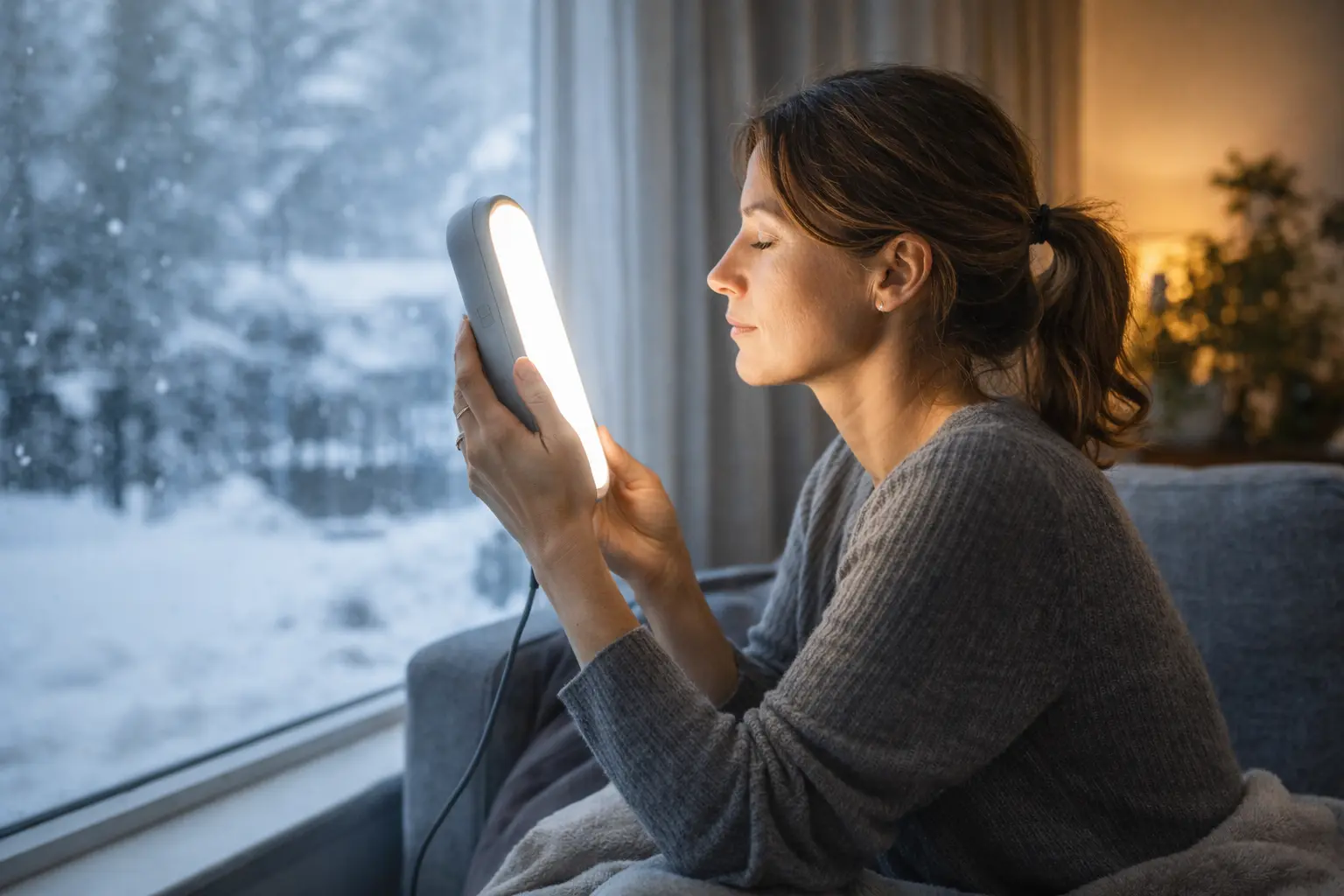
Tired of feeling stuck at home, watching your energy drain and your body ache while life passes you by? Wellness travel health trends are changing the game for seniors who refuse to settle for anything less than vibrant, rejuvenating experiences that actually work.
Choosing the right destination
Selecting the right destination is the foundation of a successful wellness journey, and it requires more thought than simply picking a place that looks nice in photos. Start by identifying what type of wellness experience resonates with you. Are you drawn to yoga and meditation retreats in mountain settings? Do you prefer coastal destinations with spa facilities and gentle water activities? Perhaps you’re interested in cultural immersion combined with wellness practices. Once you’ve narrowed down your interests, research destinations that specifically cater to older travelers. Look for places with well-maintained infrastructure, reliable healthcare facilities nearby, and accommodations designed with accessibility in mind. Consider the climate carefully, as extreme heat or cold can affect your comfort and health. A senior traveling from a cold climate might find a warm, tropical destination rejuvenating, while another might prefer mild spring or fall weather. Check online reviews from other senior travelers, contact local tourism boards for senior-specific resources, and verify that wellness facilities offer modified versions of activities suited to different fitness levels.
- Consider destinations with accessible amenities and senior-friendly accommodations.
- Research the climate and local healthcare services to ensure a safe and comfortable trip.
- Check for wellness-focused activities and facilities that cater to your specific needs.
Planning your itinerary
A well-crafted itinerary is your roadmap to a balanced wellness experience that doesn’t leave you exhausted. The key is building in flexibility and pacing yourself deliberately. Start by blocking out your days with a mix of structured activities and unscheduled downtime. For example, you might schedule a morning yoga class at 8 AM, followed by a leisurely breakfast and free time to explore the local market or rest in your room. Afternoon activities could include a guided nature walk or healthy cooking class, with evenings reserved for meditation, journaling, or simply enjoying the sunset. Avoid the temptation to pack too many activities into each day. Many seniors find that attempting to do everything leaves them tired and unable to fully appreciate any single experience. Instead, aim for quality over quantity. If you’re interested in cultural excursions, pair them with lighter days of spa treatments or quiet reflection. Consider booking activities with experienced instructors who understand senior needs and can offer modifications. Build in buffer time for rest, unexpected weather changes, or simply wanting to stay in and relax with a good book.
📘 Fix your day in under 2 minuteschoose where to begin:
Packing essentials
Packing strategically ensures you have what you need without carrying unnecessary weight that strains your back and joints. Begin with comfortable, breathable clothing in layers, since you’ll move between different environments and temperatures. Bring at least two pairs of well-broken-in walking shoes with good arch support, as new shoes can cause blisters and discomfort. Include a lightweight rain jacket and a sweater for air-conditioned spaces. Pack all necessary medications in their original labeled containers, along with copies of prescriptions and a list of your current medications to show healthcare providers if needed. Don’t forget reading glasses, sunglasses, and a wide-brimmed hat for sun protection. Include sunscreen with at least SPF 30, moisturizer for your skin type, and any personal care items you prefer. A reusable water bottle is essential for staying hydrated, especially in warm climates. Consider packing compression socks if you’re prone to swelling during travel. Include a small first-aid kit with pain relievers, antacids, and any over-the-counter medications you commonly use. Keep a portable phone charger for emergencies. Finally, pack light enough that you can comfortably carry your bag yourself, avoiding the need to ask for help with heavy luggage.
Staying mindful during travel
Mindfulness transforms travel from a stressful experience into a grounding, restorative practice that enhances your wellness journey. Begin each morning with five to ten minutes of deep breathing before you get out of bed. This simple practice calms your nervous system and sets a peaceful tone for the day ahead. During travel days or transitions between activities, use meditation apps or guided audio to stay centered. Walking meditation is particularly effective for seniors, combining gentle movement with mindfulness. As you walk through a new destination, focus on sensory details: the texture of the ground beneath your feet, the sounds around you, the colors and shapes you notice. Journaling in the evening helps process your experiences and captures moments of gratitude or reflection. Write about what you observed, how you felt, and what surprised you. This practice deepens your connection to the destination and creates a meaningful record of your journey. If you feel anxious about travel logistics or health concerns, acknowledge these feelings without judgment, then redirect your attention to the present moment. Practice gratitude for small things: a good meal, a comfortable bed, a kind interaction with a local person. These practices prevent you from getting caught in worry and help you fully inhabit each moment of your wellness experience.
Embracing self-care habits
Self-care during wellness travel goes beyond spa treatments and yoga classes. It’s about creating daily habits that honor your body’s needs and nurture your emotional well-being. Start your day with gentle stretching or a short yoga sequence tailored to your flexibility level. Even fifteen minutes of movement increases circulation, improves mood, and prepares your body for the day. Prioritize sleep by maintaining a consistent bedtime, keeping your room cool and dark, and avoiding screens an hour before bed. Nourish yourself with whole foods, staying mindful of what you eat rather than simply consuming whatever is convenient. Many wellness destinations offer cooking classes where you learn to prepare healthy meals you can recreate at home. Connect with other travelers through group activities or shared meals. These connections combat loneliness and create meaningful memories. Practice self-compassion if you have a day when you don’t feel well or want to skip activities. Wellness travel isn’t about pushing yourself harder; it’s about listening to your body and responding with kindness. Establish a simple evening routine that might include herbal tea, light reading, or a warm bath. These rituals signal to your body that it’s time to rest and recover. The habits you build during wellness travel often become sustainable practices you carry home, extending the benefits long after your journey ends.
Discover the key steps to kickstart your wellness travel journey as a senior, from choosing the right destination to embracing self-care habits along the way.
How can I find wellness travel destinations suitable for seniors?
Look for destinations with senior-friendly amenities, wellness activities, and accessible services. Research the climate and accommodations to ensure a safe and comfortable experience.
What are some essential self-care practices for seniors during wellness travel?
Seniors can benefit from self-care practices like gentle yoga, mindful walks, deep breathing, and connecting with others. These activities promote relaxation, rejuvenation, and overall well-being.
Others also read:
Disclaimer: This article is for informational purposes only and is not a substitute for professional medical advice. Always consult a healthcare professional for personal guidance.
This guide has been prepared and reviewed by the GlobalHealthBeacon editorial team and reflects current medical research as of 2026. It provides structured, evidence-based information to support informed health decisions.
