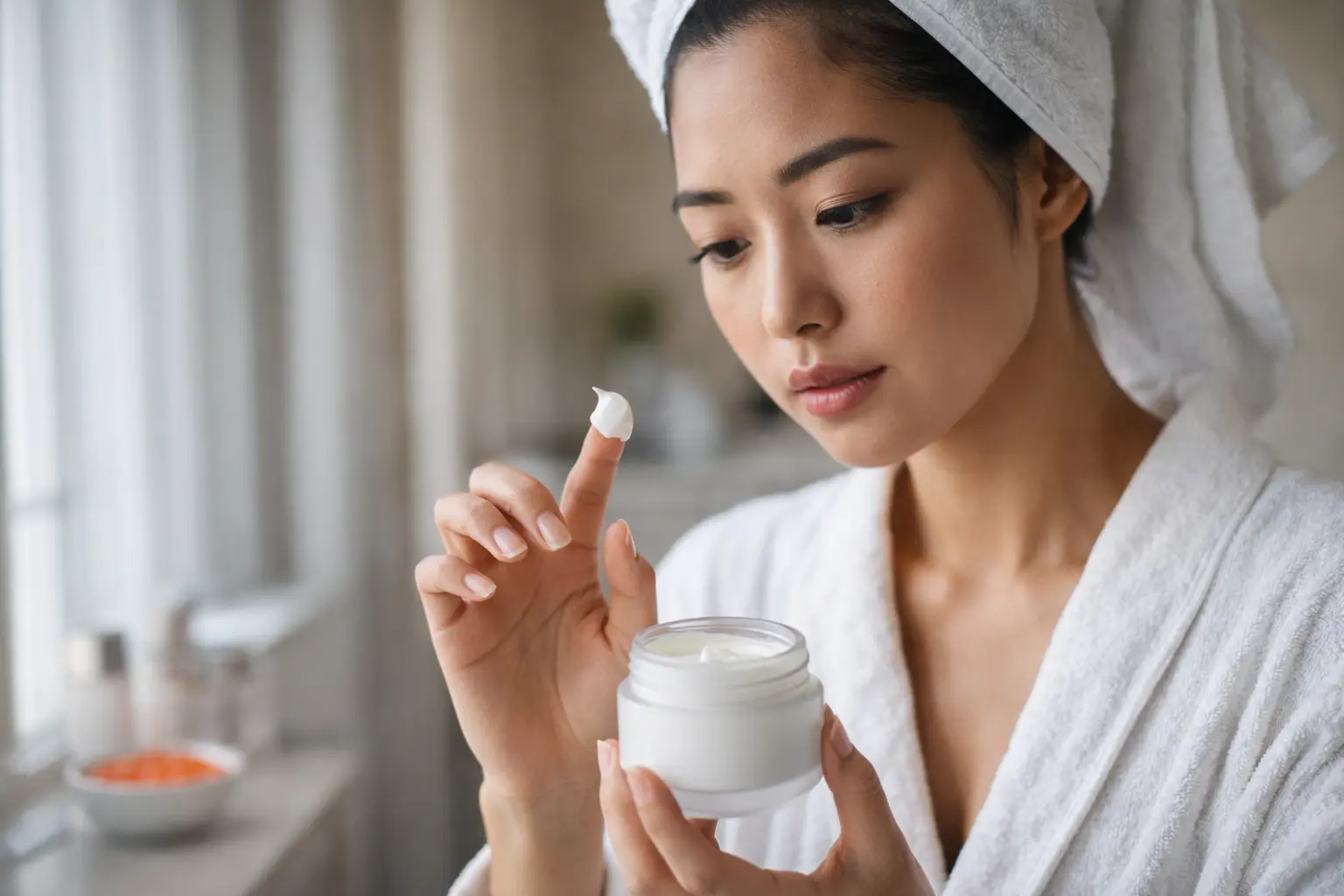
Your skin feels tight, dull, and no matter what you throw at it, nothing seems to stick – but korean skincare explained reveals why a multi-step hydration approach actually rewires how your skin drinks in moisture and stays plump.
Understanding the Korean skincare regimen
The Korean skincare routine is built on a philosophy that skin health comes from layering lightweight, hydrating products in a specific sequence rather than relying on one heavy cream. Think of it like building a foundation: you start with a gentle cleanser that removes impurities without stripping natural oils, then apply a toner that preps the skin to absorb what comes next. An essence follows, delivering concentrated hydration deep into the epidermis. Then comes serums or ampoules targeting specific concerns, followed by a moisturizer to seal everything in, and finally a sunscreen during the day or sleeping mask at night. Each step has a biological purpose. For example, a young adult dealing with hormonal breakouts might use a cleansing oil first to dissolve sebum, then a water-based cleanser to remove residue, whereas someone with dehydrated skin might skip the second cleanser and move straight to toning. The routine adapts to your skin’s actual needs rather than following a rigid formula.
Key ingredients in Korean skincare products
Korean beauty formulations rely heavily on ingredients backed by dermatological research. Hyaluronic acid is a humectant that can hold up to 1000 times its weight in water, drawing moisture from the air and deeper skin layers into the stratum corneum. Snail mucin contains glycoproteins and hyaluronic acid naturally, plus allantoin which supports skin repair. Niacinamide strengthens the skin barrier by boosting ceramide production. Peptides signal collagen synthesis to slow visible aging. Centella asiatica (cica) reduces inflammation and supports barrier recovery, making it ideal for irritated or acne-prone skin. Fermented ingredients like yeast extract increase bioavailability, meaning your skin actually absorbs more of the beneficial compounds. A young adult might notice that a product with fermented black bean extract absorbs faster and feels less sticky than a non-fermented version. Vitamin C brightens by inhibiting melanin production, though it’s unstable in water so Korean brands often use stabilized derivatives like ascorbyl glucoside.
The science behind hydration in Korean skincare
Hydration in skincare science refers to water content within skin cells, not surface moisture. The stratum corneum, your outermost skin layer, acts as a barrier that either allows water to escape or traps it inside. Korean skincare targets this barrier using three mechanisms: humectants like glycerin and hyaluronic acid that pull water in, emollients like oils and butters that smooth the barrier, and occlusives like petrolatum that seal moisture. Ceramides are lipids that naturally exist between skin cells; when depleted by harsh cleansing or environmental stress, water evaporates rapidly and skin becomes dehydrated and sensitive. A sheet mask soaked in hydrating essence works because the occlusive nature of the mask prevents water loss while active ingredients penetrate. Imagine your skin barrier as a brick wall: ceramides are the mortar holding bricks together, hyaluronic acid is water filling the spaces, and oils are the sealant on top. Young adults with combination skin often struggle because they strip oil from oily zones, damaging the barrier everywhere, then wonder why their skin overproduces sebum to compensate. Korean hydration-first approach prevents this cycle.
- Choose products with hyaluronic acid for intense hydration, but layer it on damp skin so it has water to draw from rather than pulling moisture from deeper layers.
- Incorporate sheet masks in your routine for a quick hydration boost, using them 2-3 times weekly after toning but before serums to maximize absorption.
- Consider using a sleeping mask to deeply hydrate your skin overnight, allowing occlusive ingredients like petrolatum and oils to work while you sleep without the friction of pillows disrupting the barrier.
🔬 Science-backed benefits in 2 minuteschoose where to begin:
Benefits of Korean skincare for young adults
Young adults face unique skin challenges: hormonal fluctuations, environmental pollution, screen time stress, and the lingering effects of adolescent breakouts. A hydration-focused Korean routine addresses these by strengthening the skin barrier, which reduces sensitivity and inflammation. When skin is properly hydrated, it functions optimally: sebum production normalizes, acne bacteria find a less hospitable environment, and the skin’s natural repair processes work efficiently. Many young adults report that after 4-6 weeks of consistent hydration-based routines, their skin texture improves noticeably, pores appear smaller (because they’re less clogged and inflamed), and their complexion looks more luminous. This isn’t because hydration erases aging, but because well-hydrated skin reflects light differently and cell turnover accelerates. A 24-year-old with dehydrated, acne-prone skin might see breakouts decrease not because the products kill bacteria, but because the stronger barrier prevents bacteria colonization and reduces the inflammatory response. Prevention of premature aging happens through consistent barrier support, not through aggressive treatments that many young adults mistakenly think they need.
Choosing the right Korean skincare products
Product selection starts with honest assessment of your skin type and concerns. Oily skin needs lightweight hydration like gel moisturizers and hydrating toners, not heavy creams that feel suffocating. Dry skin benefits from richer essences and sleeping masks. Sensitive skin requires fragrance-free, minimal-ingredient formulas with soothing actives like cica or centella. Combination skin often needs two routines: a lighter hydrating routine for the T-zone and a richer one for cheeks. Read ingredient lists, not just marketing claims. A product labeled hydrating should contain humectants like glycerin or hyaluronic acid listed in the first five ingredients. Avoid common mistakes like buying 10 products at once and expecting instant results, or choosing products based solely on viral TikTok trends without considering your actual skin needs. Patch test new products on your inner arm or behind your ear first, especially if you have sensitive or acne-prone skin. Start with one new product every two weeks so you can identify what actually works versus what causes irritation. Many young adults jump to expensive serums when their real issue is a missing basic moisturizer.
Maintaining consistency for effective results
Skincare results require patience because skin cells turn over every 28 days and barrier repair takes 4-6 weeks minimum. Consistency means using the same routine every single day, morning and night, without skipping steps when you’re tired or in a rush. This isn’t vanity; it’s biology. Your skin adapts to consistent input and begins functioning better. A young adult who follows a routine for three weeks then stops for a week essentially resets their skin’s progress. The most effective routine is one you’ll actually stick with, which means it shouldn’t take more than 10 minutes total or require products you can’t afford to repurchase. Track your skin’s changes with weekly photos in the same lighting, because daily observation makes you miss gradual improvements. Common mistakes include expecting results in one week, switching products constantly because you’re impatient, or over-complicating the routine with too many actives that irritate the barrier. A simple routine of cleanser, toner, essence, moisturizer, and sunscreen used consistently outperforms an elaborate 10-step routine done sporadically. Your skin is an organ responding to consistent care, not a problem requiring constant fixing.
Korean skincare explained through hydration science reveals that healthy skin comes from consistent barrier support using layered, lightweight products containing humectants, emollients, and occlusives. Key ingredients like hyaluronic acid, ceramides, and cica work synergistically to strengthen the skin barrier and improve water retention. Young adults benefit from this approach by achieving clearer, more resilient skin and preventing premature aging through prevention rather than correction. Choosing the right products requires understanding your skin type and reading ingredient lists carefully, while maintaining consistency over weeks and months allows your skin to adapt and thrive.
Can Korean skincare work for all skin types?
Korean skincare offers a wide range of products and formulation weights suitable for various skin types, including oily, dry, sensitive, and combination skin. The key is selecting appropriate textures and ingredients for your specific needs rather than assuming all Korean products work the same way. Oily skin might use gel moisturizers while dry skin uses richer creams, but both follow the same hydration-first philosophy.
Is it necessary to follow all steps of the Korean skincare routine?
You can customize the Korean skincare regimen based on your skin needs and lifestyle, but incorporating essential steps like cleansing and moisturizing is recommended for optimal results. A minimal routine of cleanser, toner, moisturizer, and sunscreen provides significant benefits. Additional steps like essences, serums, and masks enhance results but aren’t mandatory for basic skin health.
Others also read:
Disclaimer: This article is for informational purposes only and is not a substitute for professional medical advice. Always consult a healthcare professional for personal guidance.
This article has been prepared and reviewed by the GlobalHealthBeacon editorial team and is based on current medical research and published scientific literature available in 2026. It provides structured, evidence-based information to support informed health decisions.
