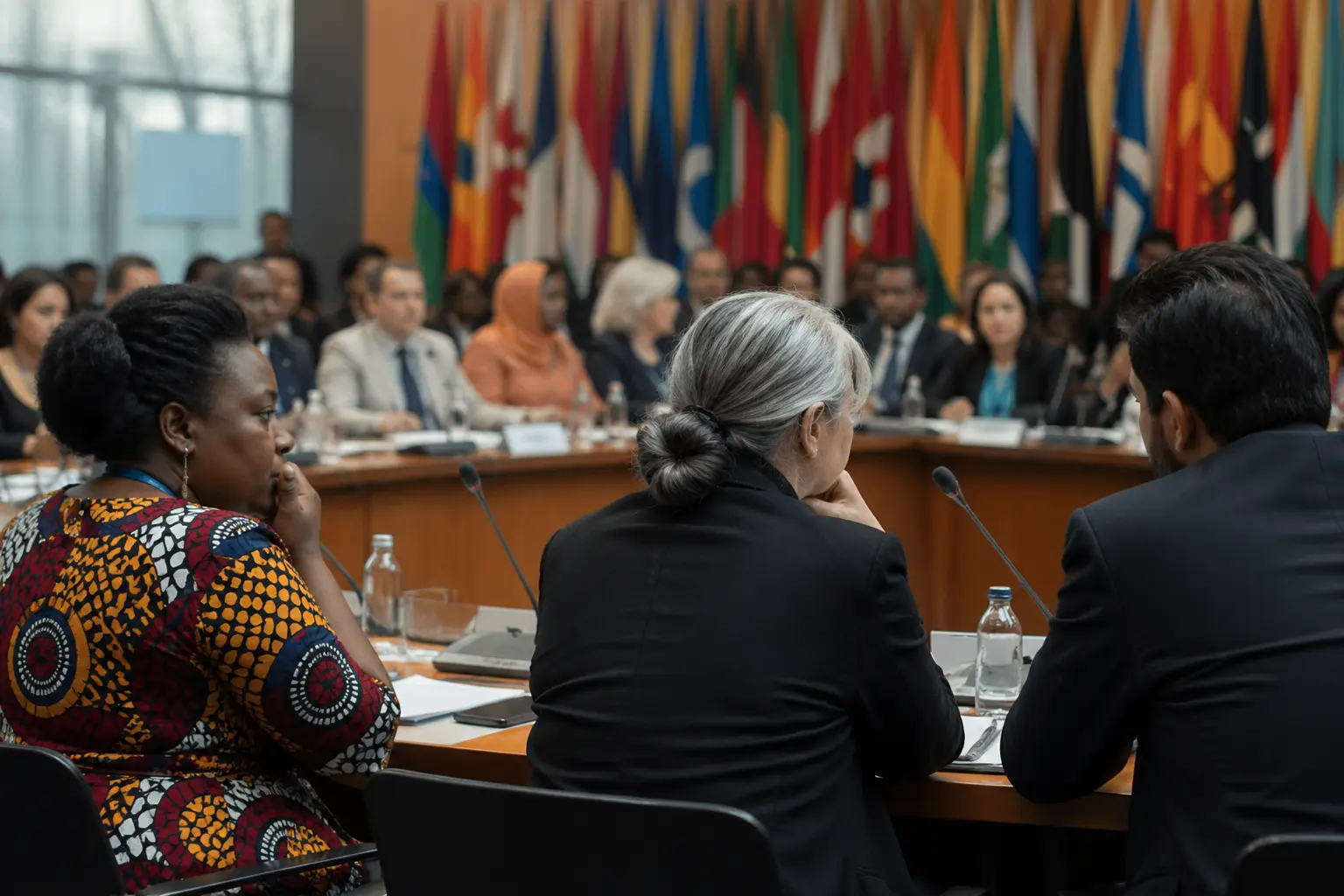
You wake up feeling like something is suffocating you, wondering why mental health support feels impossible to access, and realizing that mental health global policy priority isn’t just political jargon but the difference between suffering alone and finally getting help.
Impact of global policies on women’s mental health
Think about the last time you needed mental health support and couldn’t find it. That barrier you hit? It’s not random. Global mental health policies shape everything from whether therapists accept your insurance to whether your country funds research into conditions that disproportionately affect women. Consider Sarah, a woman in her thirties who struggled with postpartum depression but lived in a region where mental health services were underfunded due to policy gaps. Her experience wasn’t unique. Policies determine which mental health resources get prioritized, how stigma is addressed through public campaigns, and where funding flows for treatment programs. When policies neglect women’s specific needs like reproductive mental health, trauma-informed care, or culturally sensitive approaches, entire communities suffer in silence. Understanding how these top-down decisions trickle down to your local clinic or therapist’s office helps explain why access feels so unequal.
- Policies determine the availability of mental health resources tailored to women’s unique needs.
- Efforts to reduce stigma surrounding mental health conditions are impacted by global policy decisions.
- Funding distribution for mental health programs can vary based on policy frameworks.
Intersectionality: women’s diverse experiences and mental health
Your mental health doesn’t exist in isolation. Being a woman is just one part of who you are. Add in your race, your economic situation, your sexual orientation, your immigration status, or your disability, and suddenly the mental health challenges you face become completely different from someone else’s. A Black woman navigating systemic racism alongside depression experiences something distinct from a white woman with the same diagnosis. A low-income single mother’s anxiety looks different from an affluent woman’s. LGBTQ+ women face unique stressors around acceptance and safety that shape their mental health needs. Global policies often miss these layers entirely, treating women as a monolithic group when the reality is far more complex. When mental health policies ignore intersectionality, they create services that work for some women but leave others behind. This is why listening to diverse women’s stories matters so much. It reveals the gaps and pushes for policies that actually fit the real lives women are living.
💬 Ready to feel better in 2 minutes?choose where to begin:
Advocacy and empowerment: women driving change in mental health policy
Change doesn’t happen from the top down alone. Women worldwide are standing up and demanding better. They’re sharing their stories in town halls, writing to policymakers, starting grassroots organizations, and creating peer support networks that fill gaps the system left behind. Imagine a woman who survived a mental health crisis and now dedicates her time to pushing for better crisis intervention policies in her country. Or a group of immigrant women who created their own culturally sensitive mental health support because existing services didn’t understand their experiences. These aren’t just feel-good stories. They’re proof that advocacy works. When women speak up about what they need, when they refuse to stay silent about the barriers they face, policymakers listen. Women are also mentoring younger generations about mental health, normalizing therapy and treatment, and demanding that their governments prioritize mental health funding the way they prioritize other health crises. Your voice, your story, your willingness to be vulnerable and speak up contributes to this collective push for change.
Building resilience: women’s strategies for mental well-being
While we wait for policies to catch up, women are finding ways to protect and nurture their mental health right now. Resilience isn’t about ignoring the problems or pretending the system works when it doesn’t. It’s about taking concrete steps within your control. Some women lean heavily on their friendships, creating accountability partnerships where they check in on each other regularly. Others prioritize therapy, whether that’s traditional talk therapy, online counseling, or community-based support groups. Many find grounding in creative outlets like journaling, art, or movement. Some engage in advocacy itself, finding that taking action against injustice actually strengthens their mental health. There’s also the power of community care, where women show up for each other when institutions fail. Setting boundaries with draining relationships, saying no without guilt, prioritizing sleep and nutrition, and sometimes just naming what you’re going through to someone you trust. These aren’t quick fixes, but they’re real tools that women use every day to survive and thrive despite systemic challenges.
Global mental health policies shape the landscape of support available to women, influencing resource accessibility, stigma reduction efforts, and funding distributions. The intersectionality of gender with other identity markers highlights the diverse experiences of women, driving the need for inclusive policies. Women are actively advocating for policy reforms and employing resilience strategies to prioritize their mental well-being in the face of global challenges.
How do global mental health policies impact women specifically?
Global mental health policies influence the availability of tailored resources, stigma reduction efforts, and funding allocations that shape women’s access to mental health support and services.
How can women advocate for better mental health policies on a global scale?
Women can advocate for mental health policy reforms by sharing their stories, driving awareness of mental health needs, and demanding inclusive policies that address the diverse challenges faced by women worldwide.
Others also read:
Disclaimer: This article is for informational purposes only and is not a substitute for professional medical advice. Always consult a healthcare professional for personal guidance.
This article presents an experience-based perspective and has been reviewed by the GlobalHealthBeacon editorial team in 2026. It provides structured, evidence-based information to support informed health decisions.
← Back to the main mental health global policy priority page
