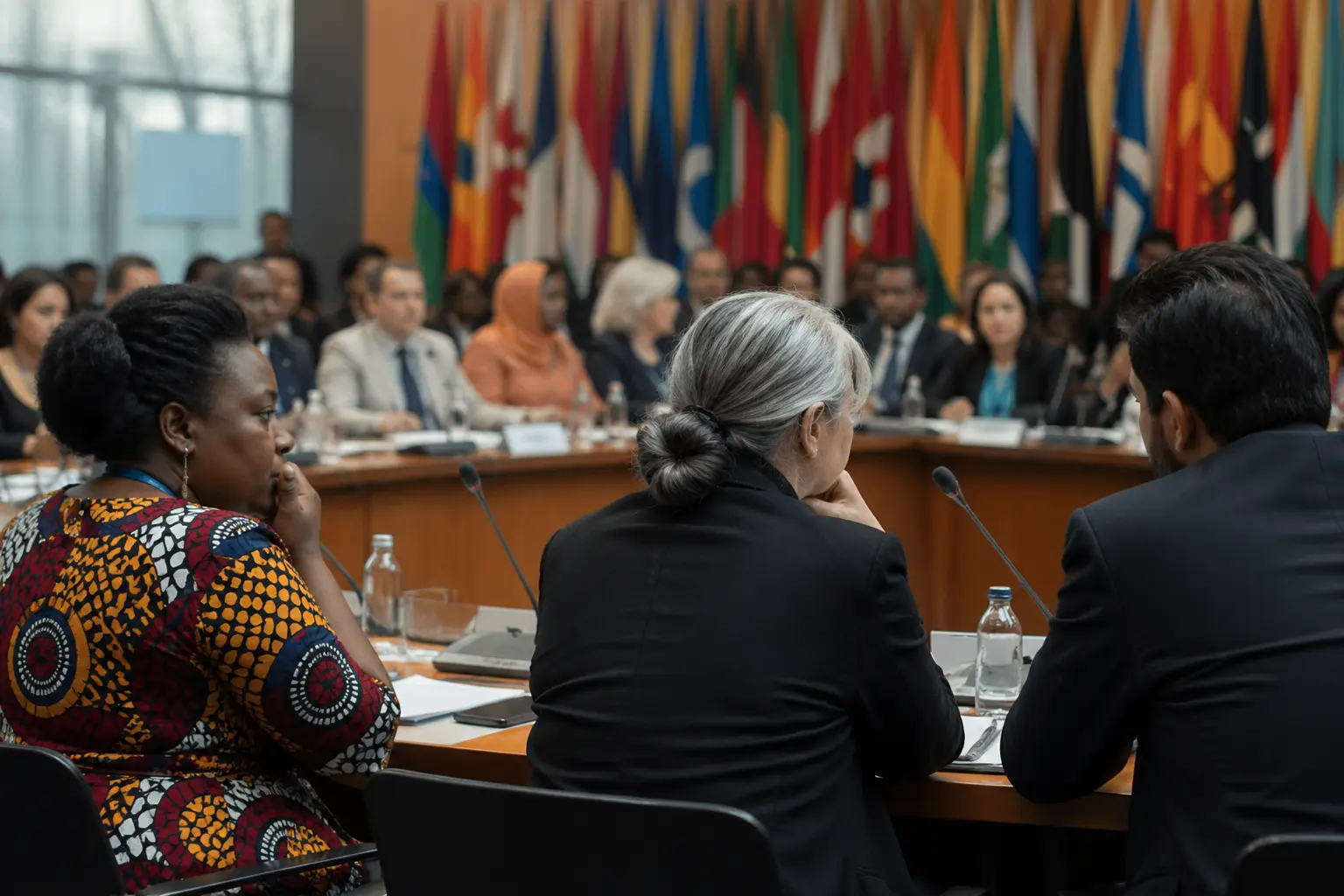
You’re drowning in anxiety, exhausted from managing everyone else’s needs, and wondering if anyone actually cares about your mental health while mental health global policy priority sits gathering dust in government offices.
Understanding the global mental health landscape
The conversation around mental health has shifted dramatically over the past decade. Governments, nonprofits, and international organizations have launched initiatives aimed at addressing depression, anxiety, and trauma on a massive scale. But here’s what matters to you: these policies often miss the specific realities women face. Consider a woman in rural India seeking depression treatment, or a single mother in the US juggling work and childcare while managing bipolar disorder. Global frameworks exist, yet local implementation remains fragmented. The World Health Organization estimates that women experience depression at nearly twice the rate of men, yet funding and resources don’t reflect this disparity. Understanding what’s actually happening on the ground versus what policies promise requires looking at real barriers: healthcare access gaps, cultural stigma that disproportionately affects women, and the way mental health services are structured around male-centered symptom presentations. You need to know where the gaps are so you can navigate them effectively.
- Explore the key components of global mental health policies and how they address gender-specific needs.
- Learn about the specific challenges women face in the mental health arena, from access barriers to cultural stigma.
- Discover the role of advocacy and awareness in shaping global mental health policies toward women-centered solutions.
Assessing impact on women’s mental health
Numbers tell a story, but they don’t always tell your story. Global mental health policies have expanded access to therapy in some regions while leaving others behind entirely. In high-income countries, women have better access to mental health services than ever before, yet depression and anxiety rates continue climbing. Why? Because availability doesn’t equal effectiveness. A woman might have access to a therapist but find that treatment protocols were designed based on male symptom presentations, missing her postpartum anxiety or the specific trauma of gender-based violence. In low and middle-income countries, the picture is even more complex. A woman in Sub-Saharan Africa might have no mental health services within 100 miles, while policies written in Geneva suggest solutions that require infrastructure that doesn’t exist. Real impact means measuring whether women actually feel better, whether they can access care without shame, and whether treatments address their lived experiences. The uncomfortable truth: many current policies improve statistics without improving lives.
📘 Fix your day in under 2 minuteschoose where to begin:
Support resources for women’s mental health
When you’re struggling, knowing where to turn matters more than any policy document. Global resources have expanded significantly, though access varies wildly by location. Crisis hotlines like the 988 Suicide and Crisis Lifeline in the US, the Samaritans in the UK, and similar services in other countries offer immediate support when you need it most. Online therapy platforms have democratized access for some women, allowing you to connect with therapists from home, though cost and internet access remain barriers for many. Support communities like Postpartum Support International specifically address women’s mental health conditions that general services often overlook. Peer support groups, both in-person and virtual, connect you with women navigating similar challenges, reducing isolation. Many organizations now offer culturally tailored resources recognizing that a woman’s background shapes her mental health needs. The key is knowing these resources exist and having permission to use them without guilt. Start by identifying what’s available in your area, then expand to online options if needed.
Evaluating policy gaps and areas for improvement
Current global mental health policies have blind spots, and recognizing them helps you advocate for better systems. One major gap: maternal mental health. Postpartum depression and perinatal anxiety affect millions of women, yet many countries lack screening protocols or specialized treatment. Another gap involves trauma-informed care, particularly for women survivors of abuse or violence. Standard mental health services often don’t account for how trauma shapes a woman’s relationship with healthcare providers. Reproductive mental health remains largely invisible in policy discussions despite its profound impact on women’s wellbeing. Access disparities based on race, ethnicity, and socioeconomic status persist despite policy statements about equity. Many policies also fail to address the intersection of women’s roles as caregivers, which creates unique mental health pressures. Additionally, medication access and affordability aren’t adequately addressed in most frameworks. The gaps aren’t accidental; they reflect whose voices shaped policy. This is why your participation matters. Identifying what’s missing in your own community and speaking up creates pressure for change.
Empowering women in mental health advocacy
Your experience with mental health challenges positions you as an expert in ways policymakers often aren’t. Advocacy doesn’t require a degree or official platform. It starts with speaking your truth in spaces where it matters. Share your story with healthcare providers, community organizations, or online platforms where others listen. Join or start support groups that advocate for specific women’s mental health issues, whether that’s postpartum mental health, menopause-related anxiety, or trauma recovery. Engage with local mental health organizations and ask them how they’re addressing women’s specific needs. Contact elected representatives about mental health funding and policy priorities. Participate in surveys and research studies that examine women’s mental health experiences, as this data shapes future policy. Connect with other women doing this work; collective voices carry more weight than isolated ones. Consider mentoring younger women navigating mental health challenges, creating informal advocacy through lived experience. The mental health global policy priority shifts when women who live these realities demand change. Your voice isn’t just valid; it’s essential.
Global mental health policies have made strides, but challenges persist for women. Understanding the current landscape, assessing the impact, leveraging support resources, identifying policy gaps, and empowering women in advocacy are crucial steps towards holistic mental health support.
How does global mental health policy affect women differently?
Global mental health policies can impact women differently due to sociocultural norms, access to resources, and varied healthcare systems. Women often experience mental health conditions like postpartum depression and trauma-related disorders that aren’t adequately addressed in standard policy frameworks. It’s essential to address these nuances to ensure equitable mental health support for women worldwide.
What role can women play in shaping global mental health policies?
Women can actively participate in mental health advocacy, share personal experiences, and engage in policy discussions to influence global mental health initiatives. Your voices are pivotal in driving positive changes in the mental health sphere. Whether through community involvement, speaking with healthcare providers, or connecting with advocacy organizations, your participation directly impacts how policies evolve.
Others also read:
Disclaimer: This article is for informational purposes only and is not a substitute for professional medical advice. Always consult a healthcare professional for personal guidance.
This guide has been prepared and reviewed by the GlobalHealthBeacon editorial team and reflects current medical research as of 2026. It provides structured, evidence-based information to support informed health decisions.
