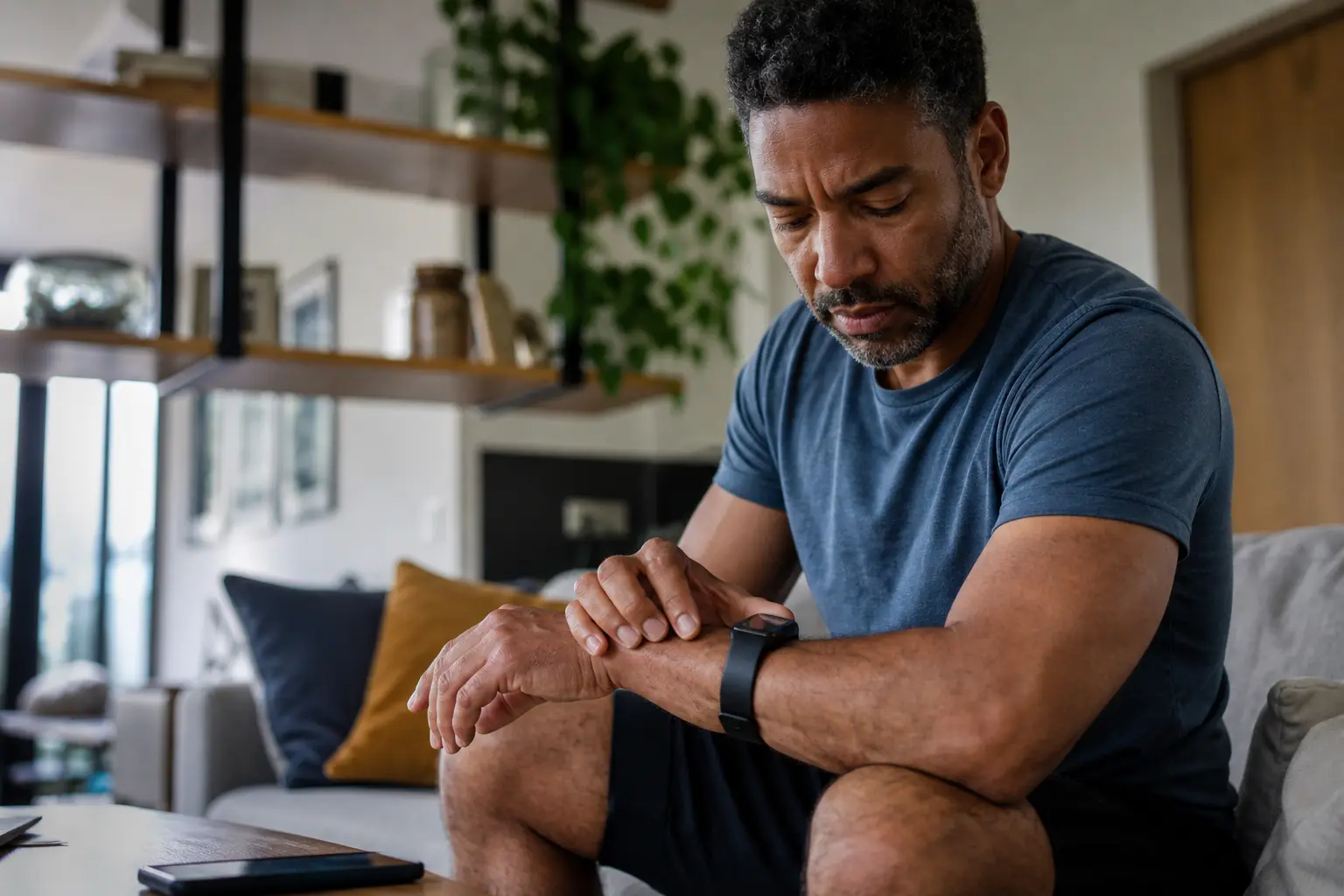
You’re drowning in notifications about your heart rate, sleep score, and step count, yet you still have no idea if any of it actually matters or if wearables preventive health accuracy is just another way tech companies are selling you peace of mind you don’t need.
Understanding the basics of wearables preventive health accuracy
Wearable devices like fitness trackers and smartwatches are designed to monitor your health metrics, such as heart rate, sleep patterns, and activity levels. They offer valuable insights into your overall well-being and can help you make informed decisions about your health. Consider Sarah, a 42-year-old woman who noticed her smartwatch flagging irregular sleep patterns. By tracking this data over three weeks, she identified that caffeine after 2 PM was disrupting her rest. This simple observation, powered by her wearable, led to a meaningful lifestyle adjustment. The devices work by collecting data through sensors that measure movement, light exposure, and sometimes skin temperature. Understanding what your device actually measures versus what it estimates is crucial. Most wearables excel at counting steps and tracking general activity, but heart rate accuracy can vary depending on fit, skin tone, and individual physiology. The key is recognizing that these devices provide trends and patterns, not clinical-grade diagnostics.
- Track vital signs like heart rate and blood pressure
- Analyze sleep quality and patterns
- Monitor daily physical activity levels
Choosing the right wearable for your health needs
When selecting a wearable device for preventive health purposes, consider factors such as accuracy, battery life, compatibility with your smartphone, and the specific health metrics you want to track. Choose a device that fits seamlessly into your lifestyle and health goals. Start by identifying what matters most to you. Are you concerned about cardiovascular health, sleep quality, stress management, or general fitness? A woman tracking hormonal cycles might prioritize devices with menstrual cycle prediction features, while someone managing blood pressure might seek devices with validated BP monitoring. Test the device before committing if possible. Wear it for a few days to assess comfort, as an uncomfortable wearable becomes a drawer ornament within weeks. Check independent reviews and clinical validation studies specific to women, as many devices are tested primarily on men and may perform differently on female bodies. Battery life matters more than you think. A device requiring daily charging creates friction in your routine, while one lasting five to seven days integrates more naturally into daily life.
📘 Fix your day in under 2 minuteschoose where to begin:
Interpreting and acting on wearable data
Understanding the data provided by your wearable device is crucial. Consult with healthcare professionals to interpret the information accurately and develop actionable steps based on the insights. Use the data to set achievable health goals and track your progress over time. Your wearable might show you sleep at 6 hours per night, but without context, that number is meaningless. Is it a decline from your baseline? Are you experiencing symptoms of fatigue? Does your schedule require more sleep? Take screenshots or export data to discuss with your doctor during check-ups. This transforms raw numbers into medical insights. When your device shows elevated resting heart rate for several days, it could signal overtraining, stress, illness, or caffeine sensitivity. Rather than panicking, use it as a signal to investigate. Keep a simple journal noting stress levels, exercise intensity, and how you feel. Over time, patterns emerge that help you understand your body’s unique responses. Avoid the trap of obsessive tracking, where every metric becomes a source of anxiety. The goal is awareness and gradual improvement, not perfection.
Maintaining accuracy and consistency with wearables
To ensure the accuracy and consistency of the data collected by your wearable device, follow manufacturer guidelines for usage, battery charging, and software updates. Regularly calibrate your device for optimal performance and reliability in tracking your health metrics. Fit matters significantly. A loose fitness tracker will undercount steps and misread heart rate. Wear it snug against your skin, but not so tight that it restricts circulation or causes discomfort. If you have darker skin tones, be aware that optical heart rate sensors may be less accurate due to how light reflects off melanin-rich skin. Some manufacturers are improving this, but it remains a known limitation worth acknowledging. Update your device software regularly, as manufacturers often release patches that improve sensor accuracy. Calibrate step counting by walking a known distance and adjusting settings if needed. For sleep tracking, ensure your device has a clear view of your wrist and isn’t covered by blankets. Keep your device clean, as dirt and sweat buildup can interfere with sensors. Store it properly when not in use, avoiding extreme temperatures that can affect battery and sensor performance.
Enhancing your preventive health routine with wearables
Integrating wearable technology into your preventive health routine can motivate you to stay active, improve your sleep habits, and make healthier lifestyle choices. Use the insights from your device to cultivate sustainable habits that support your overall well-being. Think of your wearable as a personal health coach that works 24/7 without judgment. When you see your step count trending upward over a month, that visual progress builds momentum. When sleep data shows you sleep better on nights you exercise, you have personal evidence motivating future workouts. Use your device to set realistic challenges. Instead of jumping from 5,000 steps to 10,000 overnight, increase gradually by 500 steps per week. This approach builds sustainable habits rather than creating burnout. Share data with accountability partners if that motivates you, or keep it private if you prefer. Some women find community challenges energizing, while others find them stressful. Honor your preference. Link your wearable insights to other health behaviors. If your device shows poor sleep, examine your evening routine. If activity is low, identify barriers and problem-solve. Your wearable is a tool for self-awareness, not a judge of your worth.
Wearable devices provide valuable insights into your health metrics, helping you make informed decisions about your well-being. By understanding the basics, choosing the right device, interpreting data accurately, maintaining consistency, and enhancing your health routine, you can harness the real impact of wearables preventive health accuracy.
How accurate are wearable devices for health monitoring?
Wearable devices have shown promising accuracy in monitoring health metrics like heart rate, sleep patterns, and physical activity levels. However, occasional discrepancies may occur, emphasizing the importance of understanding device limitations and consulting healthcare professionals for accurate interpretation.
Can wearable devices replace regular health check-ups?
While wearable devices offer valuable insights into your health, they should not substitute regular check-ups with healthcare providers. These devices complement preventive health routines and provide additional monitoring, but professional medical advice and assessments are still essential.
Others also read:
Disclaimer: This article is for informational purposes only and is not a substitute for professional medical advice. Always consult a healthcare professional for personal guidance.
This guide has been prepared and reviewed by the GlobalHealthBeacon editorial team and reflects current medical research as of 2026. It provides structured, evidence-based information to support informed health decisions.
