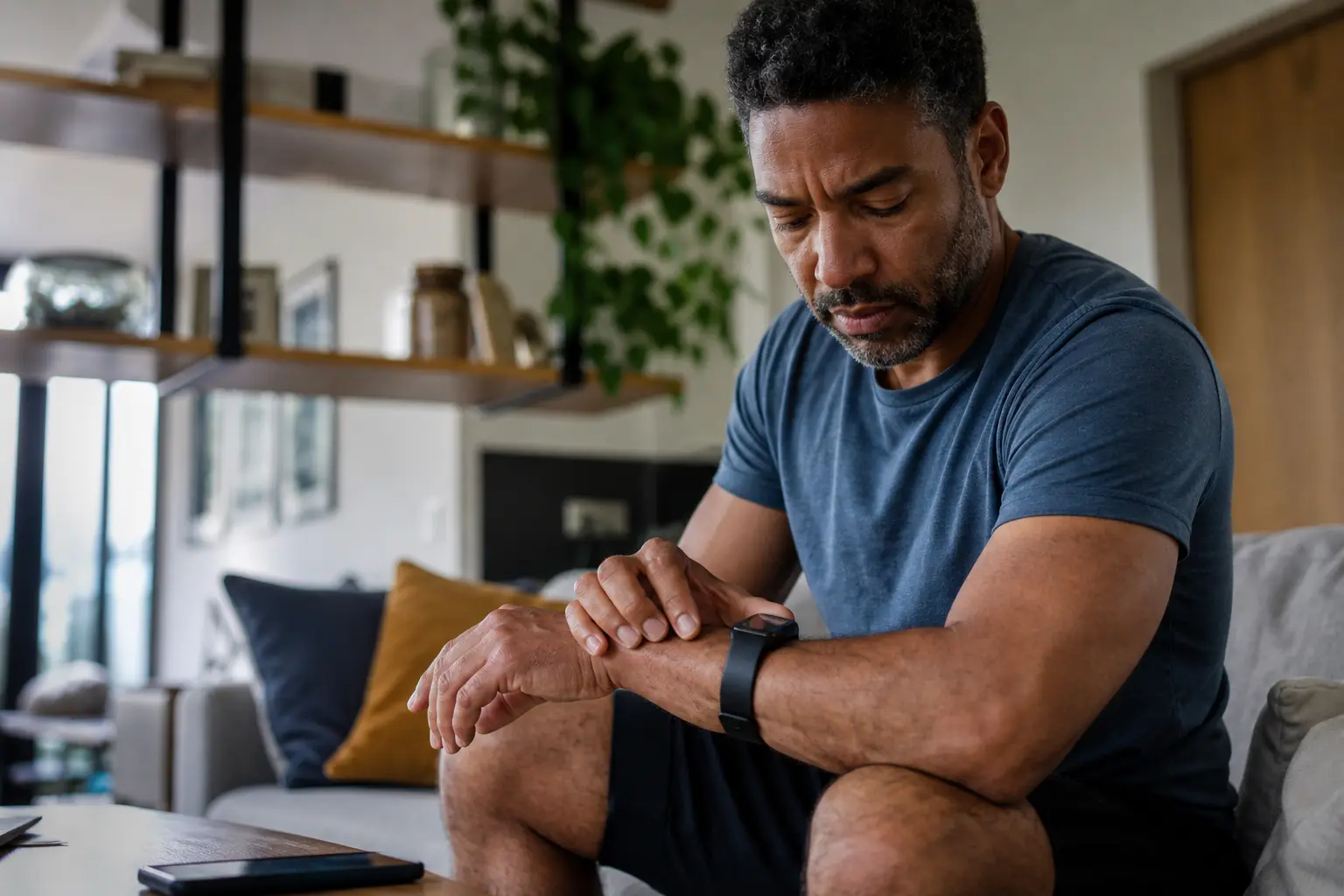
You strap on a fitness tracker, check your heart rate, and wonder if that number actually means anything or if you just spent money on a glorified watch that’s feeding you garbage data.
Understanding wearables in preventive health
Wearable devices track everything from your heart rate and sleep quality to daily steps and blood oxygen levels. They sound impressive on paper, but here’s what you need to know: not all wearables are created equal, and accuracy varies significantly depending on the device, how you wear it, and your individual physiology. Think of a smartwatch like a helpful assistant that’s learning about you over time. When you first start using one, it needs a few days to establish your baseline. Your resting heart rate, typical sleep patterns, and normal activity levels become the reference point for everything else the device measures. The challenge is that factors like skin tone, tattoos, how tightly you wear the device, and even your skin temperature can throw off readings. A device that works perfectly for one person might be less accurate for another. This is why healthcare providers often recommend using wearables as a trend-tracking tool rather than a source of absolute truth. You’re looking for patterns and changes over weeks or months, not obsessing over whether your heart rate is exactly 72 or 75 beats per minute.
- Regular calibration is necessary for accurate readings.
- Factors like skin pigmentation and device placement can affect accuracy.
- Consult with a healthcare provider to interpret the data effectively.
Choosing the right wearable device
Walking into the wearables market can feel overwhelming. There are dozens of options, each claiming to be the best for your health. Start by asking yourself what you actually need to track. Are you concerned about irregular heartbeats? Do you want to monitor sleep because you’re exhausted during the day? Is staying active your main goal? Once you identify your primary health concern, look for devices that have been validated for that specific metric. A device validated for step counting might not be reliable for heart rate variability. Check independent reviews and clinical studies, not just marketing materials. Look for devices with user-friendly interfaces because if it’s too complicated, you won’t use it consistently. Battery life matters more than you might think. A device that needs charging every day becomes a chore, while one that lasts a week or longer fits naturally into your routine. Consider water resistance if you shower or swim regularly. Finally, think about comfort. You’ll be wearing this device for hours daily, so it needs to feel good on your wrist or wherever you place it. Test it in-store if possible, or buy from retailers with good return policies.
📘 Fix your day in under 2 minuteschoose where to begin:
Interpreting wearable data for older adults
Raw data from a wearable means nothing without context. Your device might tell you that you slept six hours, but is that good or bad for you? That depends on your age, health conditions, lifestyle, and what your normal sleep looks like. Start by establishing your personal baseline. Wear your device for two weeks without changing anything about your routine. Note your typical heart rate, sleep duration, steps, and any other metrics that matter to you. This becomes your reference point. Once you have a baseline, you can spot meaningful changes. If your resting heart rate suddenly jumps from 65 to 85 beats per minute, that’s worth investigating. It could mean stress, illness, or that you need to adjust your device. If your sleep drops from seven hours to five hours consistently, your body might be telling you something. The key is recognizing trends, not individual data points. One night of poor sleep doesn’t mean anything. Two weeks of consistently poor sleep suggests a real issue. Keep a simple log alongside your wearable data. Note when you felt sick, stressed, exercised hard, or slept poorly. When you see your healthcare provider, bring this log along with your wearable data. Together, you can determine whether the patterns your device is showing align with your actual health status.
Benefits of wearables in preventive health
The real power of wearables lies in motivation and awareness. Seeing your daily step count can inspire you to take the stairs instead of the elevator. Watching your sleep improve after you establish a bedtime routine gives you concrete evidence that your efforts work. This feedback loop is powerful for older adults who want to stay independent and healthy. Wearables can catch subtle changes that might otherwise go unnoticed. A gradual increase in resting heart rate over weeks might signal that you’re overtraining or developing an infection. A pattern of restless nights might point to sleep apnea or anxiety that needs attention. These early signals give you and your doctor a chance to intervene before a small problem becomes a big one. Wearables also encourage consistency. When you can see your activity streak or your sleep quality improving, you’re more likely to keep going. This is especially valuable for older adults managing chronic conditions like diabetes or heart disease, where small daily habits compound into major health improvements over time. The device becomes your personal health coach, reminding you that every step counts and every good night of sleep matters.
Ensuring accuracy and reliability
To get the most accurate data from your wearable, treat it like any other piece of equipment that needs care. Keep your device clean. Sweat, dirt, and dead skin cells can interfere with sensors, especially those that measure heart rate or blood oxygen. Wipe it down daily and give it a proper cleaning weekly. Wear it consistently in the same location. If you switch between wrists or move it to your ankle, your readings will change, making it hard to spot real trends. Software updates matter more than you might think. Manufacturers regularly release updates that improve sensor accuracy and fix bugs. Check for updates monthly and install them promptly. Pay attention to how you wear the device. For heart rate monitors, the device should sit snugly on your wrist, about an inch above your wrist bone. Too loose and it won’t read properly. Too tight and it becomes uncomfortable. If you notice readings that seem wildly off, recalibrate. Most devices have a calibration feature in their app. Walk at a known pace for a few minutes while the device records, and it learns to adjust its step counting. Finally, remember that wearables are tools, not replacements for medical judgment. If your wearable shows something concerning, don’t panic and don’t ignore it. Bring it to your doctor’s attention and let them decide whether further investigation is needed.
Wearable devices can be valuable tools for older adults in preventive health by providing real-time data on key health metrics. However, it is essential to understand the limitations, interpret the data accurately, and choose devices that align with individual health goals.
Are wearables accurate for older adults with chronic conditions?
While wearables can provide valuable data, their accuracy may vary for individuals with specific health conditions. Consult with your healthcare provider to determine the suitability of wearables for tracking your health.
Can wearables replace regular medical check-ups for seniors?
Wearables are complementary tools to regular medical check-ups but should not replace professional healthcare assessments. It’s essential to continue scheduled visits with healthcare providers for a comprehensive evaluation of your health.
Others also read:
Disclaimer: This article is for informational purposes only and is not a substitute for professional medical advice. Always consult a healthcare professional for personal guidance.
This guide has been prepared and reviewed by the GlobalHealthBeacon editorial team and reflects current medical research as of 2026. It provides structured, evidence-based information to support informed health decisions.
