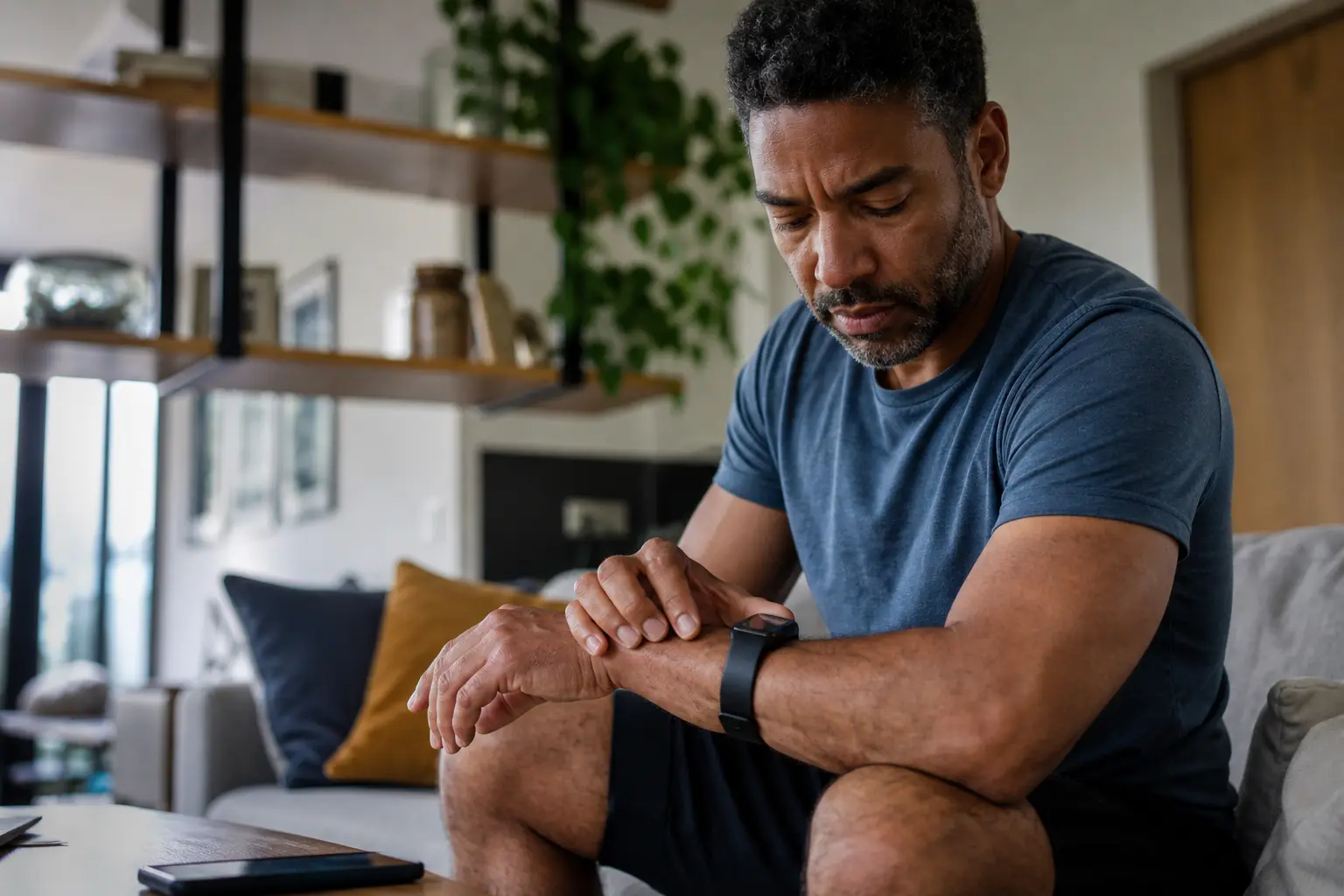
You wake up exhausted again, wondering if your heart’s really okay, if you’re sleeping enough, if those headaches mean something serious, and a smartwatch finally gives you the actual data to stop guessing and start understanding how wearables preventive health accuracy can actually change what you know about your body.
How wearables track your health in real-time
Wearables like smartwatches and fitness trackers are revolutionizing preventive health by providing real-time data on your vitals, activity levels, and sleep patterns. These devices give you insights into your body that were once only available in medical settings. Imagine noticing your resting heart rate has climbed five beats higher than usual, or seeing that your oxygen levels dip during certain activities. One woman discovered through her tracker that her sleep quality tanked every time she had caffeine after 2 PM, something she never would have connected otherwise. Another realized her heart rate spiked during specific work meetings, revealing stress patterns she could then address. These devices monitor heart rate, blood pressure, and oxygen levels continuously throughout your day and night, track steps, calories burned, and active minutes to show you where your movement really stands, and analyze sleep quality and patterns to help you understand why some nights leave you refreshed while others leave you dragging.
- Monitor heart rate, blood pressure, and oxygen levels continuously
- Track steps, calories burned, and active minutes throughout the day
- Analyze sleep quality and patterns to improve restfulness
The impact of wearables on lifestyle choices
With wearables, women are empowered to make informed decisions about their health in ways that feel personal and immediate. Seeing your progress and patterns motivates you to stay active, eat healthier, and prioritize sleep because the data becomes undeniable proof of cause and effect. These devices act as constant reminders to prioritize self-care without judgment. One woman shared how watching her step count climb week after week gave her the confidence to sign up for a 5K she never thought she could finish. Another described the shift from thinking she slept enough to actually seeing her sleep debt accumulate and finally understanding why she felt foggy. When you can see that skipping your evening walk correlates with restless sleep, or that drinking more water improves your energy levels, you stop relying on guesswork and start making choices based on your own body’s feedback.
💬 Ready to feel better in 2 minutes?choose where to begin:
Wearables and preventive health maintenance
Regular use of wearables encourages proactive health interventions before small issues become big problems. By detecting subtle changes early, you can seek medical attention promptly, preventing potential health issues before they escalate. Women find peace of mind in knowing that they are actively monitoring their well-being rather than waiting for symptoms to appear. Consider a woman who noticed her heart rate variability dropping steadily over two weeks and brought this data to her doctor, who discovered early signs of stress-related hypertension that could be managed before medication became necessary. Another tracked irregular heart rhythms that appeared sporadically and shared the detailed logs with her cardiologist, leading to a diagnosis she might have missed without the continuous data. This proactive approach transforms you from a passive patient into an active participant in your own health story, catching the whispers before they become shouts.
The emotional connection to wearable data
Women share stories of feeling more in tune with their bodies through wearable data in ways that go beyond numbers on a screen. The emotional impact of seeing improvements in health metrics boosts confidence and fosters a sense of control over personal wellness that many describe as genuinely empowering. Realizing the positive outcomes of preventive care fuels a motivation to continue healthy habits because you have proof that your efforts matter. One woman described the moment she hit her activity goal for the first time in years and how that small victory sparked a complete mindset shift about what her body could do. Another talked about finally understanding her body’s rhythms and feeling less like she was fighting against herself and more like she was working with herself. When you can see your own data improve, when you hold tangible evidence that your choices create real change, something shifts emotionally. You stop feeling helpless about your health and start feeling like you actually have agency.
Wearables offer women a personalized approach to preventive care, empowering them to make informed decisions and track their health proactively. By monitoring vital signs, activity levels, and sleep patterns, women can stay ahead of potential health issues and feel more connected to their well-being.
Can wearables accurately measure vital signs?
Yes, wearables utilize advanced sensors to provide accurate readings of heart rate, blood pressure, and oxygen levels in real-time.
How can wearables improve preventive health maintenance?
Wearables help women detect subtle changes early, allowing for timely interventions and preventive measures to maintain overall health.
Others also read:
Disclaimer: This article is for informational purposes only and is not a substitute for professional medical advice. Always consult a healthcare professional for personal guidance.
This article presents an experience-based perspective and has been reviewed by the GlobalHealthBeacon editorial team in 2026. It provides structured, evidence-based information to support informed health decisions.
← Back to the main wearables preventive health accuracy page
