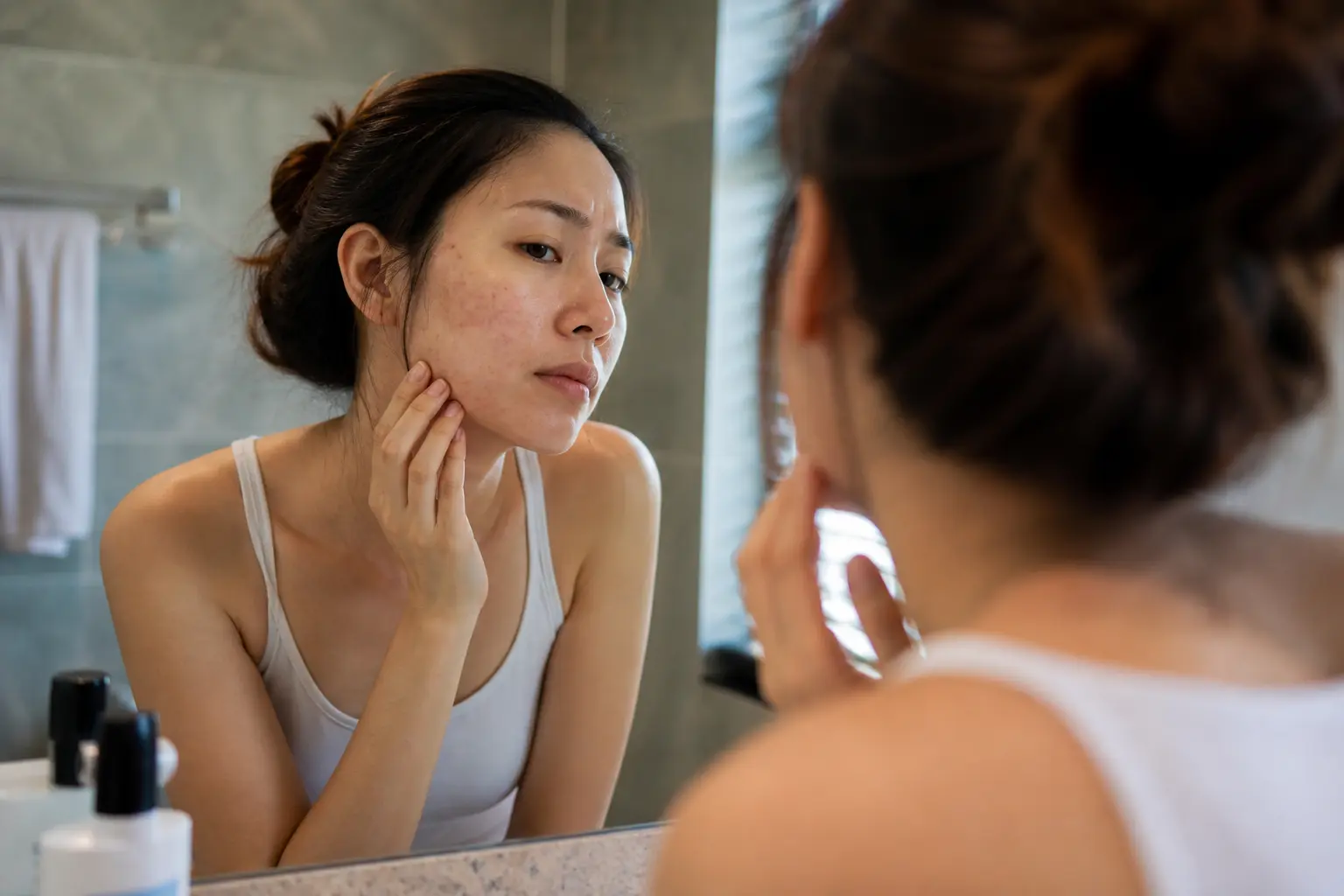
Your skin keeps breaking out no matter what you do, and your stomach feels constantly off – welcome to the gut health skin connection reality that nobody warns you about.
Understanding the gut-skin connection
The relationship between your gut and skin is far more direct than most people realize. Think of your gut as a gatekeeper. When the balance of bacteria in your digestive system gets disrupted, it triggers inflammation that travels through your body and shows up on your face. A young adult might notice this pattern: they eat poorly for a week, their digestion feels sluggish, and suddenly breakouts appear. This is not coincidence. Your gut microbiome produces neurotransmitters and influences your immune system. When harmful bacteria outnumber beneficial ones, your intestinal barrier weakens, allowing toxins to leak into your bloodstream. Your skin responds by becoming inflamed, oily, or developing acne. Conversely, a balanced gut creates an environment where beneficial bacteria thrive, reducing inflammation system-wide and allowing your skin to heal naturally. Understanding this connection means recognizing that clear skin starts from the inside.
- Consuming probiotics can promote gut health and improve skin condition.
- Eating a balanced diet rich in fiber can support a healthy gut microbiome and skin health.
- Stay hydrated as it helps flush out toxins, benefiting both gut and skin health.
Foods to enhance gut health and skin
Your diet is the most powerful tool you have. Start by adding fermented foods like yogurt, kefir, sauerkraut, and kimchi to your meals. These contain live cultures that repopulate your gut with beneficial bacteria. A practical approach: add a small serving of fermented food to lunch or dinner three times weekly, then gradually increase. Pair these with fiber-rich foods like oats, beans, sweet potatoes, and whole grains that feed your good bacteria and keep your digestive system moving. Include antioxidant-rich foods such as blueberries, spinach, kale, and dark chocolate, which fight inflammation and support skin repair. Omega-3 fatty acids from salmon, flaxseeds, and walnuts reduce inflammation both internally and visibly on your skin. A young adult might structure their day like this: oatmeal with berries for breakfast, a salad with fermented vegetables for lunch, and grilled salmon with sweet potato for dinner. Within weeks, many notice clearer skin and better digestion.
📘 Fix your day in under 2 minuteschoose where to begin:
Best practices for a healthy gut and skin
Beyond food, lifestyle habits shape your gut health dramatically. Chronic stress directly damages your gut lining by increasing cortisol, which triggers inflammation and skin flare-ups. If you are stressed, your skin often suffers first. Implement stress management through daily practices: ten minutes of meditation, journaling, or even a walk outside can lower cortisol levels. Regular exercise supports digestion, increases blood flow to your skin, and reduces stress simultaneously. Aim for at least 150 minutes of moderate activity weekly, whether that is running, cycling, yoga, or strength training. Sleep quality matters enormously; poor sleep disrupts your gut bacteria balance and impairs skin repair processes that happen overnight. Aim for seven to nine hours nightly. Additionally, limit alcohol and caffeine, which can irritate your gut lining and trigger skin reactions. A realistic routine might include a 30-minute workout three times weekly, consistent sleep times, and one stress-relief activity daily.
Skincare habits for a healthy complexion
While internal health is foundational, your external skincare routine protects and supports your skin barrier. Choose gentle, fragrance-free cleansers that do not strip your skin of natural oils. Avoid over-washing, which disrupts your skin microbiome and causes more breakouts. Most young adults benefit from cleansing twice daily, not more. Use non-comedogenic products that do not clog pores, and look for ingredients like niacinamide or hyaluronic acid that strengthen your barrier. A common mistake is using harsh acne treatments that damage your skin while your gut is still inflamed. Instead, use a gentle approach: cleanse, apply a lightweight moisturizer, and use sunscreen daily. If you have active acne, a targeted spot treatment with salicylic acid or benzoyl peroxide can help, but do not overuse it. As your gut heals and inflammation decreases, your skin will respond positively to this gentler routine.
Consulting a professional for gut and skin issues
If you have tried dietary changes and lifestyle adjustments for six to eight weeks without improvement, seek professional guidance. A dermatologist can rule out conditions like rosacea or eczema that require specific treatment. A gastroenterologist or functional medicine doctor can test for food intolerances, bacterial imbalances, or leaky gut syndrome using stool analysis or elimination diets. Many young adults discover they have undiagnosed sensitivities to gluten, dairy, or processed foods that were driving their skin issues all along. A professional can also recommend targeted supplements like L-glutamine or specific probiotic strains suited to your needs. Do not self-diagnose or rely solely on internet advice. Personalized recommendations based on your health history and test results yield far better results than generic approaches. Your healthcare provider becomes your partner in understanding why your gut and skin are struggling and how to fix it sustainably.
Understanding the profound link between gut health and skin is essential. By adopting a diet rich in probiotics and fiber, managing stress, and following a proper skincare routine, you can promote a healthy gut and glowing skin naturally.
Can gut health affect skin appearance?
Yes, imbalances in the gut can lead to skin issues such as acne, eczema, or dull complexion. Eating a balanced diet and promoting gut health can improve skin appearance.
How can I improve my gut health naturally?
You can enhance gut health naturally by consuming probiotic-rich foods, following a balanced diet high in fiber, staying hydrated, managing stress, and maintaining a regular exercise routine.
Disclaimer: This article is for informational purposes only and is not a substitute for professional medical advice. Always consult a healthcare professional for personal guidance.
This guide has been prepared and reviewed by the GlobalHealthBeacon editorial team and reflects current medical research as of 2026. It provides structured, evidence-based information to support informed health decisions.
