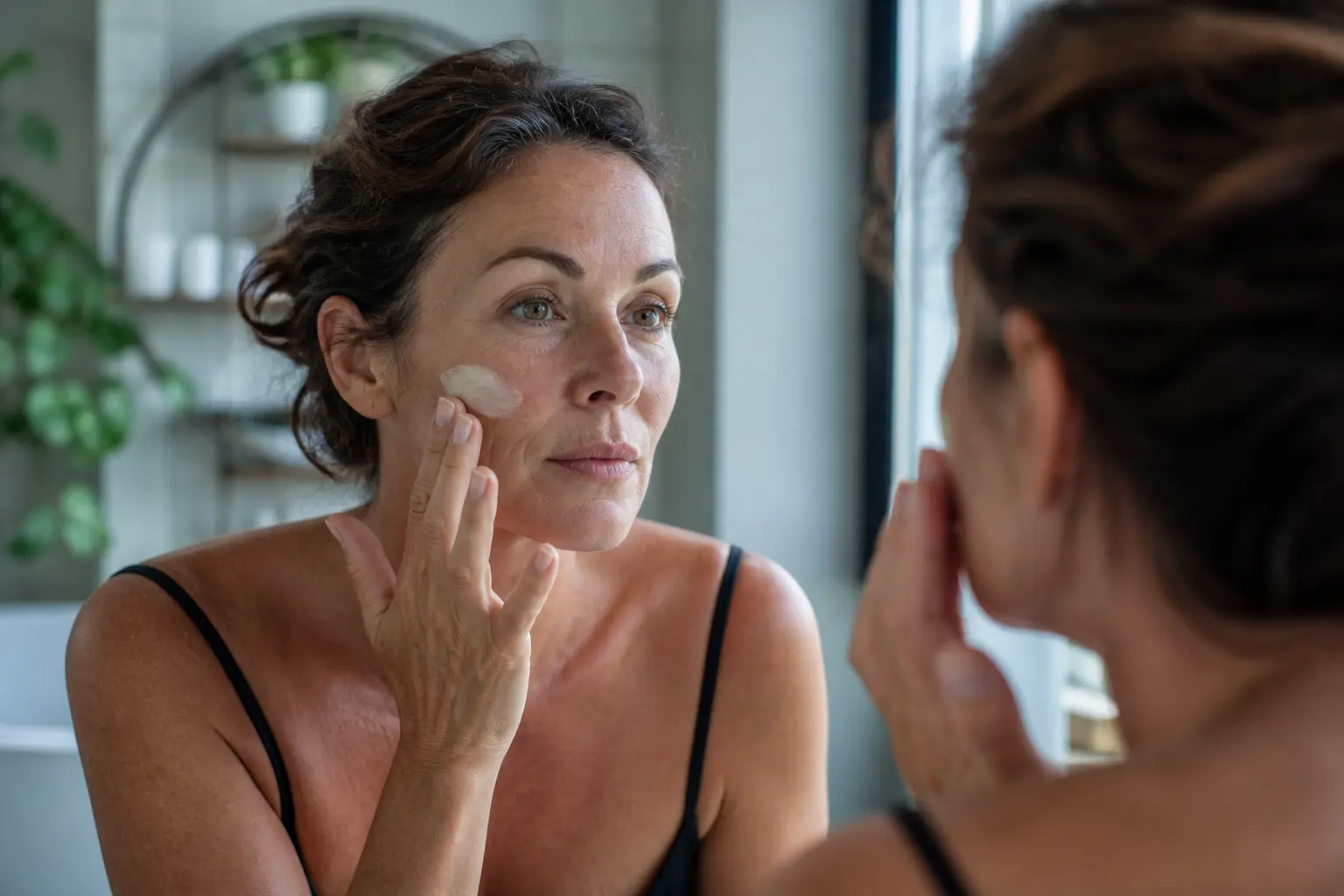
You’re noticing fine lines creeping in earlier than expected, sun spots appearing on your hands, and that firmness you used to have just isn’t there anymore, and here’s the thing: spf anti aging benefits are literally the difference between skin that ages gracefully and skin that ages fast.
Understanding UV radiation
UV radiation is invisible energy emitted by the sun that travels through the atmosphere and penetrates deep into your skin’s layers. Think of it like this: when you spend a day at the beach without protection, you’re not just getting a surface-level tan. UV rays are actually reaching the dermis, the deeper layer of your skin where collagen and elastin live. These rays damage the DNA in your skin cells, triggering inflammation and breaking down the structural proteins that keep your skin firm and smooth. Over time, this accumulation of damage shows up as wrinkles, fine lines, age spots, and that leathery texture some people develop. Women often notice this damage more visibly because hormonal changes during menopause can make skin thinner and more vulnerable. The scary part? Much of the damage happens without you feeling anything. You might not see wrinkles for years, but the cellular damage is happening right now, with every unprotected minute in the sun.
SPF and anti-aging benefits
SPF, or sun protection factor, is essentially a shield that works in two ways: some sunscreens absorb UV rays and convert them into heat, while others reflect them away from your skin entirely. An SPF 30 blocks about 97% of UVB rays, while SPF 50 blocks about 98%. That extra 1% might sound small, but it adds up over a lifetime. When you use sunscreen consistently, you’re not just preventing sunburn in the moment. You’re stopping the cascade of damage that leads to premature aging. Women who start using daily SPF in their 20s and 30s often look noticeably younger at 50 compared to those who didn’t. It’s not magic, it’s biology. By preventing UV damage, you’re preserving the collagen and elastin that keep skin plump and elastic. You’re also reducing oxidative stress, which is a major driver of aging. Think of SPF as an investment that pays dividends year after year. The anti-aging benefits aren’t just about looking good, they’re about maintaining your skin’s actual health and function.
How to choose the right SPF
Choosing sunscreen isn’t one-size-fits-all, and that’s where many women go wrong. First, understand your skin type. If you have oily or acne-prone skin, you’ll want a lightweight, non-comedogenic formula that won’t clog pores. Dry skin benefits from sunscreens with hydrating ingredients like glycerin or hyaluronic acid. Sensitive skin needs mineral sunscreens with zinc oxide or titanium dioxide, which sit on top of the skin rather than being absorbed. Next, always choose broad-spectrum protection. This means the sunscreen protects against both UVA rays (which cause aging and wrinkles) and UVB rays (which cause burning). A common mistake is thinking SPF 15 is enough for daily use. Dermatologists recommend SPF 30 minimum for everyday wear, and SPF 50 if you’ll be outside for extended periods. Application matters too. Most people use far too little. You need about a quarter teaspoon for your face alone. And here’s what people forget: sunscreen expires. Check the date on your bottle and replace it annually, especially if it’s been sitting in a hot car. Reapplication is crucial. Every two hours in the sun, or immediately after swimming or sweating, you need to reapply.
- Evaluate your skin type and sensitivity to select the right formula
- Select a broad-spectrum sunscreen protecting against both UVA and UVB
- Reapply sunscreen every two hours or after swimming or sweating
🔬 Science-backed benefits in 2 minuteschoose where to begin:
Mechanisms of UV-induced aging
When UV rays hit your skin, they trigger a chain reaction at the cellular level. The rays damage collagen and elastin fibers, the proteins responsible for keeping skin firm, bouncy, and youthful. Imagine collagen as the scaffolding holding your skin up. When UV rays break those fibers down, the scaffolding weakens, and your skin starts to sag and wrinkle. But that’s not all. UV exposure also generates free radicals, unstable molecules that cause oxidative stress. This stress triggers inflammation, which accelerates aging even further. Additionally, UV rays can damage the DNA in your skin cells, potentially leading to mutations. Over time, this repeated damage impairs your skin’s ability to repair itself. Your skin cells become less efficient at producing new collagen, and the existing collagen becomes cross-linked and stiff, which is why sun-damaged skin often looks leathery. Women in their 40s and 50s who spent years in the sun often show dramatic differences compared to those who protected themselves. The damage is cumulative and largely irreversible, which is why prevention through SPF is so critical.
Preventing UV-induced damage
SPF is your first line of defense, but it works best as part of a comprehensive strategy. Peak sun hours between 10 a.m. and 4 p.m. are when UV rays are strongest, so seeking shade during these times makes a real difference. If you’re planning to be outside, wear protective clothing like long-sleeved shirts, wide-brimmed hats, and UV-blocking sunglasses. Many brands now make stylish UPF-rated clothing that’s lightweight and breathable, so you don’t have to sacrifice comfort. Avoid indoor tanning beds entirely. They emit UVA rays that are actually more intense than natural sunlight and significantly increase skin cancer risk and premature aging. Some women think a base tan from a tanning bed will protect them, but this is a dangerous misconception. Antioxidant-rich skincare products like vitamin C serums can also help neutralize free radicals and support your skin’s natural repair processes. And don’t forget that protection extends beyond your face. Your neck, chest, hands, and ears are often neglected but show sun damage prominently. These areas have thinner skin and fewer oil glands, making them more vulnerable.
Ensuring effective protection
Consistency is where most people fail with sun protection. You might use SPF religiously in summer but skip it on cloudy days or during winter. Here’s the truth: UV rays penetrate clouds and reflect off snow and water, so you need protection year-round. Check your sunscreen’s expiration date regularly. Sunscreen degrades over time, especially if exposed to heat, and expired products lose efficacy. Store your sunscreen in a cool place, not in a hot bathroom or car. Make SPF part of your non-negotiable daily routine, like brushing your teeth. Many moisturizers and foundations now include SPF, which makes it easier to incorporate into your existing skincare routine. However, relying solely on these products isn’t enough because you typically don’t apply enough product to get the full SPF benefit. Use a dedicated sunscreen as your main protection. If you’re using other skincare products like retinoids or vitamin C, apply them first, wait a few minutes, then apply your SPF. This layering approach ensures all your products work effectively. Think of it as building a protective barrier that keeps your skin healthy and youthful for decades to come.
UV radiation is a primary driver of premature skin aging, causing visible damage like wrinkles, age spots, and loss of elasticity. Understanding how UV rays damage your skin at a cellular level helps you appreciate why consistent SPF use is so important. By choosing the right sunscreen for your skin type, using it correctly, and combining it with other protective measures like seeking shade and wearing protective clothing, you can significantly slow down the aging process. The science is clear: women who prioritize sun protection throughout their lives maintain healthier, more youthful-looking skin. This isn’t about vanity, it’s about taking control of your skin health and preventing damage that’s difficult or impossible to reverse.
Can sunscreen alone prevent all UV-induced skin damage?
While sunscreen is a crucial component of UV protection, it is not 100% effective. It should be used in conjunction with other protective measures like seeking shade and wearing protective clothing. Even the best sunscreen requires proper application and reapplication to work effectively. A comprehensive approach combining multiple strategies provides the most robust protection.
At what age should SPF be incorporated into a skincare routine?
SPF should be used from childhood onward to establish a habit of sun protection. Consistent SPF use throughout life can significantly reduce the cumulative effects of UV radiation. Women who start protecting their skin early often see dramatically better skin health and appearance in their 40s, 50s, and beyond. It’s never too late to start, but earlier is always better.
Others also read:
Disclaimer: This article is for informational purposes only and is not a substitute for professional medical advice. Always consult a healthcare professional for personal guidance.
This article has been prepared and reviewed by the GlobalHealthBeacon editorial team and is based on current medical research and published scientific literature available in 2026. It provides structured, evidence-based information to support informed health decisions.
