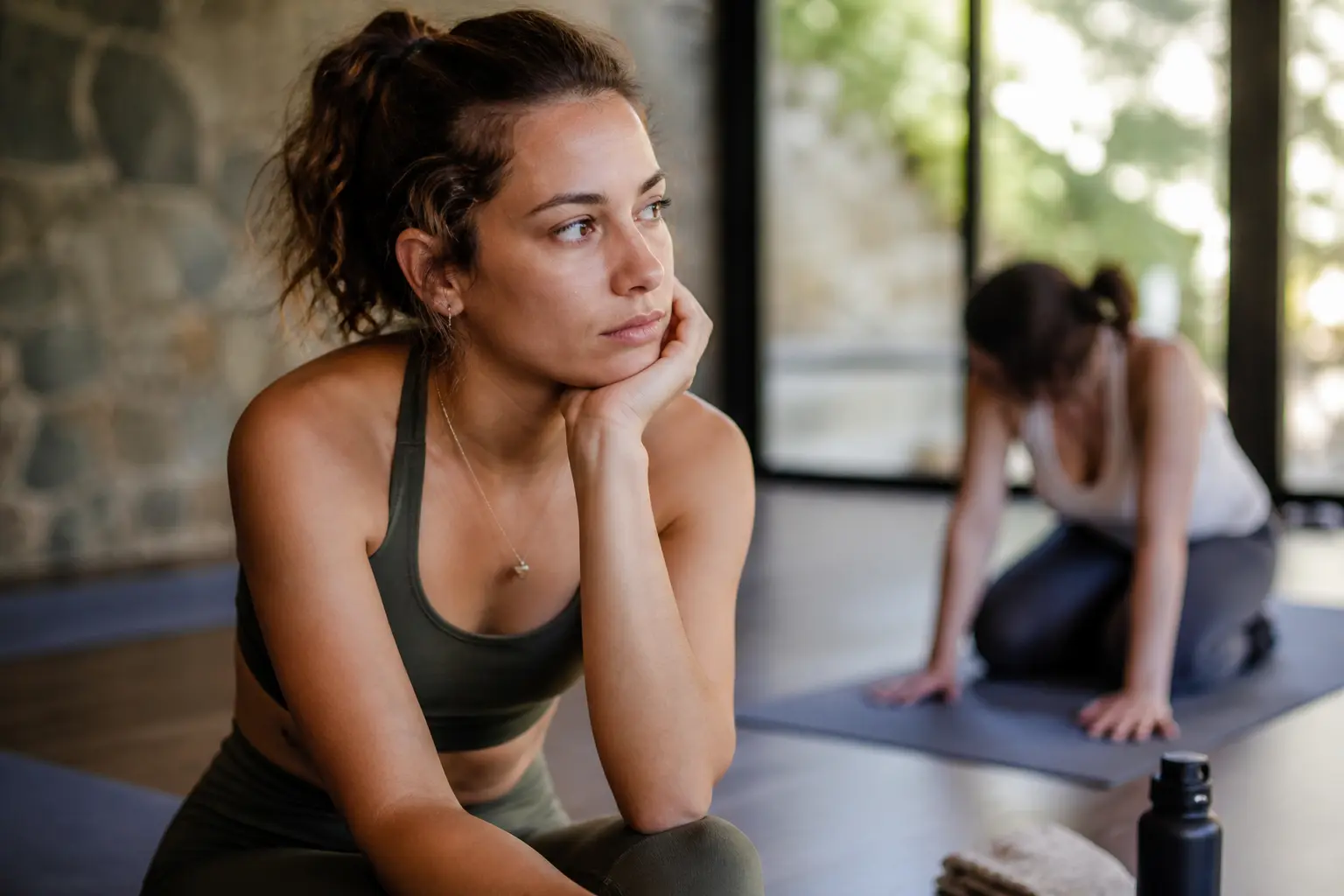
Your shoulders are constantly tense, your sleep is terrible, and you can feel the stress literally living in your body—so you’re wondering if pilates versus yoga cortisol management is the answer, and honestly, you’re not alone in desperately needing to know which one actually works.
Understanding pilates and yoga for stress reduction
Pilates and Yoga are two popular mind-body practices known for their stress-relieving benefits, but they approach the challenge differently. Pilates focuses on strengthening the core and improving flexibility through controlled, precise movements that demand your full attention and mental engagement. Yoga incorporates breathing techniques, meditation, and poses to relax the mind and body simultaneously. Think of Pilates as a workout that forces you to be present because one wrong move throws off your entire alignment, while Yoga is more about surrendering and letting tension melt away. For young adults juggling work stress and social pressure, understanding these differences matters. Pilates appeals to people who like structure and measurable progress, while Yoga attracts those seeking a more holistic, spiritual connection to their practice. Both practices activate the parasympathetic nervous system, which is your body’s natural brake pedal for stress. The real magic happens when you realize that consistency with either practice trains your nervous system to calm down faster in everyday life.
- Pilates: Emphasizes physical strength and flexibility.
- Yoga: Combines physical postures, breathing exercises, and meditation.
- Both promote mindfulness and relaxation.
Effects of pilates and yoga on cortisol levels
Research suggests that both Pilates and Yoga can help lower cortisol levels, the stress hormone your body releases when you’re under pressure. Engaging in these practices regularly may lead to reduced anxiety, improved mood, and better overall well-being. Here’s what actually happens: when you practice Pilates, the focused breathing and controlled movements signal to your brain that you’re safe, which tells your adrenal glands to stop pumping cortisol. Yoga does something similar but adds meditation and deeper breathing patterns that directly calm your nervous system. Studies show that even a single 60-minute session can lower cortisol, but the real benefits emerge after weeks of consistent practice. Young adults who commit to two to three sessions weekly often report sleeping better, feeling less irritable, and handling stress without that overwhelming sense of dread. The mind-body connection in both practices plays a significant role in stress management because you’re not just moving your body—you’re retraining how your brain responds to stress triggers. Think of it like reprogramming your stress response system.
📘 Fix your day in under 2 minuteschoose where to begin:
Choosing the right practice for you
The choice between Pilates and Yoga depends on your preferences and fitness goals, but here’s how to actually decide. If you enjoy dynamic movements, focused exercises, and seeing measurable physical progress, Pilates might be your ideal choice. You’ll feel stronger week to week, and that progress builds confidence. On the other hand, if you seek a holistic approach that incorporates physical postures, breathwork, and meditation, Yoga could be more suitable. Consider your lifestyle too: Pilates classes often require equipment or studio access, while Yoga can be done anywhere with just a mat. For young adults, think about what you’ll actually stick with. If you hate feeling confined or prefer intense workouts, Pilates energizes you. If you crave peace and spiritual growth alongside physical benefits, Yoga resonates more. Some people even do both on different days, using Pilates for strength on Mondays and Yoga for recovery on Wednesdays. The best practice is ultimately the one you’ll show up for consistently.
Incorporating pilates and yoga into your routine
To experience the stress-relieving benefits of Pilates or Yoga, consider adding them to your weekly schedule strategically. Aim for at least two to three sessions per week to reap the rewards of reduced cortisol levels and enhanced well-being. Here’s a practical approach: start with one class per week to build the habit, then add a second session after two weeks. Many young adults find that scheduling classes at the same time each week removes the decision-making burden. If you choose Pilates, expect 45 to 60 minutes of focused work. If you choose Yoga, you might start with gentle or beginner classes and progress to more challenging styles. Consistency is key to seeing long-term improvements, but consistency doesn’t mean perfection. Missing one class doesn’t erase your progress. What matters is returning the next week. Some people journal how they feel after each session, which reinforces the mind-body connection and motivates continued practice. Track your sleep quality, energy levels, and mood to notice the subtle shifts that happen over weeks and months.
Final thoughts on stress management
Whether you choose Pilates or Yoga, both practices offer valuable tools for managing stress and promoting relaxation in your daily life. Experiment with different classes and styles to find what resonates best with you. Some studios offer free first classes, so take advantage of that to test the vibe before committing. Remember, the goal is not perfection but progress in your journey toward better stress management. You might discover that a gentle Yoga class calms you on stressful Tuesdays while an intense Pilates session energizes you on Fridays. Young adults often benefit from mixing practices based on what their body and mind need that week. Pay attention to how you feel before and after each session. Notice if your breathing slows down, if your shoulders drop, if you sleep deeper that night. These small signals are your nervous system telling you that the practice is working. The investment in either practice pays dividends not just in reduced cortisol, but in how you show up for yourself and others every single day.
Pilates and Yoga are both effective in reducing cortisol levels and managing stress. The mind-body connection in these practices helps improve overall well-being through physical movements, breathing techniques, and mindfulness.
Which practice is better for beginners: Pilates or Yoga?
Both Pilates and Yoga offer modifications for beginners, making them accessible to all fitness levels. Start with beginner-friendly classes to build a strong foundation before advancing to more challenging routines.
How long does it take to see the effects of Pilates or Yoga on cortisol levels?
Consistency is key when it comes to experiencing the stress-relieving benefits of Pilates or Yoga. While some individuals may notice improvements in mood and stress levels after a few sessions, long-term practice is recommended for lasting effects.
Disclaimer: This article is for informational purposes only and is not a substitute for professional medical advice. Always consult a healthcare professional for personal guidance.
This guide has been prepared and reviewed by the GlobalHealthBeacon editorial team and reflects current medical research as of 2026. It provides structured, evidence-based information to support informed health decisions.
