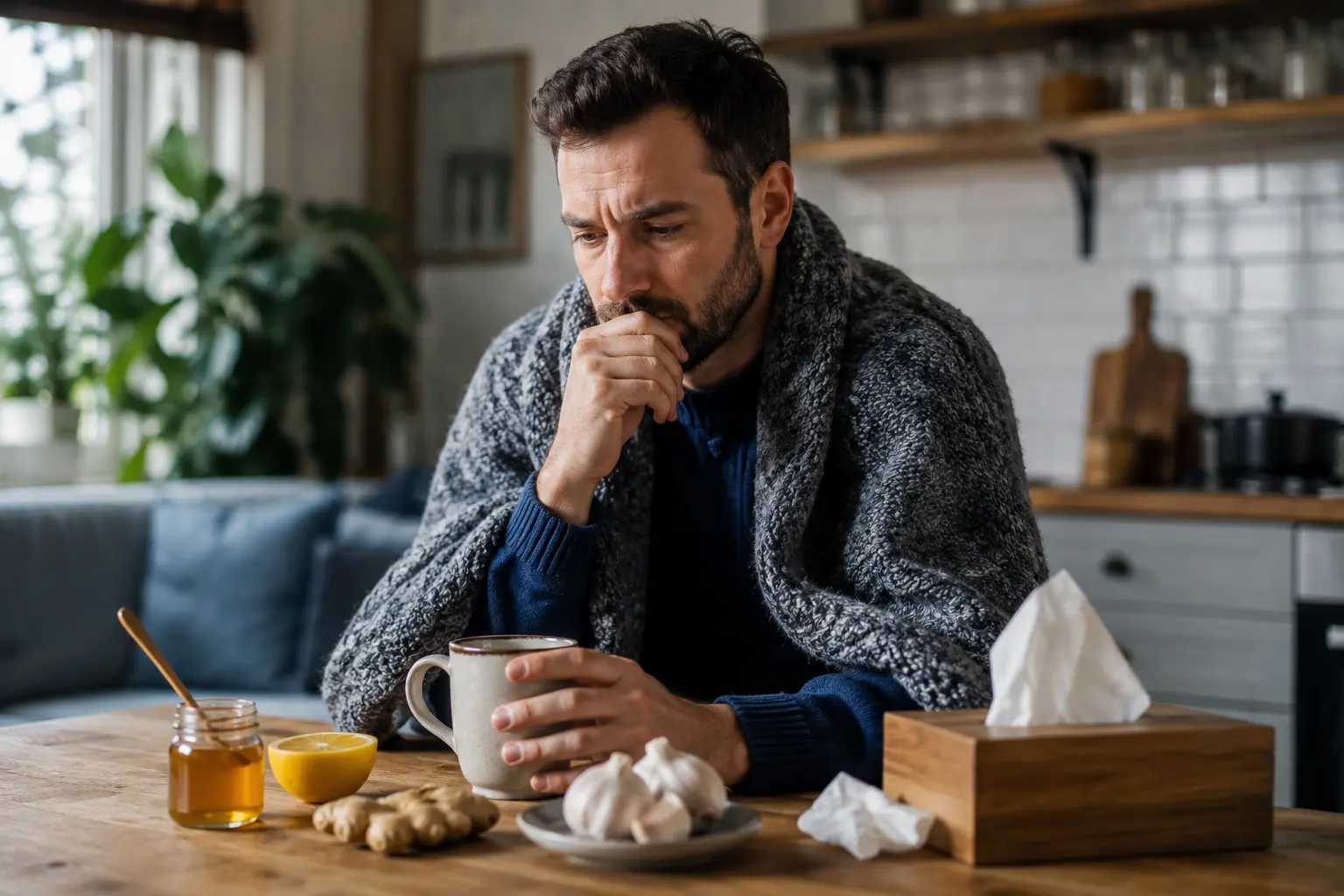
Waking up with stiff joints, dealing with heartburn after meals, or lying awake at night wondering if you’ll ever sleep soundly again is exhausting, but home remedies for common ailments have quietly become the trusted solution for millions of seniors who want relief without the side effects.
Turmeric for inflammation
Turmeric has been used in traditional medicine for thousands of years, and modern research is catching up to what cultures have long known. The active compound curcumin is where the magic happens, working at a cellular level to reduce inflammatory markers in the body. For seniors dealing with arthritis or general joint stiffness, turmeric offers a natural pathway to relief. Imagine waking up and being able to bend your fingers without that sharp twinge, or climbing stairs without gripping the railing for support. Many seniors find that incorporating turmeric into their daily diet, whether sprinkled into curries, rice dishes, or taken as a supplement, gradually improves their mobility over weeks. The key is consistency, not quick fixes. Some people combine turmeric with black pepper, which contains piperine and enhances curcumin absorption by up to 2000 percent. A common mistake is expecting overnight results, when the real benefit builds over time as inflammation decreases.
Ginger for digestive issues
Ginger root contains compounds called gingerols and shogaols that work directly on your digestive system, calming inflammation and stimulating natural digestive enzymes. For seniors who struggle with nausea after meals, indigestion that lingers for hours, or that uncomfortable bloated feeling, ginger offers gentle but effective relief. Picture yourself enjoying a meal without worrying about discomfort afterward, or sipping warm ginger tea and feeling your stomach settle within minutes. Fresh ginger steeped in hot water, ginger supplements, or even candied ginger can help reduce gas and cramping. Many seniors add fresh ginger to their morning smoothies or steep it as an afternoon tea. The warming sensation of ginger also promotes blood flow to the digestive organs, enhancing their function. A mistake to avoid is using ginger on an empty stomach if you have a sensitive stomach, as it can occasionally cause mild irritation. Starting with small amounts and gradually increasing helps your body adjust.
Apple cider vinegar for heartburn
The theory behind apple cider vinegar is counterintuitive but grounded in digestive science. Many cases of heartburn stem not from too much acid but from too little, and apple cider vinegar’s acidity can trigger your stomach to produce proper digestive juices. For seniors experiencing frequent heartburn or acid reflux, this simple remedy has provided relief when taken correctly. Imagine finishing dinner and feeling comfortable instead of reaching for antacids. The acetic acid in apple cider vinegar helps break down food more efficiently, reducing the likelihood of acid backing up into your esophagus. Diluting it properly is essential, as undiluted vinegar can damage tooth enamel and irritate your throat. Taking it before meals gives your digestive system a head start. Some seniors report noticeable improvement within days, though results vary. A critical mistake is consuming it straight or in large quantities, which can cause harm rather than help. Always dilute and consult your healthcare provider, especially if you take medications that interact with acidic foods.
- Mix one tablespoon of apple cider vinegar with a glass of water.
- Consume this mixture before meals to prevent heartburn.
- Consult with a healthcare provider before using apple cider vinegar if you have a medical condition.
🔬 Science-backed benefits in 2 minuteschoose where to begin:
Chamomile tea for sleep
Chamomile contains apigenin, a compound that binds to receptors in your brain associated with relaxation and sleep onset. For seniors who toss and turn for hours or wake multiple times during the night, chamomile offers a gentle, non-habit-forming alternative to sleep medications. Think about the simple pleasure of sipping a warm cup of tea, feeling your shoulders relax, and drifting into natural sleep without grogginess the next morning. The ritual itself is therapeutic, signaling to your body that it’s time to wind down. Many seniors establish an evening routine around chamomile tea, creating a calming transition from daytime activity to rest. Unlike prescription sleep aids, chamomile doesn’t leave you feeling foggy or dependent. Some people combine chamomile with other calming herbs like lavender or passionflower for enhanced effect. A common mistake is expecting immediate results from a single cup, when consistent use over weeks builds the benefit. Drinking chamomile regularly trains your body to recognize the signal and respond naturally.
Honey and lemon for sore throat
This combination is more than folklore, it’s backed by research showing honey’s antimicrobial and anti-inflammatory properties alongside lemon’s vitamin C content. When seniors develop a sore throat from a cold or seasonal irritation, honey and lemon provide soothing relief while supporting immune function. Picture yourself gargling with this mixture and feeling the rawness ease, or sipping it slowly and experiencing immediate comfort. Honey coats the throat, reducing irritation and suppressing cough reflexes, while lemon’s acidity can help loosen mucus. The warmth of the water enhances both effects. Many seniors keep honey and fresh lemons on hand during cold season as their first line of defense. The combination is safe, affordable, and tastes pleasant enough to take regularly. A mistake some make is using honey that’s been overheated, which destroys its beneficial enzymes and compounds. Raw or minimally processed honey works best. Another tip is to use warm, not hot, water to preserve honey’s properties.
Peppermint oil for headaches
Peppermint oil contains menthol, which creates a cooling sensation and relaxes muscles in the head and neck where tension headaches originate. For seniors experiencing tension headaches or migraines, peppermint offers a non-pharmaceutical approach that many find remarkably effective. Imagine feeling a headache building and applying diluted peppermint oil to your temples, then feeling the tension melt away within minutes. The cooling effect is immediate and the muscle-relaxing properties work gradually. Some seniors inhale peppermint oil’s aroma, which can also reduce pain perception and promote relaxation. Others apply it topically to temples and the back of the neck. The key is always diluting peppermint oil with a carrier oil like coconut or almond oil, as undiluted oil can irritate skin. Many people combine peppermint with a quiet environment and deep breathing for enhanced relief. A common mistake is applying it near eyes or using it undiluted, which causes burning. Starting with small amounts helps you find your ideal dose without irritation.
Scientifically proven home remedies like turmeric, ginger, apple cider vinegar, chamomile tea, honey with lemon, and peppermint oil offer seniors safe and effective options for managing common ailments naturally.
Are these home remedies safe for seniors with multiple health conditions?
While these remedies are generally safe, seniors with existing health conditions should consult their healthcare providers before using them to ensure they won’t interact with any medications or exacerbate their conditions.
Can these home remedies replace prescribed medications for chronic conditions?
Home remedies can complement conventional treatment but should not replace prescribed medications for chronic conditions without medical advice. It’s essential to consult healthcare providers before making any changes to treatment plans.
Others also read:
Disclaimer: This article is for informational purposes only and is not a substitute for professional medical advice. Always consult a healthcare professional for personal guidance.
This article has been prepared and reviewed by the GlobalHealthBeacon editorial team and is based on current medical research and published scientific literature available in 2026. It provides structured, evidence-based information to support informed health decisions.
← Back to the Main page on: home remedies for common ailments
