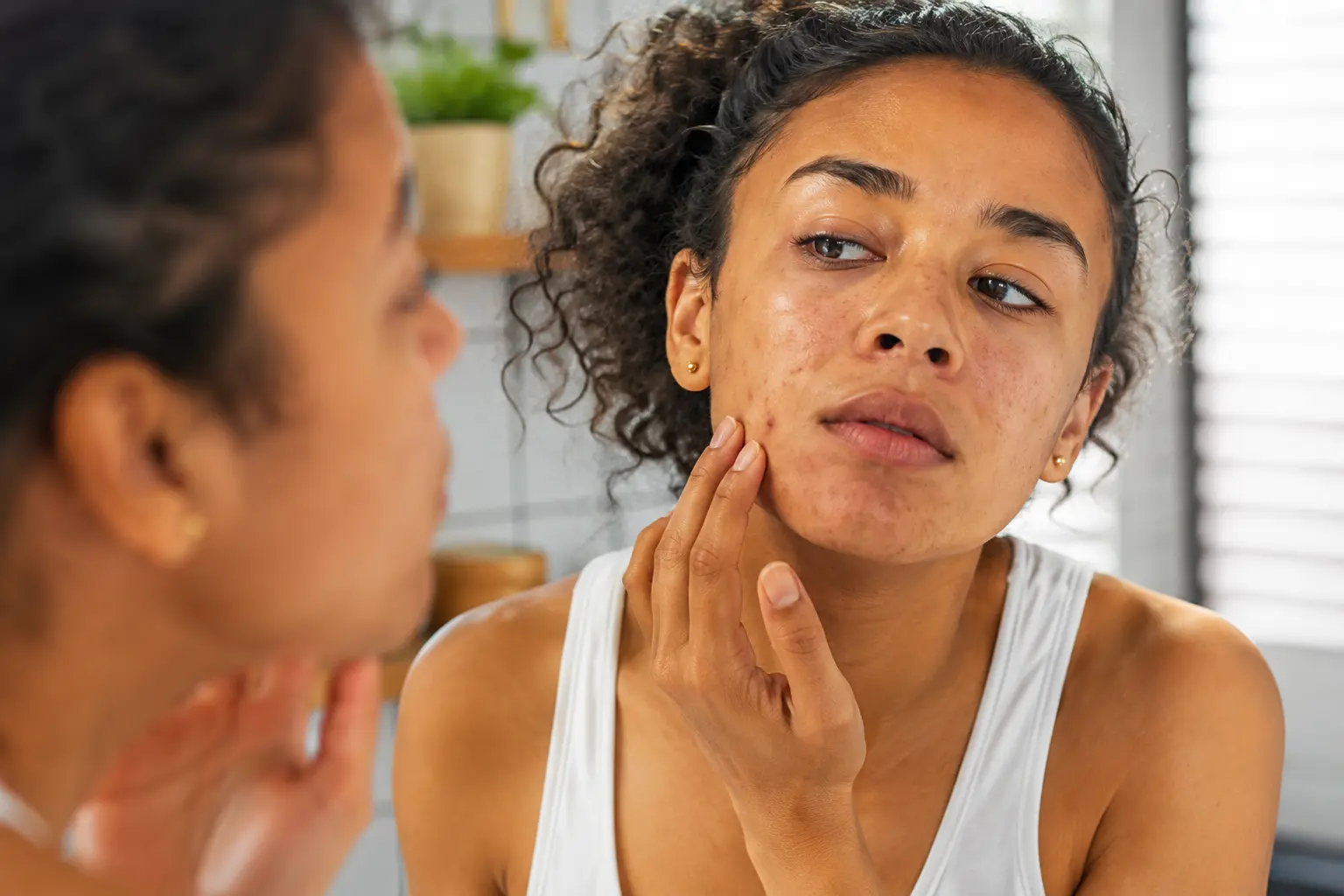
Your skin feels irritated, breaks out unpredictably, and nothing seems to work anymore, but nobody’s really explained why, and that’s because skin microbiome health explained is the missing piece nobody told you about.
Understanding the skin microbiome
The skin microbiome is essentially a living ecosystem on your skin’s surface, made up of trillions of bacteria, fungi, and other microorganisms working together in a delicate balance. Think of it like a garden: when conditions are right, beneficial plants thrive and keep weeds at bay. Your skin microbiome works the same way. These microorganisms form a protective barrier that shields you from harmful pathogens, regulates moisture, and maintains your skin’s pH balance. For women specifically, this ecosystem is particularly sensitive because hormonal fluctuations throughout your menstrual cycle, pregnancy, and menopause directly affect microbial composition. When you understand how this community functions, you stop blaming yourself for skin issues and start addressing the actual root cause. The bacteria on your skin aren’t invaders to eliminate, they’re allies to support. Your microbiome communicates with your immune system, influences inflammation levels, and even affects how your skin heals. Understanding this relationship changes how you approach skincare entirely.
- The skin microbiome acts as a protective barrier against harmful pathogens and environmental stressors.
- Imbalances in the skin microbiome can lead to skin conditions like acne, eczema, rosacea, and psoriasis.
- Various factors including diet, lifestyle, stress levels, hormonal changes, and skincare products directly influence the balance of your skin microbiome.
Signs of a healthy skin microbiome
A healthy skin microbiome shows up as clear, calm skin that feels resilient and looks radiant without heavy makeup or constant treatment. You’ll notice your skin has a smooth, even texture without rough patches or unexplained sensitivity. The hallmark signs include minimal breakouts, reduced redness and inflammation, and skin that doesn’t react dramatically to temperature changes or new products. Your complexion appears balanced, your pores look refined, and you stop experiencing that tight, uncomfortable feeling after cleansing. For women, healthy microbiome skin typically shows fewer hormonal breakouts and maintains consistent hydration without being oily or flaky. You might notice your skin heals faster from minor irritations, and you don’t need to constantly switch products searching for relief. Another key indicator is reduced sensitivity, meaning you can tolerate a wider range of ingredients without experiencing stinging, burning, or itching. When your microbiome is balanced, your skin essentially becomes more forgiving and stable, which means less anxiety about what you’re putting on it.
📘 Fix your day in under 2 minuteschoose where to begin:
Maintaining skin microbiome health
Supporting your skin microbiome requires a shift from aggressive skincare to gentle, microbiome-friendly practices. Start by eliminating over-cleansing, which strips away beneficial bacteria along with dirt. Wash your face once daily with lukewarm water and a gentle cleanser, avoiding hot water and harsh scrubs that disrupt your skin barrier. Choose skincare products with minimal ingredients, focusing on those that support rather than eliminate bacteria. Incorporate foods rich in antioxidants, omega-3 fatty acids, and prebiotics like leafy greens, fatty fish, berries, and fermented foods that feed your beneficial bacteria. Manage stress through regular movement, meditation, or activities you enjoy, since cortisol directly impacts your microbiome composition. Sleep quality matters tremendously, as your skin repairs and rebalances during rest. Limit antibiotic use when possible and avoid products containing triclosan or other antimicrobial agents that indiscriminately kill bacteria. For women, tracking your cycle can help you adjust skincare intensity during hormonal shifts when your microbiome is most vulnerable. Consider adding a gentle probiotic supplement or fermented skincare products, though focus primarily on these foundational habits first.
Common myths about the skin microbiome
The biggest myth circulating is that all bacteria on your skin are harmful and need to be eliminated. In reality, roughly 99 percent of bacteria on your skin are beneficial or neutral. Another widespread misconception is that a perfectly clean, sterilized skin is healthy skin, when actually, stripping your microbiome with harsh cleansers and antibacterial products creates the exact conditions for problematic bacteria to flourish. Women especially hear that they need to use strong actives like benzoyl peroxide or salicylic acid constantly, but this approach often worsens microbiome imbalance and creates a cycle of irritation and breakouts. Some claim that probiotic skincare products alone can fix microbiome issues, but the evidence is limited, and topical probiotics can’t replicate the complexity of your natural microbiome. There’s also confusion that microbiome health is separate from overall health, when in fact your gut microbiome, stress levels, sleep, and diet directly influence your skin microbiome. Finally, many believe that once your skin is clear, you can return to harsh routines, but microbiome balance requires consistent, gentle maintenance. Understanding these myths helps you make informed decisions rather than following marketing hype.
Consulting a dermatologist for skin microbiome concerns
If you’ve tried gentle, consistent habits for several months and still experience persistent breakouts, sensitivity, or conditions like rosacea or eczema, a dermatologist can assess your specific microbiome situation. They can perform tests to identify which bacteria are dominant on your skin and whether an imbalance exists. This is especially valuable for women experiencing hormonal acne or microbiome disruption after antibiotic use, as a dermatologist can recommend targeted treatments rather than generic solutions. Some dermatologists now offer microbiome-focused skincare consultations where they review your routine and identify products or habits that might be disrupting your balance. They can prescribe treatments like gentle retinoids or specific antibiotics that target problematic bacteria without destroying your entire microbiome. A dermatologist can also rule out conditions that mimic microbiome imbalance, ensuring you’re treating the actual issue. They understand how your individual skin responds and can create a personalized plan accounting for your age, skin type, hormonal patterns, and lifestyle. Rather than self-diagnosing or experimenting endlessly, professional guidance accelerates your path to balanced, healthy skin.
Your skin microbiome is the foundation of lasting skin health, and understanding it transforms how you approach skincare entirely. By recognizing the signs of balance, adopting gentle habits that support microbial diversity, and debunking myths that lead you astray, you take control of your skin’s actual health rather than chasing temporary fixes. When you need support, a dermatologist can provide personalized guidance tailored to your unique situation. The goal isn’t perfect skin, it’s resilient, balanced skin that feels as good as it looks.
Can I improve my skin microbiome by using probiotic skincare products?
While probiotic skincare products claim to improve the skin microbiome, scientific evidence supporting their efficacy is limited and mixed. Topical probiotics cannot replicate the complexity of your natural microbiome ecosystem. Instead, focus on foundational practices like gentle cleansing, a nutrient-rich diet with fermented foods, consistent sleep, and stress management. These habits support your microbiome far more effectively than any single product. If you choose to try probiotic skincare, use it alongside these core practices rather than as a replacement.
Do age and hormonal changes affect the skin microbiome in women?
Age and hormonal changes significantly impact the skin microbiome in women. Monthly menstrual cycles shift bacterial composition, pregnancy alters microbiome diversity, and menopause causes dramatic changes due to declining estrogen. These shifts can trigger dryness, sensitivity, acne, and inflammation. Rather than fighting these natural changes, adjust your skincare routine to support your microbiome during different life phases. Track your cycle to identify patterns, increase hydration support during vulnerable times, and consider consulting a dermatologist for personalized guidance during major hormonal transitions.
Others also read:
Disclaimer: This article is for informational purposes only and is not a substitute for professional medical advice. Always consult a healthcare professional for personal guidance.
This guide has been prepared and reviewed by the GlobalHealthBeacon editorial team and reflects current medical research as of 2026. It provides structured, evidence-based information to support informed health decisions.
