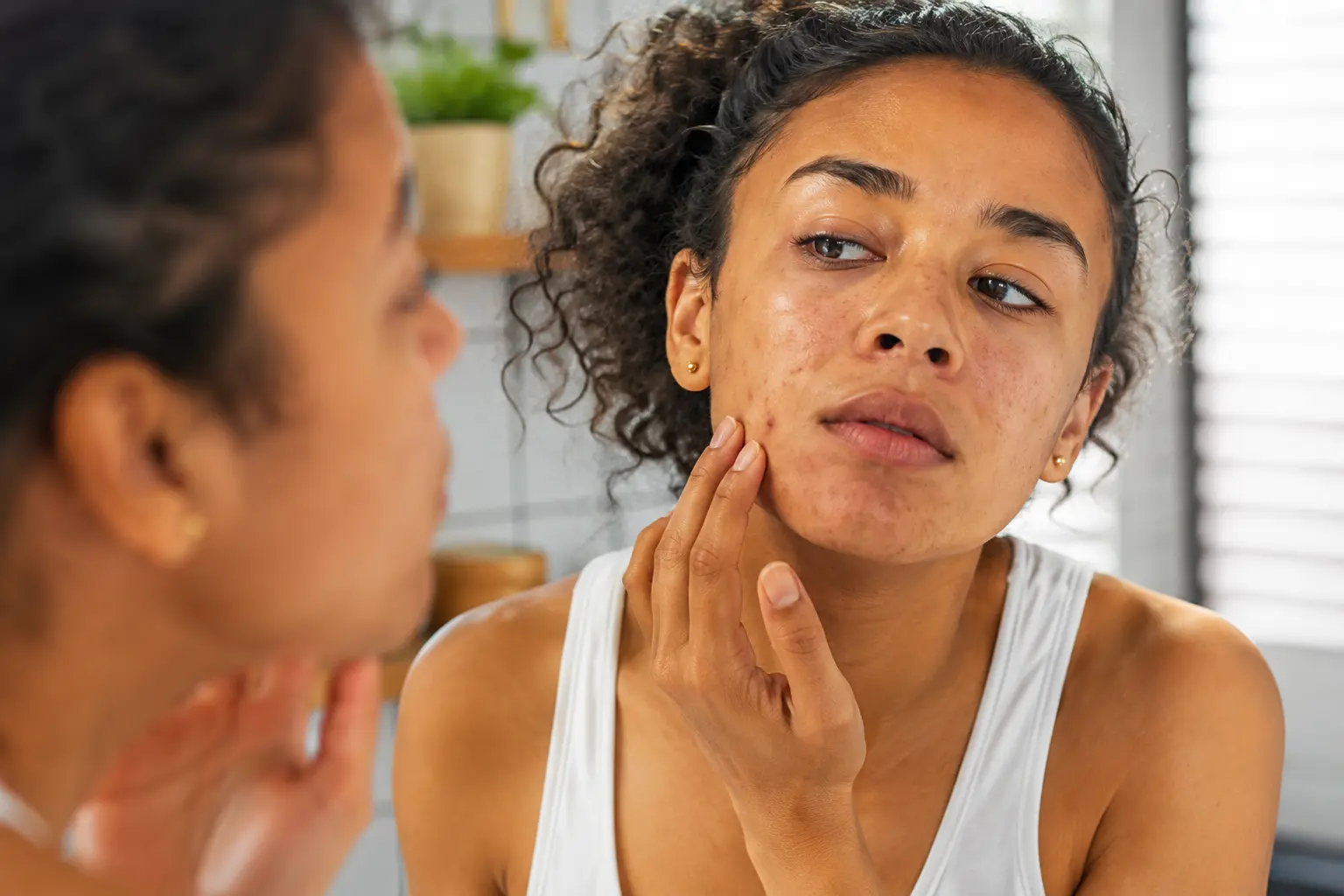
Your skin feels raw, inflamed, and angry no matter what you slather on it, and you’re exhausted from trying every trending product that promises relief but delivers nothing but disappointment and wasted money, so let’s cut through the noise and get real about skin microbiome health explained.
Unlocking the skin microbiome puzzle
Picture this: you’re scrolling through social media and see yet another influencer raving about their perfect skin. Meanwhile, you’re dealing with breakouts that seem to come out of nowhere, or maybe your skin alternates between oily and dry like it can’t make up its mind. Here’s what most people don’t realize – your skin isn’t broken. It’s actually a living ecosystem hosting trillions of bacteria, viruses, and fungi that work together like a tiny city on your face. When this community gets thrown off balance, everything falls apart. Think of it like a neighborhood where the good residents suddenly outnumber the bad ones, or vice versa. Acne, eczema, rosacea, and stubborn dryness often aren’t skin diseases at all – they’re signals that your microbiome needs help. The bacteria living on your skin produce natural oils, fight off harmful invaders, and maintain your skin’s pH balance. When you strip away these good guys with harsh cleansers or antibiotics, you create a vacuum that bad bacteria rush to fill. Understanding this relationship is genuinely life-changing.
- Learn about the role of probiotics and prebiotics in skincare routines.
- Discover how lifestyle factors like diet and stress affect your skin microbiome.
- Explore the latest research on personalized skincare based on microbiome analysis.
Embracing natural skin care remedies
You’ve probably been told to use the strongest acne cleanser available, or maybe you’ve tried every dermatologist-recommended product under the sun. But here’s the plot twist: those harsh chemicals and aggressive treatments might actually be making things worse. When you use benzoyl peroxide or salicylic acid every single day, you’re essentially napalming your skin’s bacterial ecosystem. Yes, you kill the bad bacteria, but you also obliterate the beneficial ones that keep your skin healthy. Natural doesn’t mean ineffective. Ingredients like niacinamide gently regulate oil production without destroying your microbiome. Ceramides rebuild your skin barrier, which is your first line of defense against irritation and infection. Hyaluronic acid hydrates without clogging pores or feeding bad bacteria. The shift toward microbiome-friendly skincare isn’t just trendy – it’s backed by emerging research showing that people who support their skin’s natural ecosystem see longer-lasting results than those who wage chemical warfare on their complexion. Start by swapping one harsh product for a gentler alternative and observe what happens over two to three weeks.
💬 Ready to feel better in 2 minutes?choose where to begin:
Incorporating mindful skincare practices
Imagine having a skincare routine that actually feels good instead of like a punishment. Most young adults rush through their routine or skip it entirely when stressed, which is exactly when their skin needs the most support. A mindful approach means slowing down and really understanding what your unique skin needs. Maybe your skin thrives with a simple two-step routine, or maybe it needs more attention during certain seasons. The key is consistency and paying attention. Start by cleansing gently – warm water and a mild cleanser that doesn’t leave your skin feeling tight or squeaky. Apply a hydrating toner or essence while your skin is still damp to lock in moisture. Follow with a lightweight moisturizer that respects your skin’s natural barrier. If you have active breakouts, add a targeted treatment, but keep it simple. The biggest mistake young adults make is overcomplicating their routine or constantly switching products every week. Your microbiome needs time to adjust and rebalance. Give each new approach at least three to four weeks before deciding if it’s working. Notice how your skin feels, not just how it looks.
Tracking progress and adapting along the way
Here’s something nobody talks about: your skin changes constantly. Hormones, seasons, stress levels, sleep quality, and even what you ate yesterday all influence your microbiome. That’s why tracking your skin’s response to changes is absolutely crucial. Start a simple skin diary – it doesn’t need to be fancy. Just note the date, what products you used, how your skin looked and felt, and any external factors like stress level or sleep quality. After two weeks, patterns emerge. Maybe you notice your skin gets worse after eating dairy, or that skipping moisturizer leads to breakouts two days later. Perhaps you realize that your skin actually thrives when you’re sleeping well and drinking enough water. This isn’t about obsessing over your skin – it’s about gathering real data so you can make informed decisions. When you try something new, change only one thing at a time. If you introduce a new cleanser and a new moisturizer simultaneously and your skin reacts badly, you won’t know which one caused the problem. Patience is genuinely your superpower here. Real microbiome rebalancing takes weeks or months, not days. Trust the process.
Exploring the intricate world of the skin microbiome reveals how nurturing this internal ecosystem can lead to healthier, happier skin. By embracing natural remedies, practicing mindful skincare, and tracking progress over time, young adults can unlock the secrets to glowing, balanced skin from within.
Can I improve my skin microbiome through diet?
Yes, consuming a diet rich in fruits, vegetables, and fermented foods can help support a healthy skin microbiome. Probiotic-rich foods like yogurt, kefir, and kombucha promote beneficial bacteria in the gut, which can positively impact the skin.
Are there specific skincare products tailored to skin microbiome health?
Yes, there are emerging skincare brands that focus on microbiome-friendly formulations. Look for products that are free from harsh chemicals and artificial fragrances, with ingredients that support a balanced skin microbiome.
Others also read:
Disclaimer: This article is for informational purposes only and is not a substitute for professional medical advice. Always consult a healthcare professional for personal guidance.
This article presents an experience-based perspective and has been reviewed by the GlobalHealthBeacon editorial team in 2026. It provides structured, evidence-based information to support informed health decisions.
