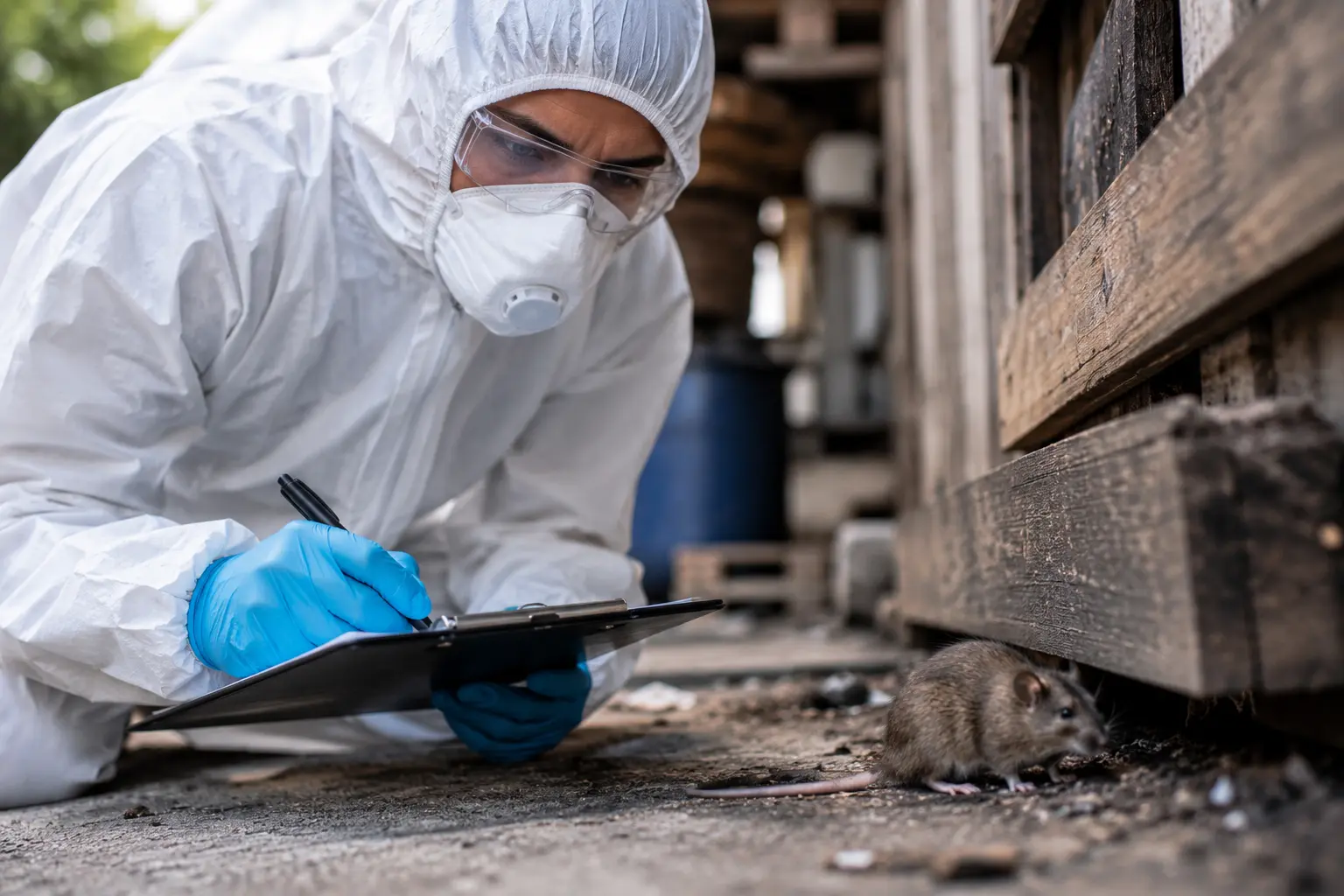
You’re cleaning out your garage, find mouse droppings everywhere, and suddenly realize you have no idea what you’re actually breathing in—hantavirus news explained reveals why that moment of panic is actually justified, and what you need to know right now.
What is hantavirus and how does it spread?
Hantavirus belongs to a family of viruses called bunyaviruses, and here’s what makes it particularly concerning: it spreads primarily through contact with infected rodent droppings, urine, or saliva. Picture this scenario: you’re sweeping out a shed you haven’t used in months, and dust particles containing the virus become airborne as you work. When you breathe in these contaminated particles, the virus can enter your respiratory system and begin infection. The virus doesn’t typically jump from person to person in casual contact, though extremely rare cases of human-to-human transmission have been documented in specific strains. Understanding this transmission route is crucial because it means the risk isn’t about avoiding sick people at work or school, but rather about being cautious in environments where rodents have been present. Different rodent species carry different hantavirus strains, and geographic location matters significantly in determining which variants are present in your area.
Symptoms and diagnosis of hantavirus
Hantavirus infection typically progresses through two distinct phases, which can make diagnosis tricky. The early phase feels deceptively like a regular flu: fever, muscle aches, fatigue, and headaches develop over several days. You might think you’ve just caught a seasonal bug and stay home to rest. Then comes the concerning part: the disease can progress to a pulmonary phase where breathing becomes difficult, chest tightness develops, and coughing intensifies. This is where hantavirus becomes genuinely dangerous. Because these symptoms mirror common illnesses like influenza or pneumonia, doctors need specific blood tests to confirm hantavirus infection. These tests look for antibodies your immune system produces in response to the virus. Early detection matters enormously because it allows medical teams to provide appropriate supportive care before complications become severe. If you’ve had potential rodent exposure and develop these symptoms, mentioning that exposure history to your healthcare provider can speed up proper diagnosis.
Prevention and risk factors
Preventing hantavirus infection centers on one core strategy: eliminating rodent presence and minimizing exposure to their waste. Think about your living situation realistically. Do you have gaps around pipes entering your home? Cracks in your foundation? Openings where utilities pass through walls? Rodents can squeeze through openings smaller than a dime, so sealing these gaps is your first line of defense. Food storage matters too because rodents are attracted to accessible nutrition. Storing pantry items in airtight containers and keeping pet food sealed removes the incentive for rodents to establish themselves in your space. When you do encounter rodent droppings, the cleanup process requires specific precautions: never sweep or vacuum directly, as this aerosolizes virus particles. Instead, spray the area with disinfectant, let it sit, then carefully wipe it up. Wearing gloves and a mask during cleanup adds an extra layer of protection. Proper ventilation in storage areas and basements also reduces virus concentration in the air.
- Seal any cracks or openings in your home to prevent rodents from entering, paying special attention to areas around pipes, utility lines, and foundation gaps.
- Store food in airtight containers to avoid attracting rodents, and keep pet food sealed and stored in secure locations away from living areas.
- Dispose of garbage promptly and securely to prevent rodent access to food sources, using sealed containers that rodents cannot chew through.
🔬 Science-backed benefits in 2 minuteschoose where to begin:
Treatment options and prognosis
Here’s what you need to understand about hantavirus treatment: there’s no magic antiviral medication that eliminates the virus once infection occurs. Instead, medical teams focus on supportive care, which means managing your symptoms while your immune system fights the infection. In a hospital setting, this might include oxygen therapy if your lungs are struggling, intravenous fluids to maintain hydration and organ function, and careful monitoring of your vital signs. The prognosis depends heavily on several factors: how severe your infection becomes, how quickly you seek medical care, and your overall health status before infection. Some people recover with appropriate hospital care, while others experience more severe complications. This is why early recognition of symptoms and seeking medical attention promptly makes such a significant difference in outcomes. Your age, existing health conditions, and immune system strength all influence how your body responds to infection.
Global impact and research efforts
Hantavirus isn’t confined to one region or climate type; it’s been documented across North America, Europe, Asia, and South America, with different strains causing distinct disease patterns in different populations. The Sin Nombre virus in the Americas causes pulmonary syndrome, while other strains in Europe and Asia cause hemorrhagic fever with renal syndrome. This geographic variation matters because it affects which populations face which risks and how public health agencies prioritize surveillance and prevention efforts. Researchers worldwide are actively investigating multiple angles: understanding why certain rodent species carry the virus, tracking how climate change might expand rodent habitats and increase human exposure, and developing potential vaccines. International collaboration on hantavirus research helps scientists share data about outbreaks, identify emerging strains, and improve diagnostic capabilities. These research efforts inform public health recommendations and help communities at higher risk implement targeted prevention strategies.
Conclusion: stay informed and take precautions
Understanding hantavirus transforms it from an abstract threat into something you can actually manage through concrete actions. You now know how transmission occurs, what symptoms to watch for, and exactly what preventive measures reduce your risk. The key is moving from awareness into action: assess your living space for rodent entry points, implement the prevention steps outlined here, and stay alert to any symptoms if you’ve had potential exposure. Reliable sources like the CDC and your local health department provide updated information about hantavirus activity in your region. If you suspect you’ve been exposed to hantavirus, don’t panic, but do seek medical evaluation promptly and mention the exposure to your healthcare provider. Knowledge combined with practical prevention creates genuine protection for you and the people around you.
The hantavirus virus explained in this article delves into its transmission through rodent contact, recognizable symptoms that progress in phases, practical prevention tactics you can implement immediately, and the global research efforts working to better understand this serious infection.
Can you get hantavirus from person to person contact?
Hantavirus typically does not spread from person to person in normal social contact or casual interactions. The primary transmission route is direct contact with infected rodents or their droppings, urine, or saliva. Extremely rare cases of human-to-human transmission have been documented with specific strains, but this is not the typical pattern of disease spread. This means you don’t need to avoid being around someone who has hantavirus; the risk comes from rodent exposure, not from infected people.
Is there a cure for hantavirus infection?
There is no specific antiviral cure that directly eliminates hantavirus once infection has occurred. Treatment focuses entirely on supportive care provided in a hospital setting, which includes oxygen therapy if breathing is compromised, intravenous fluids to maintain organ function, and careful monitoring of vital signs. Your immune system does the actual work of fighting the infection. The goal of medical treatment is to keep you stable and prevent complications while your body’s natural defenses work against the virus. Early hospitalization and aggressive supportive care significantly improve outcomes.
Others also read:
Disclaimer: This article is for informational purposes only and is not a substitute for professional medical advice. Always consult a healthcare professional for personal guidance.
This article has been prepared and reviewed by the GlobalHealthBeacon editorial team and is based on current medical research and published scientific literature available in 2026. It provides structured, evidence-based information to support informed health decisions.
