You feel fine one day, then fever and muscle aches hit out of nowhere, and suddenly hantavirus news explained makes you realize you might have been exposed without even knowing it, so here’s exactly what you need to do right now to protect yourself.
Understanding hantavirus transmission
Hantavirus spreads primarily through contact with infected rodents or their droppings, but here’s what most people get wrong: you don’t need to touch a mouse directly. The virus lives in urine, feces, and saliva, and when these materials dry out, they become airborne particles that you can inhale without realizing it. Imagine finding a mouse nest in your garage or attic. That pile of shredded insulation and droppings isn’t just gross; it’s potentially dangerous. The virus can survive in these materials for weeks. To reduce exposure risk, seal cracks and holes in your home’s foundation, walls, and around pipes. Check your basement, attic, and crawl spaces regularly. If you spot evidence of rodents, don’t panic, but do act carefully. The key is preventing rodents from entering your living space in the first place, which is far easier than dealing with an infestation.
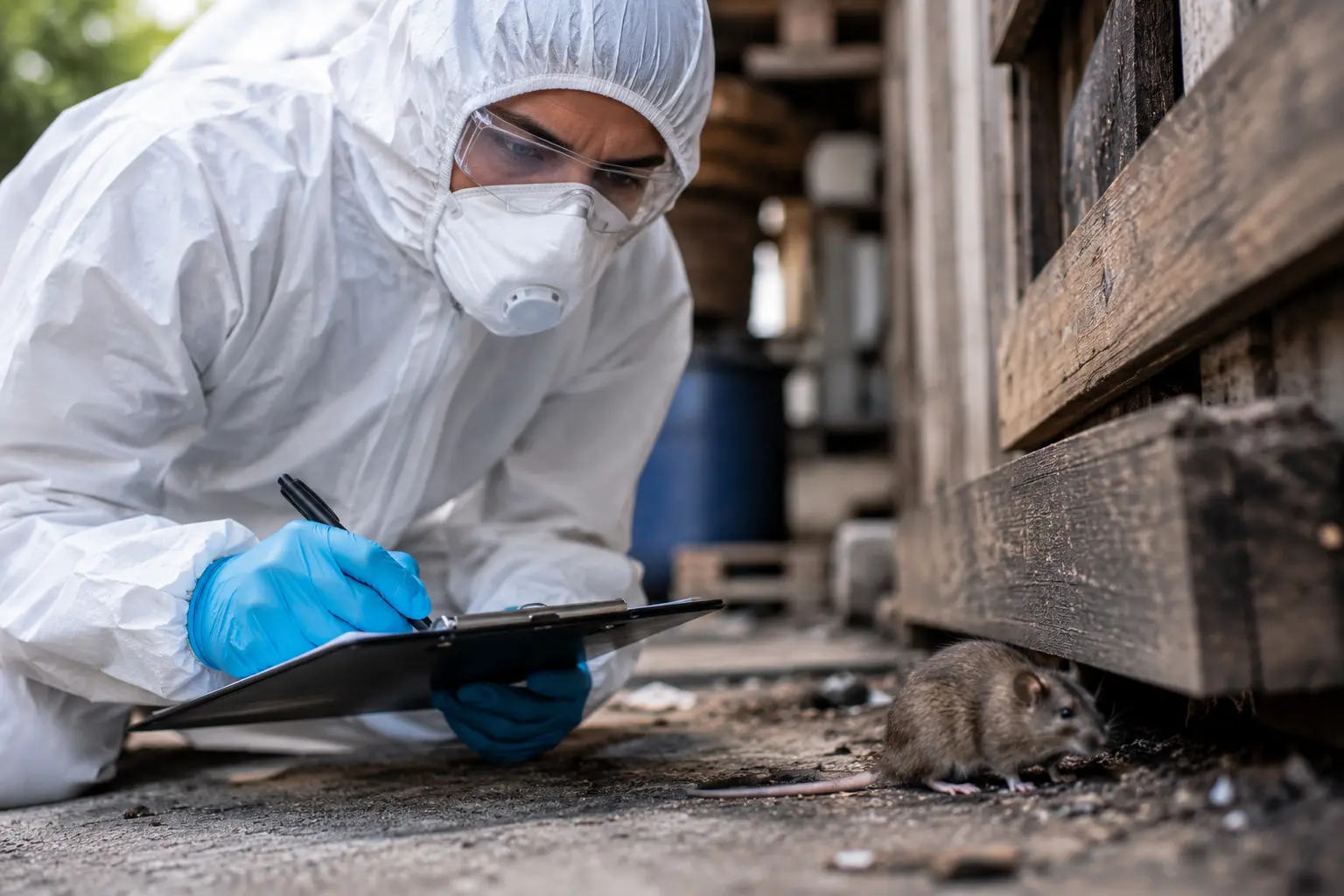
- Clean up rodent urine, droppings, and nesting materials carefully using proper protective equipment.
- Avoid sweeping or vacuuming areas with rodent infestations, as this can lead to the virus becoming airborne.
- Use gloves and masks when handling materials that may be contaminated with rodents’ bodily fluids.
Maintaining hygiene practices
Hand hygiene is your first line of defense, especially after handling anything that might have rodent contact. Wash your hands with soap and warm water for at least 20 seconds, particularly after cleaning, gardening, or working in storage areas. Think about your daily routine: you touch doorknobs, your phone, your face. If you’ve been in a space where rodents might be present, those hands become a direct pathway for the virus. Beyond handwashing, keep your living areas clean and clutter-free. Rodents love hiding spots, so remove piles of papers, boxes, and fabric. Wipe down surfaces regularly, especially in kitchens and dining areas. If you live in a dorm or shared housing, talk to your roommates about maintaining cleanliness. A single person leaving food out or creating clutter affects everyone’s risk level. This isn’t about obsessive cleaning; it’s about creating an environment where rodents have no reason to visit.
📘 Fix your day in under 2 minuteschoose where to begin:
Creating a rodent-free environment
Your living space should be inhospitable to rodents from day one. Store all food in airtight containers, including pet food and pantry items. Dispose of trash in sealed bins and take garbage out regularly. Rodents need three things to thrive: food, water, and shelter. Remove one of these, and they’ll move elsewhere. Check for water leaks under sinks and around pipes; even a small drip attracts rodents. Seal entry points around your home: gaps around windows, holes in walls, spaces where utility lines enter. Use steel wool or caulk for smaller openings and hardware cloth for larger gaps. If you already have rodents, traps work better than poison for safety reasons. Snap traps or electronic traps are effective and allow you to dispose of rodents safely. For serious infestations, hire a professional pest control service. They have the expertise and equipment to handle the problem properly and can advise on prevention long-term.
Recognizing early symptoms
Hantavirus symptoms typically appear 1 to 8 weeks after exposure, and early recognition matters. The initial phase feels like a bad flu: fever, muscle aches, chills, and fatigue. You might also experience headaches, dizziness, or abdominal pain. Some people develop a cough or shortness of breath. Here’s the critical part: if you’ve had potential rodent exposure and develop these symptoms, tell your doctor immediately. Don’t assume it’s just a regular cold. Mention the rodent contact specifically. The virus progresses quickly in some cases, so timing is important. Keep a mental note of where you’ve been and what you’ve touched. Did you clean out a shed? Work in a garage? Spend time in a cabin? These details help your doctor assess your risk. Early medical intervention can make a significant difference in outcomes. Hantavirus is serious, but it’s also rare, so don’t spiral into anxiety. Just be aware and act promptly if symptoms appear.
Seeking medical advice
If you live in or have traveled to areas where hantavirus cases have been reported, don’t hesitate to consult a healthcare provider. This is especially important if you work outdoors, in agriculture, or in pest control. Your doctor can assess your specific risk based on your location and activities. They can also discuss testing if you’ve had confirmed exposure. Early detection genuinely improves treatment outcomes. There’s no vaccine for hantavirus, but supportive medical care can help your body fight the infection. Your doctor might recommend monitoring for symptoms or bloodwork if exposure is likely. Having this conversation before you’re sick puts you in a stronger position. Keep a list of any symptoms you notice and when they started. If you develop fever, muscle aches, or respiratory symptoms after potential exposure, seek immediate medical attention. Don’t wait to see if it passes on its own. Hantavirus requires professional medical evaluation and care.
Prevent hantavirus infection by understanding transmission modes, maintaining hygiene practices, creating a rodent-free environment, recognizing symptoms early, and seeking prompt medical advice if needed.
What are the common symptoms of hantavirus?
Common symptoms of hantavirus infection include fever, muscle aches, fatigue, and difficulty breathing. These typically appear 1 to 8 weeks after exposure. Seek medical attention immediately if you develop these symptoms after potential rodent contact.
How can I protect myself from hantavirus?
Protect yourself from hantavirus by avoiding contact with rodents or their droppings, maintaining good hygiene practices, sealing entry points in your home, storing food properly, and seeking medical advice if you suspect exposure. Use protective equipment when cleaning contaminated areas.
Others also read:
Disclaimer: This article is for informational purposes only and is not a substitute for professional medical advice. Always consult a healthcare professional for personal guidance.
This guide has been prepared and reviewed by the GlobalHealthBeacon editorial team and reflects current medical research as of 2026. It provides structured, evidence-based information to support informed health decisions.
