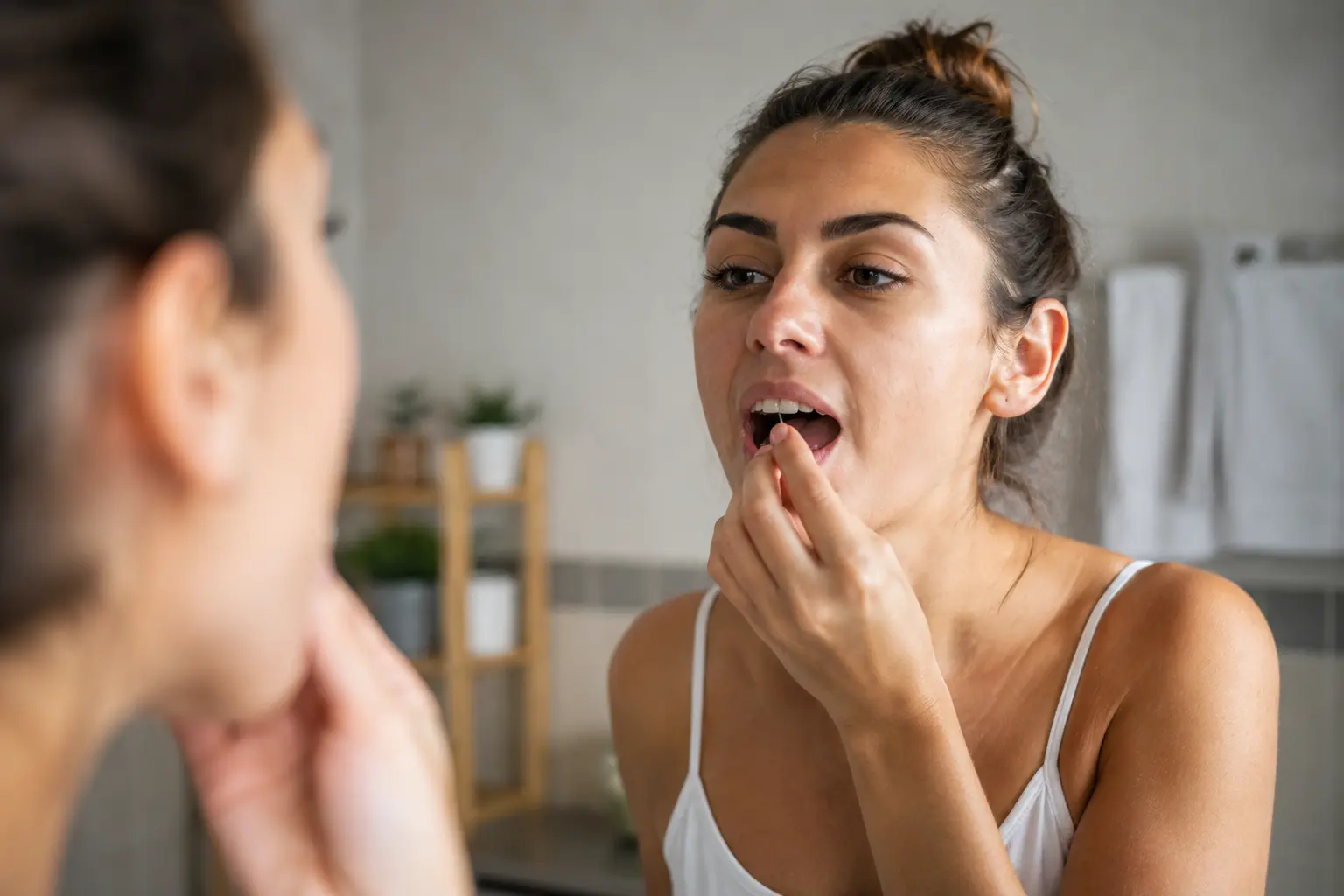
Your mouth feels off, your breath smells no matter how much you brush, and you have no idea why your gums keep acting up—welcome to what happens when your oral microbiome health falls out of balance, and it’s way more common than you think.
What is the oral microbiome?
Your mouth isn’t just a cavity filled with teeth and saliva. It’s actually a thriving ecosystem housing hundreds of different microbial species that work together like a tiny city. These microorganisms, including bacteria, fungi, and viruses, form what scientists call the oral microbiome. Think of it this way: some residents are helpful neighbors who keep your mouth clean and functioning smoothly, while others are troublemakers waiting for the right conditions to cause problems. When this community is balanced and diverse, your mouth stays healthy and your body benefits. The oral microbiome helps break down food during digestion, produces compounds that protect your teeth from decay, and even influences your immune system’s ability to fight infections. Young adults often don’t realize that the choices they make today—what they eat, how they clean their teeth, stress levels—directly shape whether this microbial community thrives or falls apart.
- Supports digestion and nutrient absorption
- Maintains oral health by combating harmful bacteria
- Impacts overall health including heart health and immunity
Factors affecting oral microbiome health
Your oral microbiome isn’t static. It responds constantly to what you do and consume. Diet is one of the biggest players here. When you regularly drink sugary sodas or eat processed snacks, you’re essentially feeding the harmful bacteria that cause cavities and gum disease while starving the beneficial ones. Oral hygiene practices matter too, but not always in the way you’d think. Aggressive brushing or using harsh mouthwash can actually wipe out beneficial bacteria along with the bad ones, leaving your mouth vulnerable. Smoking and tobacco use directly kill off protective microbes and create an environment where disease-causing bacteria flourish. Stress and poor sleep also impact your oral microbiome because they weaken your immune system’s ability to maintain balance. Even medications, antibiotics, and hormonal changes during your twenties and thirties can shift your microbial landscape. The key insight here is that oral microbiome health isn’t about perfection—it’s about understanding these factors and making intentional choices that support diversity and balance.
📘 Fix your day in under 2 minuteschoose where to begin:
Tips for maintaining a healthy oral microbiome
Start with the basics that actually work. Brush twice daily with a soft-bristled toothbrush for two minutes, focusing on the gum line where most microbes live. Floss daily because your toothbrush can’t reach between teeth where imbalances often begin. But here’s where most people miss the mark: what you eat matters as much as how you clean. Swap sugary drinks for water, which keeps your mouth hydrated and supports beneficial bacteria. Include foods rich in fiber, leafy greens, and fermented options like yogurt or kefir that contain probiotics. Limit acidic foods and beverages because they erode tooth enamel and create hostile conditions for good bacteria. Drink plenty of water throughout the day, especially after meals, to help rinse away food particles and maintain saliva flow. Schedule dental check-ups every six months so a professional can catch imbalances early. Consider using a tongue scraper to remove buildup where harmful bacteria hide. Reduce stress through exercise or meditation because chronic stress directly harms your oral microbiome. These aren’t complicated steps, but consistency matters far more than perfection.
Signs of imbalanced oral microbiome
Your mouth sends clear signals when something’s wrong. Persistent bad breath that doesn’t improve with brushing is often the first red flag. You might notice your gums bleed when you floss or brush, or they look swollen and red instead of firm and pink. Tooth decay that seems to happen faster than it should, even when you’re taking care of your teeth, suggests harmful bacteria have gained the upper hand. Oral infections, including thrush (a white coating in your mouth), or recurring canker sores indicate your microbial balance has shifted. Some people experience sensitivity to hot or cold foods, which can signal enamel damage from acid-producing bacteria. You might also notice changes in how your mouth feels, tastes, or smells. The important thing to understand is that these aren’t character flaws or signs you’re doing something fundamentally wrong. They’re your body’s way of telling you that your oral ecosystem needs support. If you notice any combination of these signs lasting more than two weeks, schedule an appointment with your dentist. They can assess whether you’re dealing with a simple imbalance or something that needs targeted treatment.
Holistic approaches to oral microbiome health
Taking care of your oral microbiome means looking beyond just your mouth. Probiotics, whether from fermented foods like sauerkraut and kimchi or from supplements specifically formulated for oral health, introduce beneficial bacteria that can crowd out harmful ones. A balanced diet rich in colorful fruits and vegetables provides the nutrients your beneficial bacteria need to thrive while reducing the fuel available to pathogens. Leafy greens, berries, and cruciferous vegetables are particularly supportive. Stress management through yoga, meditation, or even regular walks directly impacts your oral health because stress hormones suppress immune function. Quality sleep is equally important because your body repairs and rebalances during rest. Consider reducing alcohol consumption and eliminating tobacco, both of which create inflammatory conditions that disrupt microbial balance. Some young adults find success with oil pulling, an ancient practice involving swishing coconut oil in your mouth for a few minutes daily, though research on this is still emerging. The broader point is that your oral health doesn’t exist in isolation. It’s deeply connected to your overall lifestyle, stress levels, sleep quality, and dietary choices. When you treat your whole self with care, your oral microbiome naturally follows.
Your oral microbiome is a living ecosystem that directly affects your teeth, gums, and overall health. Understanding what it is and how it works gives you the power to support it through practical daily choices. Focus on consistent oral hygiene, intentional eating habits, stress management, and regular professional care. When you notice signs of imbalance, don’t wait—reach out to your dentist. The good news is that your oral microbiome responds quickly to positive changes, often improving within weeks when you shift your habits. Start with one or two changes this week, build from there, and trust that small, consistent actions add up to real results.
How does diet impact the oral microbiome?
Diet is one of the most powerful tools you have to shape your oral microbiome. When you consume sugary and acidic foods regularly, you’re feeding harmful bacteria that produce acid and cause tooth decay. These bacteria multiply rapidly in this environment, while beneficial bacteria struggle to survive. On the flip side, a diet rich in whole foods, vegetables, and nutrients supports a diverse microbial community. Fiber feeds good bacteria, while foods containing natural antimicrobials like garlic and ginger help suppress pathogens. Even small dietary shifts, like replacing soda with water or adding a serving of fermented food daily, can noticeably improve your oral microbiome within a few weeks.
Can probiotics help restore balance to the oral microbiome?
Probiotics work by introducing beneficial bacteria that compete with harmful ones for space and resources in your mouth. When you consume probiotic-rich foods like yogurt, kefir, miso, or tempeh, or take oral probiotics specifically designed for dental health, these good bacteria establish themselves and create an environment where pathogens struggle to thrive. They also produce compounds that lower pH and create conditions hostile to cavity-causing bacteria. Not all probiotics are equal though—look for strains specifically studied for oral health like Lactobacillus salivarius or Streptococcus salivarius. Consistency matters more than occasional use, so incorporating probiotics into your routine regularly will give you better results than sporadic supplementation.
Disclaimer: This article is for informational purposes only and is not a substitute for professional medical advice. Always consult a healthcare professional for personal guidance.
This guide has been prepared and reviewed by the GlobalHealthBeacon editorial team and reflects current medical research as of 2026. It provides structured, evidence-based information to support informed health decisions.
