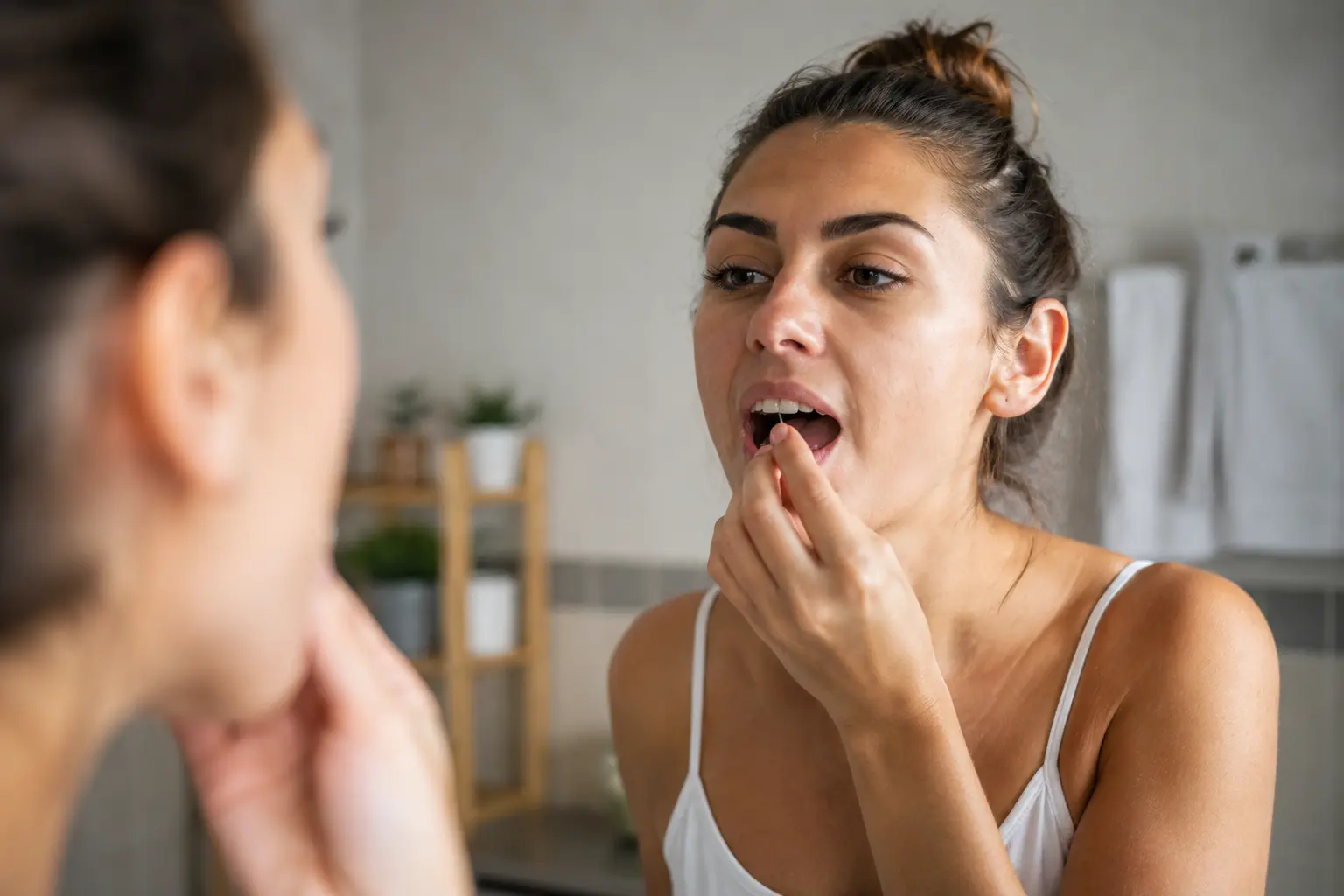
Your gums bleed when you floss, your breath never feels fresh no matter what you do, and you’re tired of feeling like something is off in your mouth—it’s time to understand your oral microbiome health and take real control of what’s happening inside.
The importance of oral microbiome health
Think of your mouth as a living ecosystem. Inside, trillions of microorganisms exist in a delicate balance, working together to protect your teeth and gums from harmful invaders. When this community thrives, you experience fewer cavities, healthier gums, and even better overall immunity. Your oral microbiome acts as a first line of defense against pathogens that could otherwise spread throughout your body. Women especially need to understand this because hormonal fluctuations throughout your life—from your teens through menopause—can shift this balance. A woman in her thirties might notice her gums become more sensitive during certain times of her cycle, or another might experience unexpected bleeding after years of stable oral health. These shifts aren’t random; they reflect changes in your microbial community. When you nurture a balanced oral microbiome through consistent habits, you’re essentially supporting your immune system’s ability to fight infection, reduce inflammation, and maintain the structural integrity of your teeth and bone.
- Maintain good oral hygiene practices like regular brushing and flossing.
- Eat a balanced diet rich in fruits, vegetables, and probiotic foods.
- Avoid excessive use of antibiotics and mouthwashes that can disrupt the oral microbiome.
Common oral microbiome imbalances
When your oral microbiome falls out of balance, harmful bacteria multiply unchecked and beneficial bacteria decline. This imbalance, called dysbiosis, creates conditions where cavities, gum disease, and persistent bad breath thrive. You might notice your gums feel tender or swollen, or perhaps you develop small white patches on your tongue. Some women report a metallic taste or sensitivity that wasn’t there before. A common scenario: you’ve always had good oral hygiene, but suddenly you develop bleeding gums and your dentist finds early signs of gingivitis. This might signal that your microbial balance has shifted, possibly triggered by stress, a course of antibiotics, or dietary changes. Another woman might struggle with recurring canker sores or oral thrush, both signs that protective bacteria have diminished. The key is recognizing these warning signs early. When you understand what imbalance looks and feels like, you can take proactive steps to restore harmony before minor issues become serious dental problems that require expensive treatment.
📘 Fix your day in under 2 minuteschoose where to begin:
Natural ways to support oral microbiome health
Supporting your oral microbiome naturally means working with your body’s own healing capacity rather than against it. Oil pulling, an ancient practice where you swish coconut or sesame oil in your mouth for 10-20 minutes, helps reduce harmful bacteria and promote beneficial ones. Herbal mouth rinses made from sage, chamomile, or myrrh offer antimicrobial benefits without the harsh chemicals in commercial mouthwashes that strip away your protective bacteria. Probiotic supplements designed for oral health introduce beneficial strains directly into your mouth. You can also eat fermented foods like yogurt, kefir, sauerkraut, and kimchi to support your overall microbial health, which influences your mouth. Consider this example: a woman struggling with recurring gum inflammation started oil pulling three times weekly and added a daily probiotic supplement. Within six weeks, her gum swelling decreased noticeably and her dentist observed improved tissue health. These natural approaches work gradually but sustainably, building resilience in your oral ecosystem rather than creating dependency on antibacterial products.
The role of hormones in oral health
Your hormones are powerful regulators of your oral microbiome, and understanding this connection empowers you to anticipate and manage changes. During your menstrual cycle, rising estrogen levels can increase blood flow to your gums, making them more sensitive and prone to inflammation. Many women notice their gums swell or bleed more heavily during the luteal phase of their cycle. Pregnancy brings dramatic hormonal shifts that can trigger pregnancy gingivitis, where gums become inflamed and bleed easily despite good hygiene. Perimenopause and menopause introduce declining estrogen, which reduces saliva production and allows harmful bacteria to flourish more easily. A woman entering menopause might suddenly experience dry mouth, increased cavities, or gum recession she never had before. By tracking these patterns and adjusting your oral care routine accordingly, you can stay ahead of hormonal impacts. During high-hormone phases, increase your flossing frequency and consider more frequent professional cleanings. When estrogen drops, focus on hydration, saliva-stimulating products, and antimicrobial rinses. This targeted approach prevents small hormonal fluctuations from becoming serious dental problems.
Mind-body connection: stress and oral health
Chronic stress doesn’t just affect your mind and body; it directly damages your oral microbiome. When you’re stressed, your body releases cortisol, which suppresses immune function and shifts your oral bacteria toward harmful species. You might notice you clench your jaw, grind your teeth at night, or develop canker sores during stressful periods. A woman managing a demanding job and family responsibilities might find her gum disease worsens during peak stress seasons, even though her habits haven’t changed. Stress also reduces saliva production, which is your mouth’s natural defense against cavity-causing bacteria. The solution involves consistent stress management. Meditation, even 10 minutes daily, lowers cortisol and supports a healthier microbial balance. Yoga and deep breathing exercises activate your parasympathetic nervous system, signaling your body that it’s safe to allocate resources to immune function and saliva production. Progressive muscle relaxation before bed can reduce nighttime teeth grinding. By addressing stress as part of your oral health strategy, you’re treating the root cause rather than just the symptoms, creating lasting improvements in both your microbiome and your overall well-being.
Your oral microbiome health is foundational to your overall wellness, and as a woman, you have unique hormonal and stress-related factors that influence it. By adopting consistent oral hygiene, eating a microbiome-supporting diet, using natural remedies when needed, understanding your hormonal patterns, and managing stress effectively, you create the conditions for a thriving oral ecosystem. Small, intentional changes compound over time, transforming your mouth from a source of frustration into a reflection of genuine health.
How can I naturally improve my oral microbiome health?
Start with foundational habits: brush twice daily with a soft toothbrush, floss once daily, and rinse with plain water rather than harsh mouthwash. Add probiotic-rich foods like yogurt and fermented vegetables to your diet. Try oil pulling 2-3 times weekly with coconut oil, and consider an oral probiotic supplement. Reduce sugar and processed foods, which feed harmful bacteria. Stay hydrated to support saliva production. These changes work together to restore and maintain microbial balance.
How do hormonal changes affect the oral microbiome?
Hormonal fluctuations throughout your menstrual cycle, pregnancy, and menopause directly impact your oral microbiome. Rising estrogen increases gum inflammation and sensitivity. Pregnancy can trigger gingivitis. Declining estrogen during menopause reduces saliva and increases cavity risk. By tracking your hormonal patterns and adjusting your oral care routine accordingly, you can prevent these changes from becoming serious problems. Discuss hormonal impacts with your dentist to create a personalized prevention plan.
Others also read:
Disclaimer: This article is for informational purposes only and is not a substitute for professional medical advice. Always consult a healthcare professional for personal guidance.
This guide has been prepared and reviewed by the GlobalHealthBeacon editorial team and reflects current medical research as of 2026. It provides structured, evidence-based information to support informed health decisions.
