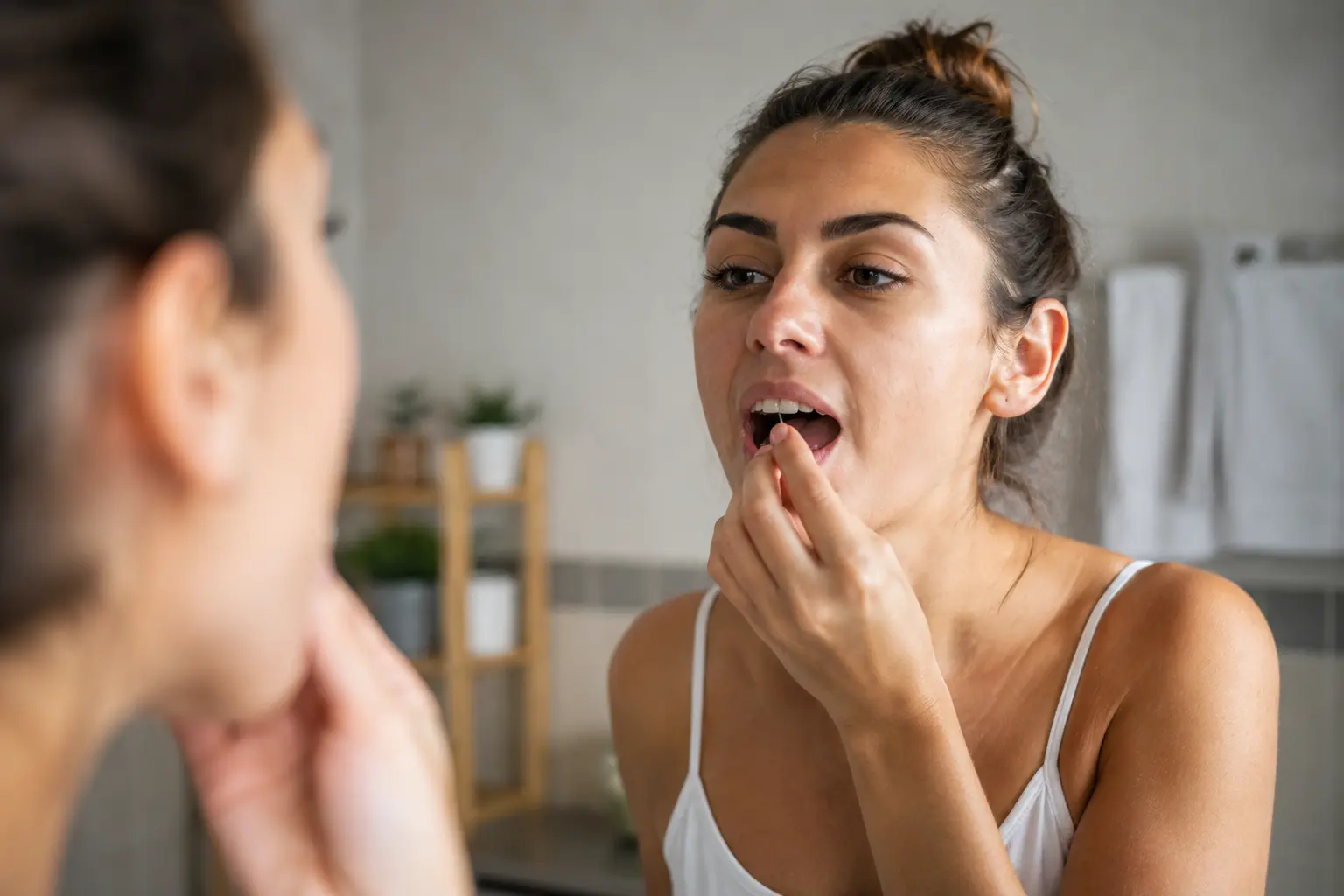
You brush twice a day, floss religiously, but your breath still smells off, your gums bleed when you eat, and nothing seems to fix it because nobody told you that oral microbiome health is the real game-changer your mouth has been screaming for.
Understanding the oral microbiome
Your mouth isn’t just a cavity waiting to happen. It’s a living, breathing ecosystem packed with billions of bacteria, viruses, fungi, and other microorganisms that are either working for you or against you. Think of it like a tiny city inside your mouth where every resident has a job. The good bacteria keep the bad ones in check, maintain your mouth’s pH balance, and protect your teeth from decay. When this ecosystem stays balanced, you get fresher breath, stronger teeth, and fewer infections. But here’s what most young adults don’t realize: your diet, stress levels, sleep quality, and even how aggressively you brush can throw this delicate balance completely off. One week of late-night energy drinks and stress eating can shift your oral microbiome composition in ways that take months to recover from.
- Brush your teeth at least twice a day to remove plaque and prevent oral health problems.
- Incorporate probiotic-rich foods like yogurt and kefir to promote a healthy balance of bacteria in your mouth.
- Limit sugary and acidic foods and drinks that can disrupt the natural pH of your mouth and lead to decay.
Signs of imbalanced oral microbiome
An imbalanced oral microbiome sends out signals, and most young adults miss them until things get serious. You might notice your breath smells bad even after brushing, or your gums bleed when you floss, or you develop canker sores that won’t heal. Maybe you’re dealing with persistent tooth sensitivity or that fuzzy feeling on your tongue that mouthwash doesn’t touch. Some people experience frequent oral thrush or infections that keep coming back despite treatment. The frustrating part is that these symptoms can feel like personal hygiene failures when they’re actually your microbiome waving a red flag. If you’ve been doing everything right but still dealing with these issues, your oral microbiome likely needs rebalancing, not just better brushing technique.
💬 Ready to feel better in 2 minutes?choose where to begin:
Successful strategies for restoring oral microbiome health
Real young adults have cracked the code on this, and it’s not complicated. One strategy that works is switching to gentler oral care products that don’t strip away your mouth’s natural protective layer. Instead of aggressive mouthwash that kills everything indiscriminately, some people use salt water rinses or alcohol-free alternatives that support beneficial bacteria. Adding fermented foods like sauerkraut, kimchi, and kombucha alongside yogurt gives your oral microbiome the probiotic boost it needs. Others have found success by reducing stress through meditation or exercise, since stress hormones directly impact bacterial balance. Some young adults also report improvements by staying hydrated, limiting coffee and energy drinks, and taking breaks from whitening strips that can damage the microbiome. The common thread: small, consistent changes compound into noticeable improvements within weeks.
Maintaining long-term oral microbiome health
Once you’ve restored balance, keeping it stable requires building habits that stick. The real winners establish a daily routine that feels effortless rather than punishing. This means brushing gently with a soft-bristled toothbrush, flossing daily to remove debris between teeth where bad bacteria hide, and using a mouthwash that supports rather than destroys your microbiome. Many young adults schedule quarterly dental cleanings instead of waiting until problems appear, catching imbalances early. They also track patterns in their diet and stress levels, noticing how certain habits trigger flare-ups. Some keep a simple log of symptoms to identify their personal microbiome triggers. The key insight most people miss is that oral microbiome health isn’t a destination you reach and then ignore. It’s an ongoing relationship with your mouth that rewards consistency and attention.
Your oral microbiome isn’t just about having fresh breath or avoiding cavities. It’s about understanding that your mouth is an ecosystem that responds to your choices, and when you support it properly, it supports your entire body. Young adults who’ve invested in oral microbiome health report not just better oral health, but improved confidence, better overall wellness, and fewer health complications down the line. The strategies that work are simple, affordable, and completely within your control.
How often should I brush my teeth to maintain a healthy oral microbiome?
Brush at least twice daily, ideally after meals, using gentle circular motions with a soft-bristled toothbrush. Aggressive brushing can damage your oral microbiome, so focus on removing plaque without stripping away protective bacteria and your mouth’s natural pH balance.
Can probiotics help improve the balance of bacteria in the oral microbiome?
Yes. Probiotic-rich foods like yogurt, kefir, sauerkraut, and kimchi introduce beneficial bacteria that support oral microbiome balance. Consistency matters more than quantity, so incorporating these foods regularly as part of your diet can help restore and maintain a healthier mouth environment over time.
Others also read:
Disclaimer: This article is for informational purposes only and is not a substitute for professional medical advice. Always consult a healthcare professional for personal guidance.
This article presents an experience-based perspective and has been reviewed by the GlobalHealthBeacon editorial team in 2026. It provides structured, evidence-based information to support informed health decisions.
