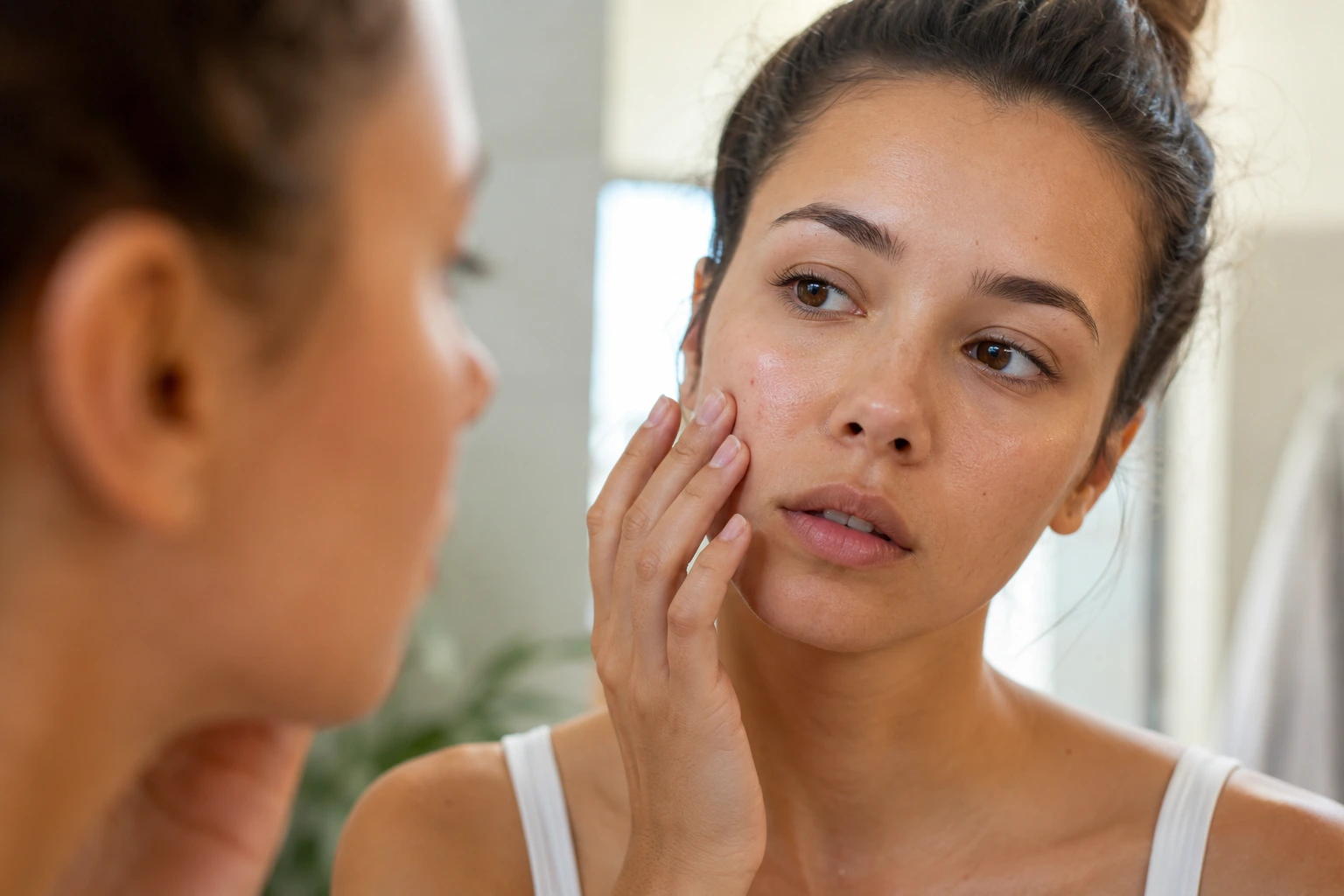
Your skin feels tight, reactive, and angry no matter what you slather on it, and you’re exhausted from the guessing game of what actually works for your skin barrier repair routine.
Understanding the skin barrier: a vital shield
The skin barrier, scientifically known as the stratum corneum, is far more than just the outermost layer of your skin. It’s a sophisticated, multi-layered structure composed of lipids (fats), proteins, and dead skin cells called corneocytes that stack together like bricks in a wall. Think of it as your skin’s personal security system. When this barrier is functioning optimally, it acts as a selective gatekeeper, allowing beneficial moisture to stay locked in while blocking out harmful external invaders like bacteria, viruses, pollution, and irritating chemicals. For young adults navigating everything from environmental stressors to aggressive skincare trends, understanding this barrier becomes crucial. The lipids in your barrier include ceramides, cholesterol, and fatty acids that create a waterproof seal. When this seal is intact, your skin maintains hydration, stays resilient, and looks plump and healthy. When it’s compromised, everything from water loss to bacterial infiltration becomes possible, leading to sensitivity, inflammation, and that frustrating reactive skin feeling.
Factors affecting skin barrier function
Your skin barrier doesn’t exist in isolation. It’s constantly responding to internal and external pressures that either strengthen or weaken it. Genetics play a foundational role; some people are born with naturally robust barriers while others have a genetic predisposition toward sensitivity or conditions like eczema. Environmental factors are equally powerful. Harsh winter air strips moisture, UV radiation damages lipid structures, and pollution particles trigger inflammation. Your daily habits matter tremendously too. Over-cleansing with hot water or stripping cleansers removes natural oils faster than your skin can replenish them. Excessive exfoliation, whether physical or chemical, erodes the barrier by removing too many corneocytes at once. Even stress and poor sleep compromise barrier function because they elevate cortisol, which interferes with lipid production. Dehydration from insufficient water intake or dry indoor environments forces your barrier to work overtime trying to retain moisture. For young adults, common culprits include aggressive acne treatments, frequent makeup use without proper cleansing, and the temptation to use multiple active ingredients simultaneously in pursuit of perfect skin.
Maintaining skin barrier integrity
Barrier maintenance is fundamentally about consistency and gentleness rather than complexity. The goal is to work with your skin’s natural processes instead of against them. Start by reconsidering your cleansing routine. Your cleanser should remove dirt and makeup without leaving your skin feeling tight or squeaky. This means choosing a gentle, pH-balanced formula that respects your skin’s natural acidity. Lukewarm water is your friend; hot water opens pores and increases water loss. After cleansing, hydration becomes essential. Moisturizers containing ceramides and humectants like glycerin or hyaluronic acid help restore the lipid barrier and draw water into the skin. Apply these while your skin is still slightly damp to maximize absorption. Exfoliation requires restraint. Physical scrubs should be gentle and infrequent, while chemical exfoliants should be introduced slowly and used no more than two to three times weekly. Sun protection is non-negotiable because UV damage degrades barrier lipids and proteins. Finally, avoid the temptation to layer multiple active ingredients like retinoids, vitamin C, and acids simultaneously. Your barrier needs time to adapt to new products, typically two to four weeks before introducing something else.
- Use a gentle, pH-balanced cleanser with lukewarm water to remove impurities without stripping natural oils
- Apply moisturizer containing ceramides and humectants to damp skin immediately after cleansing
- Limit exfoliation to two to three times weekly and avoid harsh physical scrubs
- Apply broad-spectrum SPF 30 or higher daily to protect barrier lipids from UV damage
- Introduce new active ingredients slowly, spacing them at least two to four weeks apart
- Stay hydrated by drinking adequate water and using a humidifier in dry environments
- Avoid hot showers and prolonged water exposure that increase transepidermal water loss
🔬 Science-backed benefits in 2 minuteschoose where to begin:
Restoring the skin barrier: key ingredients
When your barrier is already compromised, certain ingredients have strong scientific support for repair. Niacinamide (vitamin B3) is particularly valuable because it stimulates ceramide and cholesterol production while reducing inflammation and sebum overproduction. It’s gentle enough for sensitive skin and works well alongside other ingredients. Hyaluronic acid acts as a humectant, drawing water into the skin and plumping the barrier from within. Ceramides are the literal building blocks of your barrier, so topical ceramides directly replenish what’s been lost. Look for ceramide types 1, 3, and 6-II, which are most similar to those naturally found in skin. Cholesterol and fatty acids work synergistically with ceramides to restore the lipid matrix. Antioxidants like vitamin E, green tea extract, and resveratrol protect barrier components from oxidative damage caused by pollution and UV exposure. Centella asiatica (cica) soothes inflammation and supports collagen production. Panthenol (provitamin B5) enhances skin hydration and has mild anti-inflammatory properties. When shopping for barrier repair products, look for formulations that combine multiple barrier-supporting ingredients rather than relying on a single active. Avoid products with high alcohol content, fragrance, or essential oils, which can irritate a compromised barrier.
Healthy lifestyle practices for skin barrier health
Your skin barrier reflects your overall health status, so systemic support matters as much as topical care. Nutrition plays a foundational role. Essential fatty acids from sources like fatty fish, flaxseeds, and walnuts provide the building blocks for barrier lipids. Antioxidant-rich foods including berries, leafy greens, and colorful vegetables protect against oxidative stress that damages barrier components. Adequate protein intake supports collagen and keratin synthesis, which strengthen barrier structure. Hydration extends beyond drinking water; it includes eating water-rich foods like cucumbers, watermelon, and leafy greens. Sleep is when your body increases growth hormone and collagen production while reducing cortisol, so consistent seven to nine hours nightly directly supports barrier repair. Stress management through meditation, exercise, or hobbies reduces cortisol elevation that suppresses barrier function. Regular physical activity improves circulation, delivering more oxygen and nutrients to skin cells. Limiting alcohol and avoiding smoking protects barrier lipids from oxidative damage. For young adults, these lifestyle factors often feel secondary to skincare products, but they’re actually the foundation upon which all topical treatments build their effects.
Seeking professional advice
While consistent home care resolves most barrier issues within four to eight weeks, persistent problems warrant professional evaluation. A dermatologist can distinguish between a compromised barrier and other conditions like rosacea, eczema, or fungal infections that require different treatment approaches. They can prescribe barrier-repair focused treatments or recommend professional procedures like hydrating facials that support repair without causing irritation. If you’ve tried gentle products and consistent routines without improvement, or if your skin shows signs of infection, severe inflammation, or unusual symptoms, professional guidance becomes essential. Dermatologists can also help identify whether specific products or ingredients are triggering your barrier issues through patch testing or elimination protocols. They understand the nuances of barrier repair in different skin types and can create personalized treatment plans. For young adults dealing with acne, a dermatologist can help balance acne treatment with barrier protection, since many acne medications are inherently drying. Don’t hesitate to seek help if home care isn’t working; barrier issues can worsen without proper intervention, and professional expertise can accelerate your path to healthy, resilient skin.
Your skin barrier is a sophisticated protective system that requires understanding, consistency, and patience to maintain or repair. By recognizing the factors that compromise it, implementing gentle daily practices, using evidence-based ingredients, and supporting your skin through lifestyle choices, you can restore barrier function and achieve the calm, resilient skin that young adults deserve. Professional guidance is always available when needed.
How long does it take to repair a damaged skin barrier?
Barrier repair timelines vary significantly based on damage severity and individual skin characteristics. Mild compromise typically shows improvement within two to four weeks of consistent gentle care. Moderate damage may require six to eight weeks of dedicated barrier support using appropriate products and practices. Severe damage can take three to six months or longer. Factors influencing recovery speed include your age (younger skin repairs faster), genetics, overall health, stress levels, sleep quality, and nutrition. Consistency matters more than perfection; even one day of harsh treatment can reset progress. You’ll notice early signs of improvement through reduced sensitivity, less tightness, and improved hydration before visible changes appear.
Can diet affect skin barrier function?
Yes, diet significantly impacts barrier function because your skin barrier is composed of lipids, proteins, and water that must be supplied through nutrition. Omega-3 and omega-6 fatty acids from fish, nuts, and seeds provide essential building blocks for barrier lipids. Antioxidant-rich foods protect barrier components from oxidative damage. Adequate protein supports collagen and keratin synthesis that strengthens barrier structure. Vitamin C from citrus and berries supports collagen production. Zinc from shellfish and legumes supports skin cell turnover and barrier integrity. Conversely, excessive sugar and processed foods promote inflammation that compromises barrier function. Dehydration from insufficient water intake forces your barrier to work harder to retain moisture. Young adults who prioritize nutrition alongside topical care typically see faster barrier recovery than those relying on products alone.
Others also read:
Disclaimer: This article is for informational purposes only and is not a substitute for professional medical advice. Always consult a healthcare professional for personal guidance.
This article has been prepared and reviewed by the GlobalHealthBeacon editorial team and is based on current medical research and published scientific literature available in 2026. It provides structured, evidence-based information to support informed health decisions.
