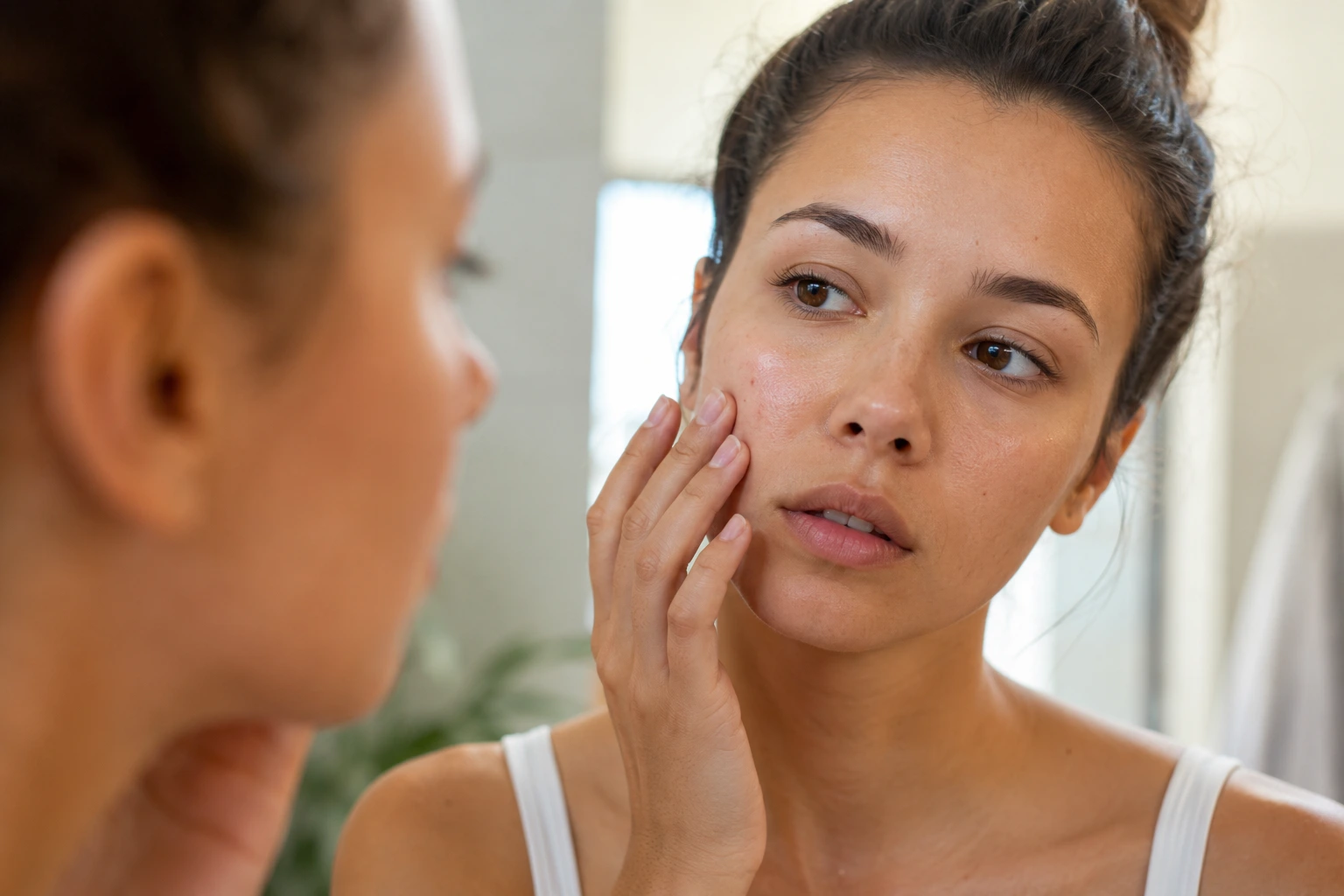
Your skin feels tight, itchy, and reactive to everything you touch, and you’re exhausted from trying random products that promise miracles but deliver nothing but frustration and a skin barrier repair routine that actually works is what you need right now.
Understanding the skin barrier: nature’s protective shield
Your skin barrier is far more than just the surface you see in the mirror. It’s a sophisticated multi-layered system composed primarily of lipids, ceramides, and natural moisturizing factors that work together like a biological fortress. Think of it as your skin’s security team, constantly working to keep harmful invaders out while preventing essential moisture from escaping. This barrier sits on the outermost layer of your skin, called the stratum corneum, and functions as a selective gatekeeper. When functioning optimally, it allows beneficial ingredients to penetrate while blocking bacteria, pollution particles, and environmental toxins. Women often notice their barrier becomes compromised during hormonal shifts, seasonal changes, or after using certain skincare treatments. The barrier’s lipid matrix acts like mortar between bricks, holding skin cells together and maintaining hydration. Without this protective shield, your skin becomes vulnerable to irritation, sensitivity, and accelerated aging. Understanding this fundamental role helps explain why repairing your barrier should be a priority rather than an afterthought in your skincare routine.
Causes of skin barrier damage: identifying the culprits
Barrier damage rarely happens overnight. Instead, it’s usually the result of accumulated stress from multiple sources working against your skin simultaneously. Harsh cleansers strip away natural oils, leaving your skin feeling squeaky clean but actually compromised. Over-exfoliation, whether physical or chemical, removes protective layers faster than your skin can regenerate them. Environmental stressors like cold winter air, hot showers, and pollution create constant assault on your barrier’s integrity. Many women don’t realize that their beloved active ingredients like retinol, vitamin C, or acids can damage the barrier if introduced too aggressively or used too frequently. Dehydration from insufficient water intake and low humidity environments accelerates barrier breakdown. Stress hormones like cortisol actually trigger inflammatory responses that weaken your barrier function. Even sleeping position matters; pressing your face into a pillow all night can create friction damage. Recognizing these triggers is crucial because once you identify what’s harming your barrier, you can eliminate or modify those behaviors and begin genuine repair.
Effective steps to repair your skin barrier naturally
Barrier repair is a methodical process that requires patience and consistency rather than dramatic interventions. Start with gentle cleansing using a mild, hydrating cleanser that removes dirt and makeup without stripping essential oils. Look for cleansers with a pH close to your skin’s natural pH of around 5.5, as alkaline cleansers disrupt barrier function. Follow cleansing with hydration, incorporating a moisturizer rich in ceramides and hyaluronic acid to replenish lost moisture and strengthen the lipid matrix. Apply moisturizer to damp skin to lock in hydration more effectively. Sun protection is non-negotiable because UV damage accelerates barrier degradation and triggers inflammation. Use a broad-spectrum sunscreen daily, even on cloudy days when UV rays penetrate cloud cover. Consider adding a barrier-supporting serum containing niacinamide or centella asiatica before your moisturizer for additional support. Reduce exfoliation to once weekly or eliminate it entirely during repair phase. Avoid hot water, which opens pores and increases transepidermal water loss. These foundational steps create an environment where your barrier can heal naturally.
- Choose a gentle cleanser with a pH around 5.5 suitable for your skin type, avoiding sulfates and harsh surfactants.
- Apply a rich moisturizer containing ceramides and hyaluronic acid to damp skin immediately after cleansing.
- Use a broad-spectrum sunscreen with at least SPF 30 daily, even on overcast days when UV rays still penetrate.
🔬 Science-backed benefits in 2 minuteschoose where to begin:
Repairing the skin barrier: key ingredients and products
Certain ingredients have strong scientific support for their barrier-strengthening properties and should become staples in your repair routine. Niacinamide, also called vitamin B3, reduces inflammation and stimulates ceramide production within your skin cells themselves. Panthenol penetrates the skin and converts to pantothenic acid, which supports the skin’s natural repair mechanisms. Squalane mimics your skin’s natural sebum, providing occlusion without clogging pores or triggering sensitivity. Ceramides NP, AP, and EOP are the specific types most abundant in healthy skin barriers and directly replenish what’s been lost. Centella asiatica, also known as cica, reduces inflammation and supports collagen synthesis. Hyaluronic acid holds up to 1000 times its weight in water, plumping skin and improving hydration at the cellular level. Cholesterol works synergistically with ceramides and fatty acids to restore barrier function. When selecting products, look for these ingredients listed in the first half of the ingredient list, indicating meaningful concentrations. Avoid products with high alcohol content, fragrance, or essential oils during repair phase, as these can irritate compromised barriers. Layering complementary ingredients creates a synergistic effect that accelerates repair.
Lifestyle practices for healthy skin barrier maintenance
Your skin barrier’s health extends far beyond topical products and reflects your overall wellness practices. Staying adequately hydrated supports skin hydration from within, as water is essential for all cellular functions including barrier repair. Eating a balanced diet rich in antioxidants, omega-3 fatty acids, and vitamins provides your skin with building blocks for ceramide and lipid production. Foods like fatty fish, avocados, nuts, and colorful vegetables supply nutrients that directly support barrier function. Getting adequate sleep, ideally seven to nine hours nightly, allows your body to allocate resources toward skin repair and regeneration. During sleep, your skin’s transepidermal water loss decreases and repair mechanisms activate more efficiently. Managing stress through meditation, exercise, or other calming practices reduces cortisol levels that trigger inflammation and barrier breakdown. Avoiding smoking and excessive alcohol consumption prevents oxidative stress that damages barrier components. Maintaining consistent room humidity, especially during winter months, prevents excessive water loss from your skin. These lifestyle factors work synergistically with your skincare routine to create optimal conditions for barrier healing and long-term resilience.
The science behind skin barrier repair: seeking professional guidance
While many barrier issues respond well to consistent home care, persistent problems warrant professional evaluation from a dermatologist or licensed esthetician. Professionals can assess your barrier’s condition using tools like transepidermal water loss measurements and visual examination under magnification. They can identify underlying conditions like rosacea, eczema, or fungal infections that mimic barrier damage but require specific treatment approaches. A dermatologist can recommend prescription-strength barrier repair products containing ingredients unavailable over-the-counter, such as specific ceramide formulations or prescription moisturizers. They can also determine whether your barrier damage stems from an underlying health condition, medication side effect, or genetic predisposition requiring specialized care. Professional treatments like hydrating facials or barrier-repair protocols can accelerate healing when combined with home care. If you’ve been consistently following a repair routine for eight to twelve weeks without improvement, or if your barrier damage is accompanied by severe itching, redness, or signs of infection, professional guidance becomes essential. A personalized approach ensures you’re addressing the root cause rather than just treating symptoms.
Your skin barrier functions as your body’s primary defense against environmental stressors, and understanding its role is foundational to effective repair. The barrier’s lipid-rich composition requires specific ingredients and practices to restore after damage from cleansers, exfoliation, stress, or environmental factors. A successful repair routine combines gentle cleansing, strategic hydration with barrier-supporting ingredients like ceramides and niacinamide, and consistent sun protection. Supporting your barrier through lifestyle practices including hydration, nutrition, sleep, and stress management amplifies the effectiveness of topical treatments. When barrier issues persist despite consistent home care, professional guidance from a dermatologist ensures you’re addressing underlying causes and receiving personalized recommendations. By treating barrier repair as a priority rather than an afterthought, you create the foundation for resilient, healthy skin that ages gracefully and responds well to other skincare treatments.
How long does it take to repair a damaged skin barrier?
Barrier repair timelines vary significantly based on damage severity, individual skin characteristics, and consistency of care. Mild barrier compromise may show improvement within two to four weeks of consistent, appropriate skincare. More significant damage typically requires six to twelve weeks of dedicated repair routines before noticeable improvement. Factors affecting timeline include your age, overall health, genetic predisposition, and whether you’ve eliminated the behaviors causing damage. Some women see initial improvements like reduced sensitivity within one to two weeks, while visible improvements in texture and appearance take longer. Consistency matters more than intensity; daily adherence to a gentle routine produces better results than sporadic intensive treatments. Individual skin conditions like eczema or rosacea may require longer repair periods or professional intervention. Patience during the repair phase is essential, as rushing the process by reintroducing harsh products or aggressive treatments can restart the damage cycle.
Can over-exfoliation damage the skin barrier?
Yes, over-exfoliation is one of the most common causes of barrier damage among women seeking to improve their skin. Exfoliation removes dead skin cells, but excessive frequency or aggressive methods strip away protective layers faster than your skin can regenerate them. Physical exfoliants like scrubs combined with chemical exfoliants create compounded damage. Even gentle exfoliants used daily can compromise barrier integrity over time. Over-exfoliated skin exhibits sensitivity to normally tolerated products, increased redness, and a compromised ability to retain moisture. The barrier becomes unable to perform its protective function, allowing irritants to penetrate and water to escape. Recovery from over-exfoliation damage requires eliminating all exfoliation temporarily, sometimes for several weeks or months. Once your barrier has healed, limiting exfoliation to once weekly with a gentle method helps maintain barrier health. Many dermatologists recommend that women with compromised barriers avoid exfoliation entirely during the repair phase, allowing the skin’s natural cell turnover to handle dead skin removal.
Others also read:
Disclaimer: This article is for informational purposes only and is not a substitute for professional medical advice. Always consult a healthcare professional for personal guidance.
This article has been prepared and reviewed by the GlobalHealthBeacon editorial team and is based on current medical research and published scientific literature available in 2026. It provides structured, evidence-based information to support informed health decisions.
