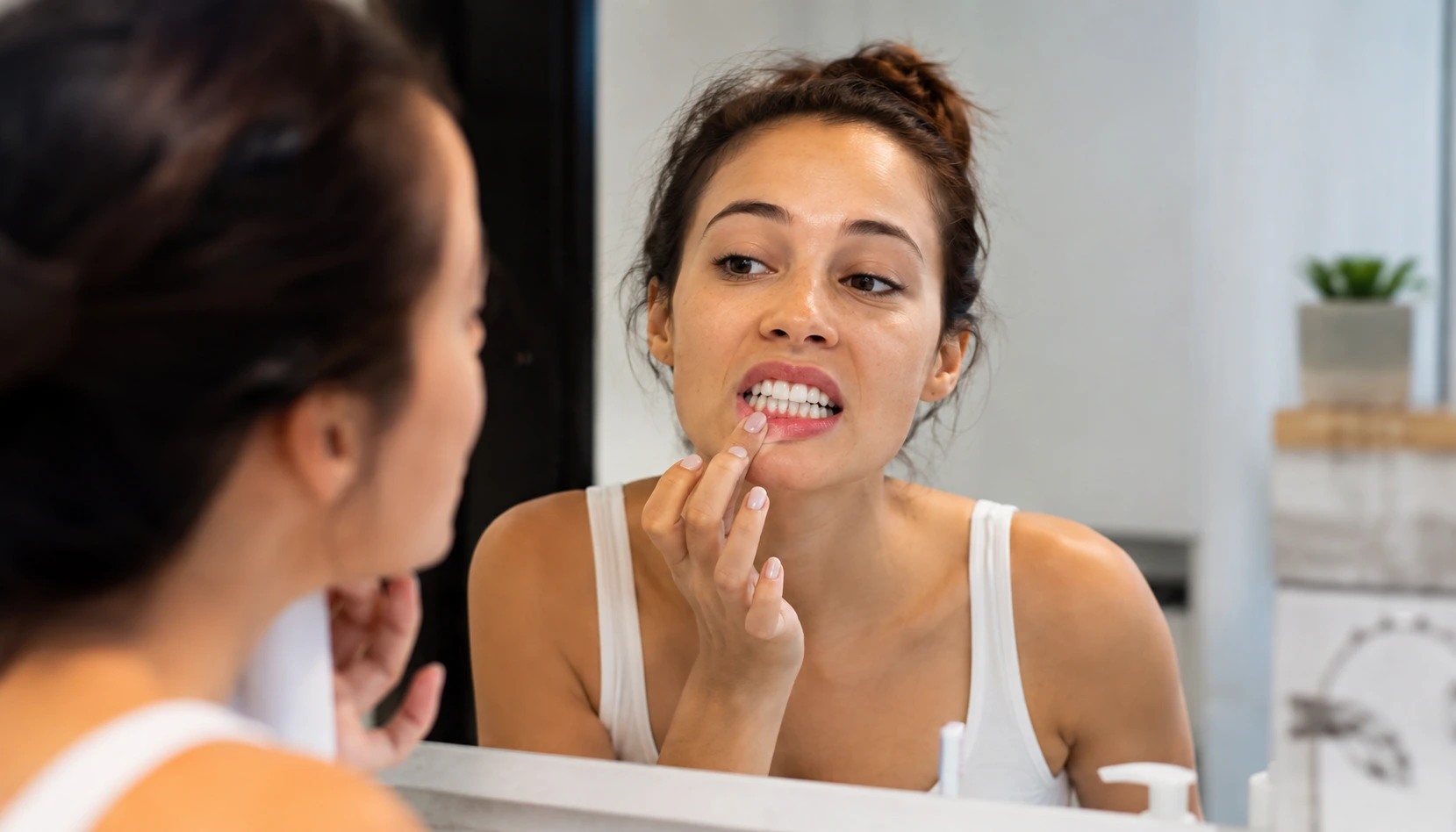
You want that bright, confident smile, but every whitening product comes with a warning label that makes you pause and wonder if you’re about to accidentally destroy your teeth, and honestly, teeth whitening safety is the one thing standing between you and a smile you actually feel good about.
Understanding teeth whitening safety
Teeth whitening is everywhere right now, and it’s tempting to jump into any treatment that promises results. But here’s the reality: not all whitening methods are created equal, and what works for your friend might not be safe for you. Your teeth are unique. Some people have naturally thinner enamel, others deal with existing sensitivity, and some have dental work like crowns or fillings that won’t whiten at all. Before you buy that kit online or book an appointment, you need to understand what’s actually happening to your teeth during whitening. The process works by using peroxide-based bleaching agents that penetrate the enamel and break down stain molecules. Sounds simple, but the concentration matters. Professional treatments use higher concentrations under controlled conditions, while over-the-counter products are weaker but still carry risks if misused. Consulting a dental professional first isn’t just smart, it’s essential. They can assess your enamel thickness, check for cavities or gum disease, and recommend a whitening approach tailored to your specific situation.
- Always choose reputable products and follow the instructions carefully.
- Be aware of potential side effects like tooth sensitivity and gum irritation.
- Consider professional treatments under the supervision of a dentist for optimal safety.
Safe DIY teeth whitening methods
If you’re the type who prefers handling things yourself, there are gentler options that can still deliver results without the harsh chemicals. Baking soda is one of the most researched natural whitening agents, and it works by gently abrading surface stains without aggressive bleaching. You can mix it with water to form a paste and brush gently for two minutes, a few times per week. Activated charcoal has gained popularity too, though the science is mixed. It’s highly porous and can absorb surface stains, but it’s also abrasive, so use it sparingly. Oil pulling, an ancient practice involving swishing coconut oil in your mouth, won’t dramatically whiten your teeth but can support overall oral health. The key with DIY methods is patience and restraint. Your enamel doesn’t regenerate, so aggressive or frequent whitening damages it permanently. If you’re using any natural method, stick to two or three times per week maximum and stop if you notice increased sensitivity. Many young adults make the mistake of assuming natural equals safe, then overuse these methods because they seem harmless. They’re not harmless if overused. Moderation is genuinely the difference between a brighter smile and regret.
📘 Fix your day in under 2 minuteschoose where to begin:
Protecting your oral health
Whitening only works if your foundation is solid. Think of your teeth like a house: you wouldn’t paint the exterior if the foundation was cracking. Start with the basics. Brush twice daily with a soft-bristled toothbrush, floss every single day, and use a fluoride mouthwash to strengthen enamel. These habits prevent new stains from forming and keep your gums healthy, which is critical because gum disease can make your teeth look darker and compromise the whitening process. Next, be strategic about what you consume. Coffee, red wine, dark sodas, and even certain teas stain teeth quickly. You don’t have to eliminate these entirely, but use a straw when drinking them and rinse your mouth with water afterward. Smoking and tobacco products are among the worst offenders for staining and gum damage. If you’re whitening your teeth, this is the perfect time to quit or cut back. Schedule dental check-ups every six months, not just annually. Your dentist can catch problems early, remove tartar buildup that dulls your smile, and monitor whether your whitening approach is working or causing damage. They’re also your best resource for touch-ups and adjustments to your routine.
The risks of over-whitening
This is where many young adults go wrong. You see results after one week and think, why wait? Let me do another round. Over-whitening is real, and the consequences are permanent. Excessive bleaching erodes enamel, the hard outer layer protecting your teeth. Once enamel is gone, it doesn’t come back. What you’re left with is exposed dentin, the softer layer underneath, which is more prone to decay and sensitivity. Imagine biting into ice cream and feeling a sharp pain shoot through your tooth. That’s what over-whitening sensitivity feels like, and it can last for months. Your gums are equally vulnerable. Peroxide irritates gum tissue, causing inflammation, bleeding, and recession. Gum recession is serious because it exposes the root of your tooth, which is softer and more susceptible to decay. The recommended guideline is simple: professional whitening treatments should be spaced at least two weeks apart, and home treatments should follow product instructions without deviation. If you’re using a whitening strip, don’t leave it on longer than directed. If you’re using gel trays, don’t overload them. If you notice sensitivity or gum irritation, stop immediately and wait at least a month before resuming. Your teeth need time to recover between treatments. This isn’t weakness, it’s wisdom.
Long-term whitening strategies
A bright smile isn’t a one-time achievement, it’s a lifestyle choice. If you want lasting results, shift your mindset from quick fixes to sustainable habits. Start by eliminating or reducing the biggest culprits: tobacco, excessive coffee or wine, and sugary drinks. These habits damage your teeth in multiple ways, not just staining. Tobacco increases gum disease risk, coffee and wine stain and erode enamel, and sugar feeds bacteria that cause decay. Your diet matters too. Foods high in calcium and phosphorus, like cheese, almonds, and leafy greens, strengthen enamel. Crunchy fruits and vegetables like apples and carrots naturally clean your teeth as you chew. Staying hydrated keeps your mouth producing saliva, which is your natural defense against stains and decay. Once you’ve established a solid routine, maintenance whitening is key. Professional touch-ups every six to twelve months keep your smile bright without overdoing it. Your dentist can recommend the right frequency based on your lifestyle and enamel condition. Some young adults benefit from occasional at-home maintenance with lower-concentration whitening trays, while others do better with professional treatments only. The goal is consistency, not intensity. A smile that stays moderately bright year-round is better than one that’s aggressively whitened once then neglected.
Teeth whitening safety is paramount for a healthy smile. Understand the risks, opt for natural methods, maintain good oral hygiene, avoid over-whitening, and consult with professionals for long-term strategies.
Are home whitening kits safe for young adults?
Home whitening kits can be safe if used correctly. Follow the instructions provided and consult with a dentist before starting any treatment to ensure it’s appropriate for your dental health.
Can teeth whitening damage my enamel?
Excessive or improper teeth whitening can damage enamel. It’s crucial to follow recommended guidelines, use reputable products, and seek professional advice to safeguard your oral health.
Disclaimer: This article is for informational purposes only and is not a substitute for professional medical advice. Always consult a healthcare professional for personal guidance.
This guide has been prepared and reviewed by the GlobalHealthBeacon editorial team and reflects current medical research as of 2026. It provides structured, evidence-based information to support informed health decisions.
