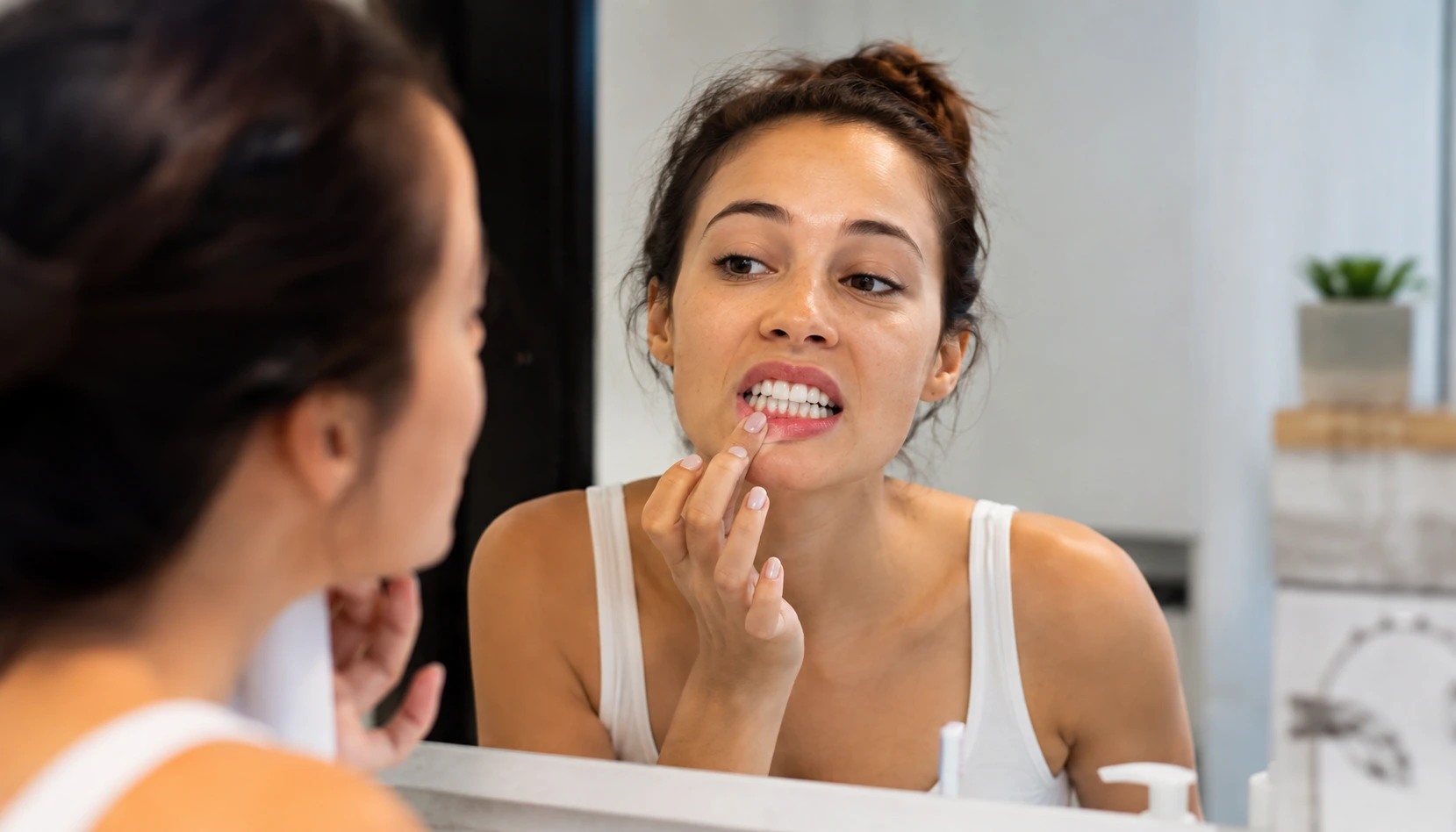
Your teeth are yellowing no matter how hard you brush, and teeth whitening safety is the only thing standing between you and that brighter smile you’ve been craving.
Understanding teeth whitening safety
Teeth whitening is a common cosmetic procedure that involves bleaching your teeth to remove stains and discoloration. While it can enhance your smile, safety is a primary concern that deserves real attention. Most teeth whitening procedures are considered safe when performed by a dental professional following the necessary precautions. Think of it this way: your teeth are porous, and bleaching agents work by penetrating the enamel to break down stain molecules. When done correctly, this process is controlled and reversible. However, when done carelessly or with unregulated products, you risk sensitivity, gum damage, or weakened enamel. A professional dentist understands your specific tooth structure, existing conditions, and can customize the treatment strength to match your needs. They also have access to higher-quality bleaching agents and protective barriers that over-the-counter products simply cannot match. The key difference between safe and unsafe whitening often comes down to professional guidance and proper application.
- Consult your dentist before opting for any teeth whitening treatment.
- Choose reputable products or services that comply with safety standards.
- Understand the risks associated with teeth whitening, such as tooth sensitivity and gum irritation.
- Follow the instructions provided by your dentist or the product manufacturer for optimal results.
- Consider the potential impact on existing dental restorations, such as crowns or fillings.
Factors to consider before whitening your teeth
Before undergoing a teeth whitening treatment, consider factors like your overall oral health, existing dental work, and any pre-existing conditions. Your dentist needs to know if you have cavities, exposed root surfaces, or receding gums because these areas are more vulnerable to bleaching agents. If you have crowns, veneers, or bonded fillings, whitening won’t affect them the same way it affects natural teeth, which can create an uneven appearance. Sensitivity is another critical factor. If you already experience tooth sensitivity when eating ice cream or drinking hot coffee, whitening could amplify that discomfort significantly. It’s essential to disclose any allergies or sensitivities to your dentist to avoid adverse reactions during the whitening process. Women who are pregnant or breastfeeding should wait, as the long-term effects on developing babies remain unclear. Additionally, certain medications can increase tooth sensitivity or affect how your teeth respond to bleaching. Taking time to evaluate these factors upfront prevents complications and ensures you get results that actually work for your unique situation.
📘 Fix your day in under 2 minuteschoose where to begin:
Types of teeth whitening methods
There are various teeth whitening methods available, each with distinct advantages and limitations. In-office professional whitening uses high-concentration bleach applied by a dentist, typically showing results in one to two hours. This method offers the fastest results and the most control, making it ideal if you have an important event coming up. At-home kits prescribed by your dentist use custom-fitted trays and lower-concentration gel, taking several days to weeks but offering convenience and gradual results. Over-the-counter whitening strips and gels are affordable and accessible, though they use even lower concentrations and may not fit your teeth perfectly, potentially causing uneven whitening or gum irritation. Natural remedies like activated charcoal or baking soda are popular but lack scientific backing and can actually be abrasive, damaging enamel over time. Each method has its own set of pros and cons, so it’s crucial to understand the differences before choosing a whitening option that suits your needs, budget, and timeline. Your dentist can recommend which approach aligns best with your teeth’s current condition and your whitening goals.
Maintaining results safely
After undergoing a teeth whitening treatment, your results aren’t permanent, and how you care for your teeth directly determines how long they last. Most whitening effects fade within six months to two years depending on your habits and the method used. The key is avoiding staining foods and drinks like coffee, red wine, berries, and dark sauces for at least 48 hours after treatment, when your teeth are most porous and absorbent. It’s important to maintain your results by practicing good oral hygiene habits. Regular brushing with a soft-bristled toothbrush twice daily, flossing once daily, and dental check-ups every six months can help prolong the effects of teeth whitening and ensure the health of your smile in the long run. Consider using a whitening toothpaste designed for maintenance, though avoid overusing it as it can be slightly abrasive. If you smoke or use tobacco products, quitting will dramatically extend your whitening results. Some women benefit from touch-up treatments every six to twelve months to maintain their desired shade. Think of whitening maintenance like maintaining any investment in your health: small, consistent actions compound into lasting results.
Consultation and follow-up care
Schedule regular follow-up appointments with your dentist to monitor the effects of your teeth whitening treatment and catch any emerging issues early. Your dentist can assess whether your teeth are responding well, check for any enamel erosion, and evaluate your gum health after treatment. If you experience any unusual symptoms or side effects, consult your dental professional immediately for proper guidance and care. Common side effects like temporary sensitivity usually resolve within a few days, but persistent pain or gum swelling warrants professional attention. During follow-up visits, your dentist can also recommend touch-up treatments tailored to your needs and discuss whether your current whitening approach is sustainable long-term. Some women find that professional touch-ups every six months work better than at-home maintenance, while others prefer the flexibility of at-home kits. Your dentist can help you develop a personalized plan that fits your lifestyle, budget, and whitening goals. Think of these appointments as checkpoints where you and your dentist ensure your smile stays bright and healthy without compromising the integrity of your teeth.
Teeth whitening is generally safe when done under professional supervision and following recommended guidelines. Consider your oral health, follow-up care, and maintenance routines to ensure a safe and effective whitening experience.
Is teeth whitening safe for pregnant women?
While teeth whitening treatments are generally safe, it’s recommended for pregnant women to avoid them due to potential risks. Consult your healthcare provider for personalized advice.
Can teeth whitening cause permanent damage to enamel?
Overusing teeth whitening products or undergoing excessive treatments can lead to enamel damage. It’s essential to follow your dentist’s recommendations and guidelines to prevent harm to your enamel.
Others also read:
Disclaimer: This article is for informational purposes only and is not a substitute for professional medical advice. Always consult a healthcare professional for personal guidance.
This guide has been prepared and reviewed by the GlobalHealthBeacon editorial team and reflects current medical research as of 2026. It provides structured, evidence-based information to support informed health decisions.
