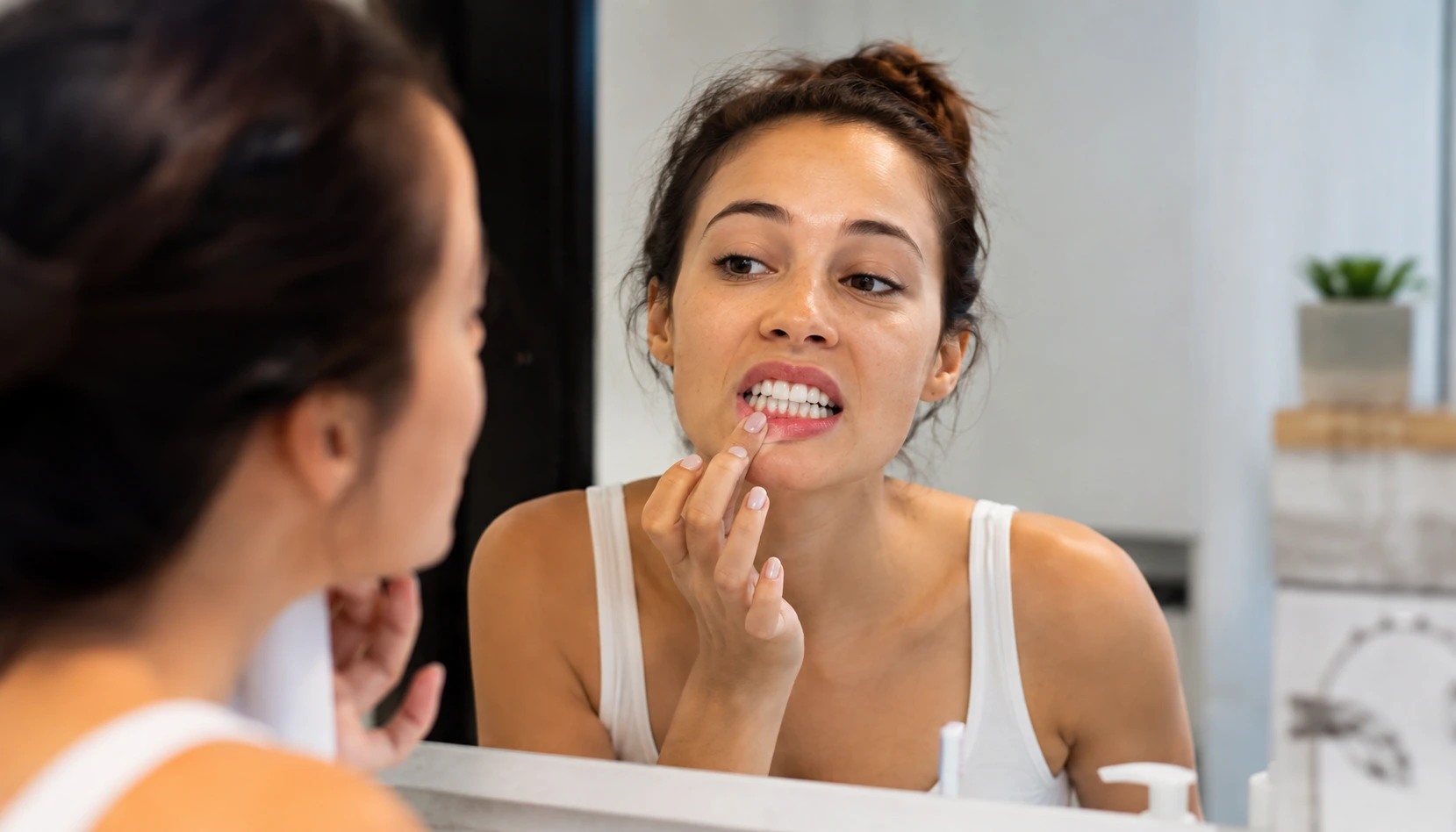
You look in the mirror and see yellowed teeth staring back, and suddenly you’re wondering if teeth whitening safety is even worth the risk at your age, but here’s the truth: getting a brighter smile doesn’t mean compromising your dental health.
Understanding teeth whitening safety
Teeth whitening safety starts with knowing what you’re actually putting on your teeth. Think of it like choosing a medication: you wouldn’t take a pill without understanding what it does, right? The same applies here. Different whitening products contain different active ingredients, usually hydrogen peroxide or carbamide peroxide, and they come in varying concentrations. A 3% solution works very differently from a 15% solution. Over-the-counter kits might seem convenient and affordable, but they can cause real problems if misused: tooth sensitivity that makes eating ice cream painful, gum irritation that leaves your mouth sore, or uneven whitening that makes your smile look patchy. Professional whitening supervised by a dentist, on the other hand, is customized to your specific dental situation. Your dentist knows your tooth structure, any existing fillings or crowns, and whether your gums are sensitive. They can adjust the treatment strength and duration to match your needs, which is why dentists consistently recommend professional treatments for seniors who want results without the guesswork.
- Different teeth whitening products vary in their active ingredients and concentrations, impacting the safety and effectiveness of treatment.
- Over-the-counter whitening kits may carry risks if not used properly, leading to tooth sensitivity, irritation of the gums, or uneven whitening.
- Professional teeth whitening procedures supervised by a dentist offer controlled and safe whitening outcomes, tailoring treatments to match specific dental conditions.
Choosing the right teeth whitening method
Picture this: you’re standing in the drugstore aisle looking at whitening strips, trays, and gels, all promising results in days. It’s tempting, especially when they cost a fraction of professional treatment. But here’s what dentists want you to know. At-home kits give you less control over the whitening process. You can’t adjust the concentration if your teeth start feeling sensitive halfway through. You can’t ensure the gel stays only on your teeth and doesn’t irritate your gums. Professional whitening, whether done in-office or prescribed by your dentist for home use, comes with guidance and safety measures. In-office treatments take about an hour and use higher concentrations under professional supervision. Your dentist can apply protective barriers to your gums, monitor your comfort, and stop immediately if something feels wrong. For seniors especially, this peace of mind matters. You’re not guessing whether you’re doing it right. You’re not worried you’ve damaged your teeth. You’re simply getting the results you want, safely.
📘 Fix your day in under 2 minuteschoose where to begin:
Maintaining oral health during whitening
Whitening isn’t a standalone event; it’s part of your overall oral care routine. Think of your mouth as a garden: whitening is like adding fertilizer, but you still need to water and weed regularly. Before you start any whitening treatment, make sure your teeth and gums are in good shape. Brush twice daily with a soft-bristled toothbrush, floss every day, and rinse with mouthwash if your dentist recommends it. Schedule a dental check-up before whitening to catch any cavities or gum disease that could complicate treatment. During the whitening process, stick to your routine. Don’t skip brushing or flossing thinking it might interfere with results. Actually, keeping your mouth clean helps the whitening work better and protects your gums. After whitening, continue these habits. Many seniors find that once they’ve invested in a brighter smile, they’re more motivated to maintain it. Regular dental visits, ideally every six months, help you catch any issues early and keep your teeth healthy long-term.
Managing sensitivity and discomfort
Tooth sensitivity during whitening is so common that dentists expect it and have solutions ready. You might feel a sharp twinge when you drink hot coffee or bite into cold ice cream. Your gums might feel tender or slightly inflamed. This usually happens because the whitening gel temporarily opens pores in your tooth structure, exposing the sensitive inner layer called dentin. The good news: it’s temporary and manageable. Start using desensitizing toothpaste a week or two before your whitening treatment. This toothpaste contains compounds that block sensation from reaching the nerve inside your tooth. Continue using it during and after whitening. Avoid extremely hot or cold foods and drinks while you’re whitening. Skip the hot soup and iced tea for a few days; stick to lukewarm options instead. If sensitivity is severe, ask your dentist about applying fluoride gel or a protective coating to your teeth. Some seniors also find relief by rinsing with salt water or using a soft toothbrush. These discomforts usually fade within a few days after treatment ends, but if they persist beyond a week, contact your dentist to rule out other problems.
Sustaining whitening results safely
You’ve invested time and money in whitening, and now you want those results to last. The reality is that teeth naturally yellow over time, but you can slow the process significantly. After whitening, your teeth are more porous for about 24 to 48 hours, so avoid staining foods and drinks during this window: red wine, coffee, tea, dark berries, and tomato-based sauces. If you do eat or drink these, rinse your mouth with water afterward. Tobacco stains teeth quickly and heavily, so if you smoke or use chewing tobacco, whitening results will fade fast. Quitting or cutting back helps your smile stay bright longer. Practice good oral hygiene: brush twice daily, floss, and use mouthwash. Your dentist might recommend touch-up treatments every six months to a year, depending on your lifestyle and how quickly your teeth naturally yellow. These maintenance treatments are less intensive and less expensive than the initial whitening, making them a practical way to keep your smile looking fresh. Some dentists provide custom trays and whitening gel for at-home touch-ups, which gives you control and convenience while maintaining professional safety standards.
Safe teeth whitening for seniors involves understanding the risks and benefits of different methods, consulting with a dentist for personalized recommendations, and maintaining oral health throughout the whitening process. Managing sensitivity and sustaining whitening results are key aspects of safe teeth whitening practices.
Are over-the-counter whitening kits safe for seniors?
While over-the-counter whitening kits can be safe for seniors, it’s crucial to follow the instructions carefully and consult with a dentist beforehand to ensure suitability for individual dental conditions.
How long do teeth whitening results typically last for seniors?
The longevity of teeth whitening results for seniors can vary depending on lifestyle factors and oral hygiene practices. Regular touch-up treatments and avoiding factors that cause teeth staining can help extend the results.
Others also read:
Disclaimer: This article is for informational purposes only and is not a substitute for professional medical advice. Always consult a healthcare professional for personal guidance.
This guide has been prepared and reviewed by the GlobalHealthBeacon editorial team and reflects current medical research as of 2026. It provides structured, evidence-based information to support informed health decisions.
