You’re stuck in a fitness rut where traditional gym routines feel disconnected from real life, leaving you stronger in theory but no better at carrying groceries, playing with your kids, or moving through your day without pain, and functional strength training is the practical reset your body has been asking for.
The basics of functional strength training
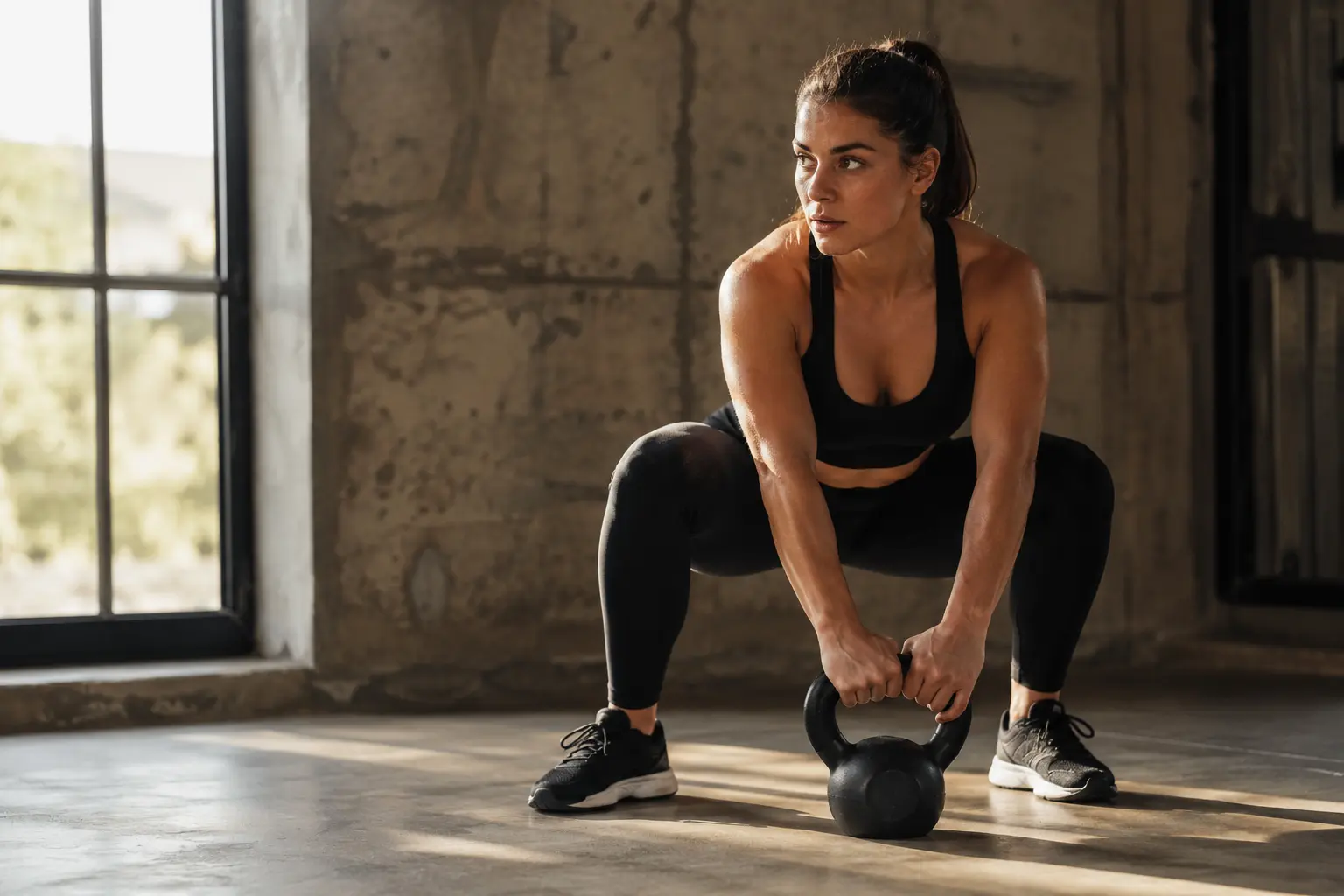
Functional strength training strips away the isolation exercises and focuses on movements your body actually performs. Instead of sitting on a machine that targets one muscle group, you perform compound movements like squats, lunges, and rotational core work that engage multiple joints and muscle groups simultaneously. Picture yourself reaching for items on a high shelf, bending to pick up a heavy box, or stabilizing yourself on uneven ground. These real-world scenarios demand coordination, balance, and strength working together. Functional exercises train your nervous system to recruit muscles in the same patterns your body uses daily. A squat, for example, strengthens your legs, core, and stabilizer muscles all at once, preparing you for everything from climbing stairs to lifting a child. This integrated approach builds resilience and agility that translates directly into your life outside the gym.
- Enhances everyday movements
- Improves balance and flexibility
- Strengthens multiple muscle groups
Benefits of functional strength training for women
Women often experience unique physical demands throughout their lives, from hormonal changes affecting bone density to the physical toll of caregiving and multitasking. Functional strength training addresses these needs directly. By building a foundation of strength that supports your daily activities, you reduce injury risk significantly. Consider a woman who regularly carries a toddler on one hip while managing household tasks. Functional training strengthens the stabilizer muscles that prevent lower back strain in this exact scenario. Beyond injury prevention, functional movements boost your metabolism more effectively than isolated exercises because they demand more energy and engage more muscle tissue. This metabolic boost supports better weight management and improved body composition. Additionally, functional training enhances bone density, crucial for women as they age, and improves cardiovascular fitness when performed with appropriate intensity and rest periods.
📘 Fix your day in under 2 minuteschoose where to begin:
Getting started with functional strength training
Begin by honestly assessing where you are right now. Can you comfortably squat to pick something up? Do you have balance issues when standing on one leg? Are certain movements painful or restricted? These observations guide your starting point. Set realistic goals that matter to you personally, whether that’s being able to carry laundry upstairs without breathlessness or playing sports with confidence. Start with basic bodyweight movements like wall squats, modified lunges, or supported planks. Progress gradually by adding resistance through dumbbells, resistance bands, or increasing repetitions. A certified trainer or physical therapist can assess your form and identify compensatory patterns you might not notice yourself. Common mistakes include progressing too quickly, which leads to injury, or performing movements with poor form to lift heavier weight. Quality always trumps quantity. Give yourself permission to move slowly and deliberately as you build this foundation.
Key principles for success
Consistency matters more than intensity when building functional strength. Training three times weekly for months produces better results than sporadic intense sessions. Your body adapts to regular stimulus, not occasional effort. Focus on movement quality by performing each exercise with control and proper technique. This means moving slowly through the full range of motion, pausing at the most challenging point, and resisting the urge to rush through repetitions. Listen to your body’s signals. Muscle soreness is normal and expected, but sharp pain is a warning sign to stop and reassess. Adjust intensity based on how you feel, your recovery, and your energy levels. Some weeks you might feel stronger and capable of increased challenge. Other weeks, especially during high-stress periods or hormonal fluctuations, you might need to dial back intensity while maintaining consistency. This flexible approach prevents burnout and keeps you engaged long-term.
Incorporating functional strength training into your lifestyle
The real magic happens when functional training becomes woven into your daily habits, not just something you do at the gym. While doing laundry, practice squats as you pick up clothes from the basket. While cooking, perform calf raises while waiting for water to boil or hold a plank position against the counter. When reaching for items on high shelves, engage your core and practice controlled movements rather than jerky motions. Take the stairs instead of the elevator, walk instead of drive for nearby errands, and stand during phone calls. These micro-movements accumulate and reinforce the patterns you practice during formal training sessions. The goal is to shift your mindset from viewing exercise as something separate from life to recognizing that life itself is an opportunity to practice strength. This integration makes functional training sustainable because it stops feeling like an obligation and becomes a natural expression of how you move through your day.
Functional strength training introduces practical, everyday movements into your workout routine to enhance your physical performance and prevent injuries. By focusing on balance, flexibility, and multiple muscle groups, women can experience improved overall fitness and weight management through consistent and mindful training.
Can functional strength training help women with weight loss?
While functional strength training can boost metabolism and calorie burn, it should be combined with a balanced diet and cardiovascular exercise for effective weight management.
Is functional strength training suitable for beginners?
Beginners can start with basic functional exercises and gradually increase the intensity as they build strength and confidence. It’s recommended to seek guidance from a fitness professional to ensure safe and effective training.
Others also read:
Disclaimer: This article is for informational purposes only and is not a substitute for professional medical advice. Always consult a healthcare professional for personal guidance.
This guide has been prepared and reviewed by the GlobalHealthBeacon editorial team and reflects current medical research as of 2026. It provides structured, evidence-based information to support informed health decisions.
