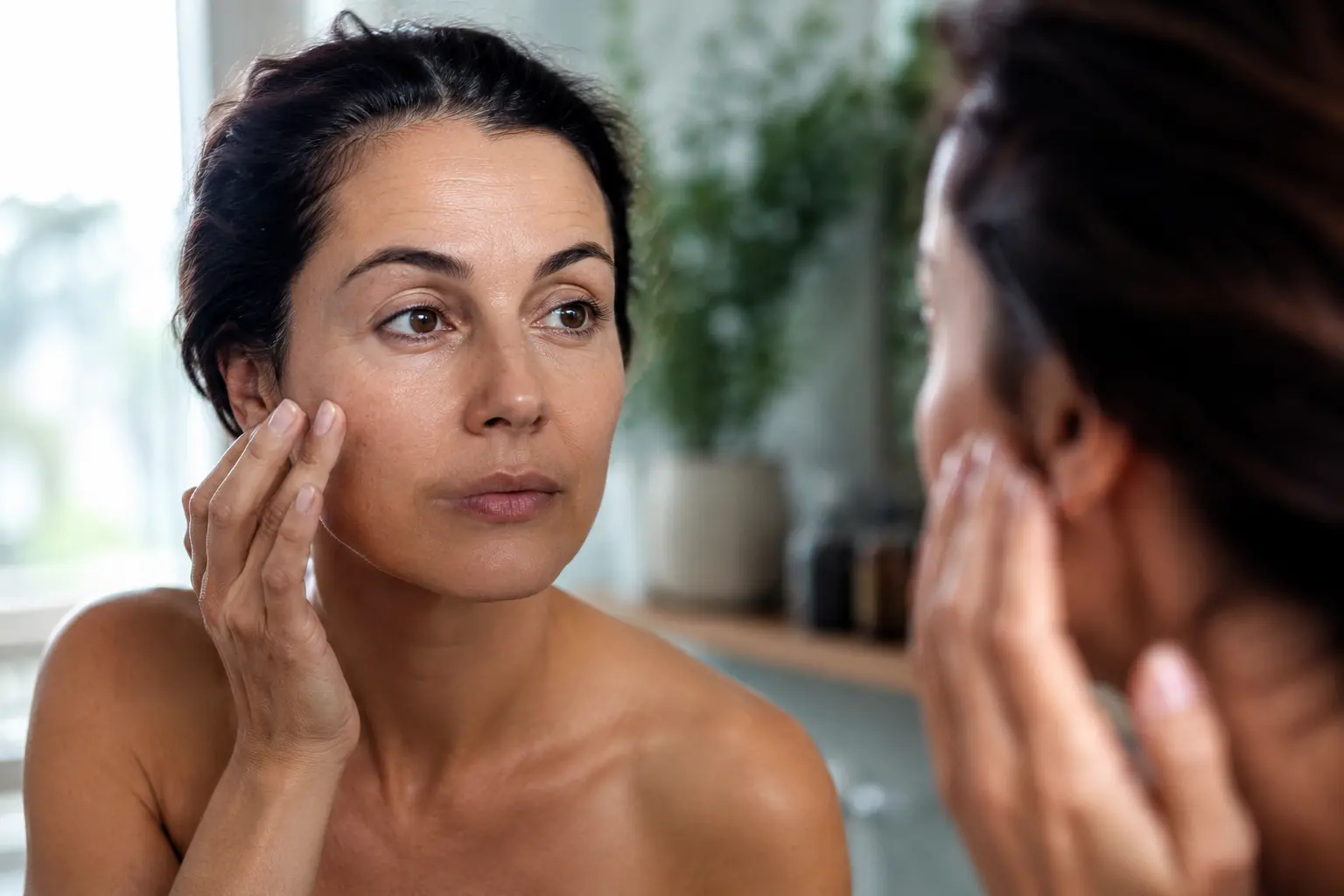
Your skin is showing signs of aging faster than you expected, and no amount of wishful thinking will turn back the clock, but understanding skin longevity explained can genuinely change how your skin looks and feels for decades to come.
Understanding skin aging
Your skin is a living, breathing organ that changes constantly. As you move through your 30s, 40s, and beyond, your body gradually produces less collagen, the protein responsible for keeping skin firm and plump. This isn’t something to panic about; it’s a natural biological process. At the same time, your skin’s ability to turn over dead cells slows down, elastin fibers break down from sun exposure and environmental stress, and your skin barrier becomes more vulnerable to moisture loss. Think of it like this: in your 20s, your skin regenerates roughly every 28 days. By your 50s, that cycle stretches to 40 or 50 days. Fine lines appear first, typically around the eyes where skin is thinnest. Then come deeper wrinkles, particularly around the mouth and forehead where you make repeated expressions. Sagging becomes noticeable as skin loses its structural support. Understanding these changes helps you work with your skin rather than against it, making informed decisions about prevention and treatment before damage accumulates.
- Protect your skin from harmful UV rays by using sunscreen daily with at least SPF 30, applying it every two hours if you are outdoors.
- Stay hydrated by drinking plenty of water to help maintain skin elasticity, aiming for at least eight glasses daily and adjusting for climate and activity level.
- Incorporate antioxidant-rich foods like berries, green tea, dark leafy greens, and fatty fish into your diet to combat free radical damage and support collagen production.
Key skincare habits
A consistent routine is the foundation of skin longevity, but consistency means showing up daily, not necessarily using 10 products. Start with a gentle cleanser suited to your skin type, used morning and night to remove dirt, oil, and makeup without stripping your skin. Exfoliate two to three times weekly using either chemical exfoliants like AHAs or BHAs, which dissolve dead skin cells, or physical exfoliants like a soft brush. This step is crucial because it accelerates cell turnover and allows other products to penetrate deeper. Follow with a hydrating toner or essence to prep your skin for serums. Active ingredients matter here: retinol boosts collagen production and cell renewal, vitamin C brightens and protects against environmental damage, and niacinamide strengthens your skin barrier. Apply serums to damp skin for better absorption. Moisturizer comes next, locking in hydration and creating a protective layer. At night, you can use a richer cream or facial oil. Sunscreen is non-negotiable in the morning, even on cloudy days. Many women skip steps or use products inconsistently, then wonder why results don’t appear. Skin needs at least six to eight weeks to show visible improvement, so patience and discipline are essential.
📘 Fix your day in under 2 minuteschoose where to begin:
Healthy lifestyle choices
What you do outside the bathroom matters just as much as what you do inside it. Your skin reflects your overall health, so prioritize sleep, aiming for seven to nine hours nightly when your body repairs itself and regenerates skin cells. Exercise increases blood flow to your skin, delivering oxygen and nutrients while flushing out toxins through sweat. Aim for 150 minutes of moderate activity weekly. Nutrition is equally important: a diet rich in omega-3 fatty acids, antioxidants, vitamins A, C, and E, and minerals like zinc supports skin structure and healing. Conversely, smoking accelerates collagen breakdown and narrows blood vessels, starving your skin of nutrients and oxygen. Excessive alcohol dehydrates skin and impairs your liver’s ability to detoxify, leading to inflammation and premature aging. Stress triggers cortisol release, which can worsen inflammation and breakouts. Consider stress management practices like meditation, yoga, or journaling. A woman in her mid-40s who overhauled her sleep schedule, cut back on alcohol, and started exercising regularly often sees skin improvements within weeks, sometimes more dramatic than expensive treatments alone could achieve.
Professional treatments
When at-home care reaches its limits, professional treatments offer targeted solutions. Chemical peels use acids to dissolve the outer skin layer, revealing fresher skin beneath and stimulating collagen production. They range from light peels you can do monthly to deep peels requiring recovery time. Microdermabrasion uses tiny crystals or a diamond tip to physically exfoliate, improving texture and fine lines. Laser therapy targets specific concerns: some lasers stimulate collagen, others remove pigmentation or reduce redness. Microneedling creates controlled micro-injuries that trigger your body’s healing response and collagen production. Dermal fillers add volume to hollowed areas, and botulinum toxin relaxes muscles that create expression lines. The key is consulting a qualified dermatologist or licensed esthetician who assesses your skin type, concerns, and realistic expectations before recommending treatments. A woman with significant sun damage might benefit from laser resurfacing, while another with volume loss might choose fillers. Professional treatments aren’t vanity; they’re tools that work synergistically with your skincare routine and lifestyle choices to maintain skin health and appearance.
Protecting your skin barrier
Your skin barrier is a delicate layer of lipids and proteins that keeps moisture in and irritants out. When compromised, it leads to sensitivity, dryness, inflammation, and accelerated aging. Harsh cleansers strip away natural oils, so choose gentle, pH-balanced formulas that cleanse without stripping. Excessive exfoliation damages the barrier, so limit it to two or three times weekly and avoid scrubbing aggressively. Hot showers feel luxurious but open pores and evaporate moisture; lukewarm water is gentler. Products with ceramides, hyaluronic acid, and fatty acids repair and maintain barrier function. Avoid mixing too many active ingredients, which can overwhelm your skin. If you use retinol, don’t combine it with vitamin C or acids on the same night. Many women over-complicate their routines, applying too many products or using incompatible ingredients, then blame their skin when irritation develops. Simplicity and consistency win. A basic routine of cleanser, moisturizer, sunscreen, and one active ingredient, applied correctly and regularly, outperforms a complex routine applied haphazardly. Your barrier is your skin’s best defense against aging.
Maintaining skin longevity involves understanding the natural aging process, adopting key skincare habits, making healthy lifestyle choices, considering professional treatments, and protecting your skin barrier.
Can skincare products really help with skin longevity?
Skincare products can help support skin health and address specific concerns, but it’s essential to combine them with a healthy lifestyle for optimal results.
How important is sunscreen in protecting against skin aging?
Sunscreen is crucial in preventing UV damage, which can accelerate skin aging and increase the risk of skin cancer. Make sunscreen a daily essential in your skincare routine.
Others also read:
Disclaimer: This article is for informational purposes only and is not a substitute for professional medical advice. Always consult a healthcare professional for personal guidance.
This guide has been prepared and reviewed by the GlobalHealthBeacon editorial team and reflects current medical research as of 2026. It provides structured, evidence-based information to support informed health decisions.
