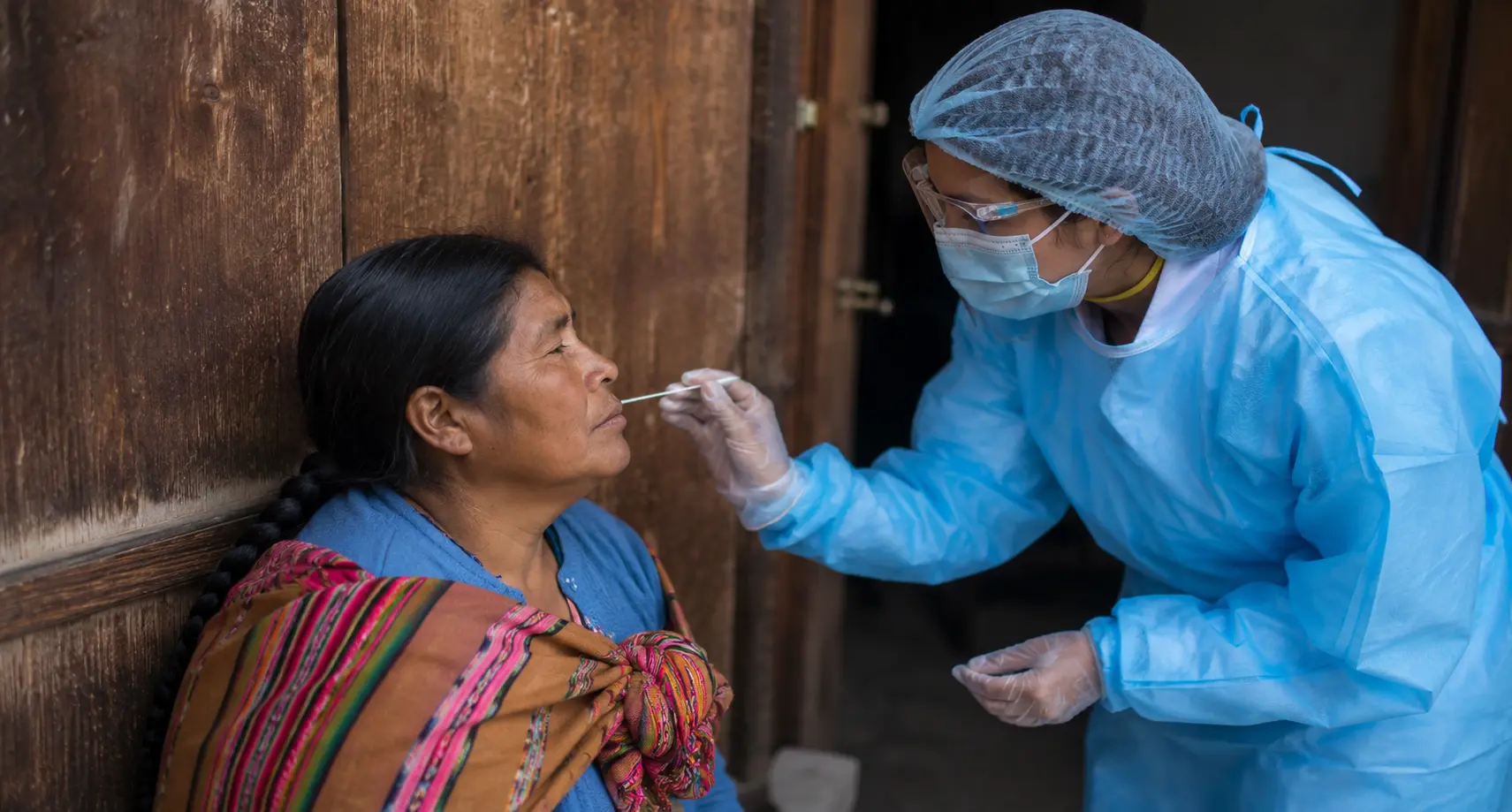
You’re cleaning out the garage and find mouse droppings in the corner, or you notice scratching sounds in your walls at night, and suddenly you’re wondering if you’re at risk for something serious – andes virus explained: it’s a real threat carried by rodents that can cause severe respiratory illness, and knowing how to protect yourself isn’t optional, it’s essential.
Understanding the Andes virus
The Andes virus is a hantavirus transmitted primarily through contact with infected rodents, particularly the long-tailed pygmy rice rat in South America. When you encounter rodent droppings, urine, or saliva, you’re at risk of inhaling viral particles that can trigger a serious respiratory condition. Imagine discovering your storage shed has become a rodent habitat over winter, or finding signs of mice in your kitchen cabinets – these everyday situations represent real exposure points. The virus doesn’t spread person-to-person, which means your primary defense is understanding where rodents hide and how they contaminate spaces. Women working in agriculture, cleaning professions, or managing rural properties face elevated risk. The incubation period ranges from one to four weeks, meaning you might not feel sick immediately after exposure. This delayed response is why awareness matters: you need to recognize both the exposure risk and early warning signs before symptoms become severe.
- Avoid direct contact with rodents or rodent-infested areas.
- Maintain a clean and hygienic living environment to reduce the risk of exposure.
- Be aware of the symptoms of Andes virus infection, including fever, muscle aches, and difficulty breathing.
Practical prevention measures
Prevention starts with making your home inhospitable to rodents. Seal every crack wider than a quarter-inch using steel wool, caulk, or metal flashing – rodents can squeeze through surprisingly small openings. Store all food, including pet food and bird seed, in glass or metal containers with tight-fitting lids; cardboard boxes and plastic bags are easy access points. Clean your kitchen thoroughly each night, removing crumbs and grease that attract rodents. In your bedroom, keep clutter minimal and store items in sealed containers rather than under beds or in closets where rodents nest. When cleaning areas where rodents may have been, wear gloves and a mask, then spray the area with disinfectant before wiping – never dry-sweep rodent droppings, as this releases viral particles into the air. Set traps in corners and along walls where you’ve seen evidence of activity. Take out garbage daily and keep trash cans sealed. If you live in a multi-unit building, coordinate with neighbors on pest control since rodents move between units. Check your home’s exterior monthly for new holes or gaps, especially as seasons change and rodents seek shelter.
📘 Fix your day in under 2 minuteschoose where to begin:
Outdoor safety precautions
When you’re hiking, camping, or working outdoors in areas where rodents are present, your clothing becomes your barrier. Wear long sleeves, long pants tucked into socks, and closed-toe boots to minimize skin exposure. Bring disposable gloves for handling firewood, clearing brush, or touching items that might harbor rodents. Avoid camping directly near rodent burrows, wood piles, or dense brush where nests are common – scout your campsite carefully before setting up. If you’re cleaning a cabin or shed that’s been closed for months, open windows first to ventilate, wait 30 minutes, then wear a mask and gloves while cleaning. Never handle dead rodents with bare hands; use a shovel to place them in a sealed bag for disposal. When hiking in rural areas, stay on marked trails and avoid reaching into crevices or hollow logs where rodents hide. Women working in forestry, agriculture, or outdoor recreation should treat rodent awareness as part of their standard safety protocol, just like checking weather or telling someone where you’re going. If you’re gardening near your home, keep the area rodent-free by removing brush piles and keeping grass trimmed short.
Health monitoring and early detection
Early symptoms of Andes virus infection often mimic flu: fever, muscle aches, fatigue, and sometimes headache. Within three to four days, respiratory symptoms appear – cough, shortness of breath, or chest tightness. This is when the virus becomes dangerous. Keep a simple health log if you’ve had potential exposure: note the date, what you were doing, and any symptoms that develop over the following weeks. Don’t wait to see if symptoms resolve on their own. Contact your doctor immediately if you develop fever and respiratory symptoms after known rodent exposure, or if you’ve been in areas where rodent exposure was possible. Tell your healthcare provider about the potential exposure so they can test specifically for hantavirus rather than assuming you have a common cold. Seek emergency care if you experience severe shortness of breath, chest pain, or difficulty breathing – these indicate the virus is progressing to the pulmonary phase. Keep emergency contact information accessible and let a trusted person know if you’re monitoring for symptoms. Women with underlying respiratory conditions, pregnancy, or compromised immune systems should be especially vigilant and contact their doctor at the first sign of illness.
Community awareness and education
Your knowledge about Andes virus prevention becomes powerful when you share it. Talk with family members, neighbors, and coworkers about rodent control and the importance of sealing homes. If you work in healthcare, schools, or community organizations, advocate for pest control protocols and staff training. Share information about symptoms so others recognize warning signs early. In your community, support local efforts to manage rodent populations through habitat reduction and public education campaigns. If you’re a property manager or landlord, implement regular pest inspections and maintenance to prevent rodent infestations before they become health risks. Women in leadership positions can champion workplace safety policies that address rodent exposure for employees in agriculture, food service, or outdoor industries. Encourage your local health department to provide resources about hantavirus prevention. Create a simple checklist for friends and family covering home sealing, food storage, and cleaning practices. When you normalize conversations about rodent prevention, you reduce the shame or embarrassment some people feel about infestations, making them more likely to address problems early. Community awareness transforms individual prevention into collective protection.
Protecting yourself from the Andes virus requires understanding how transmission occurs, taking concrete steps to rodent-proof your home and workspace, practicing caution during outdoor activities, monitoring your health for early symptoms, and sharing knowledge within your community. The virus is preventable through vigilance, but early detection and medical attention are critical if exposure occurs. By combining personal prevention habits with community education, you significantly reduce your risk and help protect those around you.
What are the main symptoms of Andes virus infection?
Common symptoms of Andes virus infection include fever, muscle aches, fatigue, and respiratory difficulties. In severe cases, the virus can lead to respiratory failure and even death.
Is there a vaccine available for the Andes virus?
Currently, there is no specific vaccine or antiviral treatment for the Andes virus. Prevention focuses on avoiding rodent contact, maintaining hygiene, and seeking prompt medical care if symptoms occur.
Others also read:
Disclaimer: This article is for informational purposes only and is not a substitute for professional medical advice. Always consult a healthcare professional for personal guidance.
This guide has been prepared and reviewed by the GlobalHealthBeacon editorial team and reflects current medical research as of 2026. It provides structured, evidence-based information to support informed health decisions.

