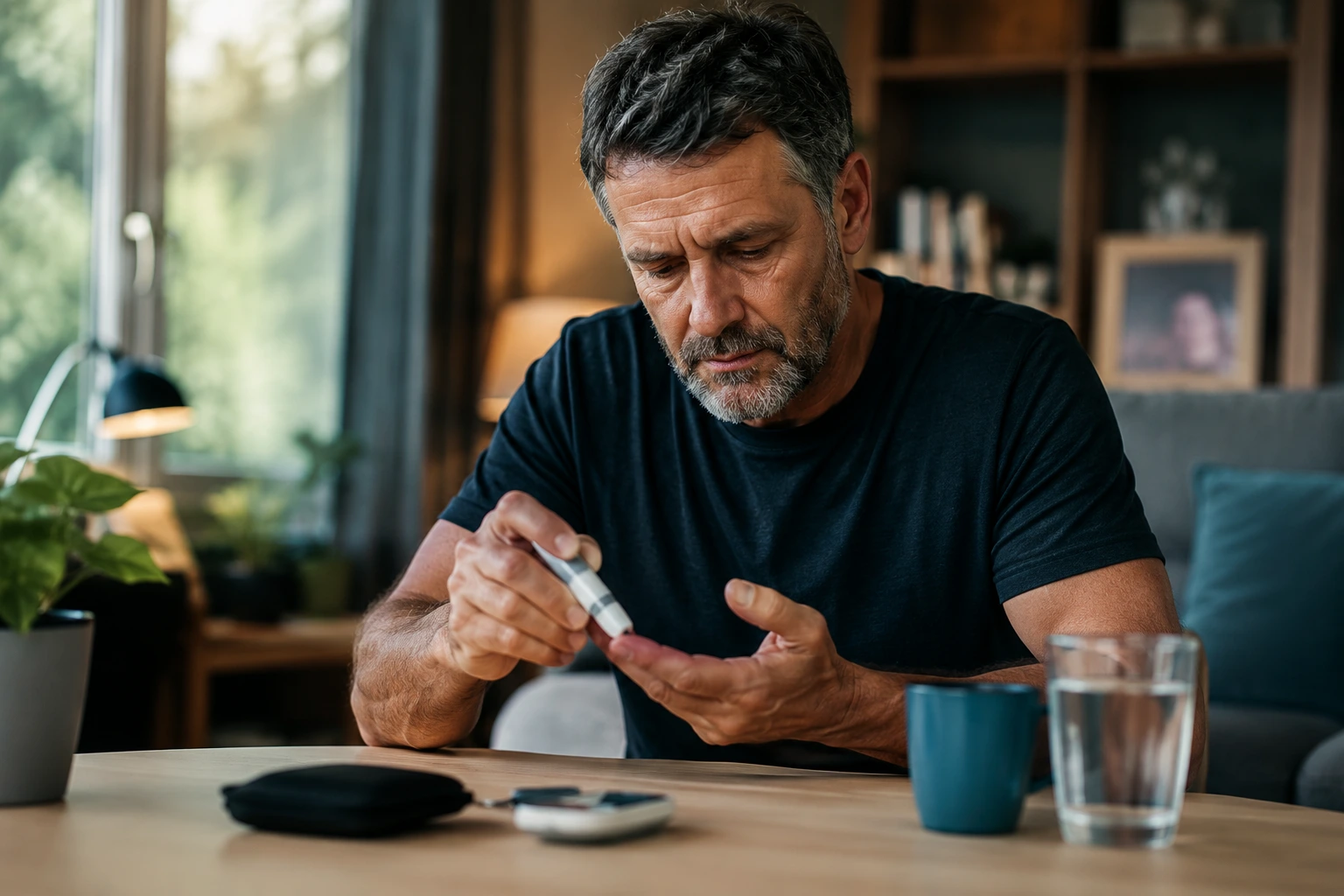
You feel fine on the surface, but deep down you wonder if your body is aging faster than it should be, and biological age test accuracy is the one thing that could finally tell you the truth.
Understanding biological age tests
Biological age tests work differently than simply counting the years since you were born. Instead of measuring chronological age, these tests examine what’s actually happening inside your cells. They analyze markers like DNA methylation patterns, which show how your genes are being expressed over time, and telomere length, the protective caps on your chromosomes that naturally shorten with age. Think of it this way: two people born in the same year can have vastly different cellular health. One might have telomeres that look like they belong to someone five years younger, while the other shows signs of accelerated aging. These tests also factor in lifestyle habits like your diet quality, exercise frequency, stress management, and sleep patterns. A 28-year-old who exercises regularly, sleeps eight hours nightly, and manages stress well might have a biological age of 24. Conversely, someone the same chronological age with poor habits could show a biological age of 35. The science behind these tests continues to evolve, and different companies use different methodologies, which is why understanding what you’re actually measuring matters before you get tested.
- Factors such as diet, exercise, stress levels, and sleep quality impact your biological age.
- Biological age tests can reveal potential health risks, allowing for proactive interventions.
- Understanding your biological age empowers you to make informed decisions for a healthier future.
Benefits of knowing your biological age
Knowing your biological age gives you something chronological age never can: a personalized health snapshot that reflects your actual lifestyle impact. Imagine getting a test result that shows your biological age is seven years younger than your chronological age. That’s powerful feedback that your current habits are working. It validates the effort you’re putting into your health and gives you concrete proof that your choices matter. On the flip side, if your biological age is higher than expected, it’s not a judgment but a wake-up call. It shows you exactly where your body needs attention. You can use this information to set realistic health goals. Instead of vague intentions like ‘get healthier,’ you now have a specific target: reduce your biological age by three years over the next 18 months. You can track progress with repeat tests and adjust your approach based on what actually moves the needle. Many young adults find this motivating because it transforms abstract health concepts into measurable outcomes. You’re not just trying to feel better; you’re actively reversing aging at the cellular level.
📘 Fix your day in under 2 minuteschoose where to begin:
Reliability of biological age tests
Here’s what you need to understand about biological age test accuracy: these tests provide valuable insights, but they’re not crystal balls. No test is 100% accurate, and that’s important to accept upfront. Several factors influence reliability. Sample quality matters enormously. If your blood sample isn’t collected properly or degrades before analysis, results suffer. Genetic variations also play a role. Some people naturally have longer telomeres due to genetics, which doesn’t necessarily mean they’re healthier. Different testing companies use different methodologies and algorithms, so getting tested by Company A might give you a different result than Company B. Environmental factors like recent illness, medications, or even stress during the testing period can skew results. The best approach is treating your biological age test as one data point, not the final verdict on your health. Compare it against other markers: your energy levels, how you feel, your fitness improvements, and what your doctor says during regular checkups. If your test shows a biological age of 35 but you’re running marathons and sleeping great, that’s valuable context. Use the test to guide your decisions, not dictate them.
Seeking professional guidance
Getting a biological age test result can feel overwhelming, especially if the number surprises you. This is exactly when talking to a healthcare professional or genetic counselor becomes invaluable. These experts can contextualize your results within your complete health picture. They understand your medical history, current medications, family genetics, and lifestyle factors in ways an online test company cannot. A genetic counselor can explain what your specific markers actually mean and whether they suggest real health concerns or simply reflect normal variation. They can also help you avoid overreacting to results. If your test shows elevated biological age, a professional can help you identify which factors are most modifiable. Maybe your sleep is the biggest issue, or perhaps stress management needs work. Rather than overhauling everything at once, which rarely works, a professional helps you prioritize. They can recommend specific interventions backed by evidence and monitor whether those changes actually improve your markers over time. Many insurance plans cover genetic counseling, and some employers offer it as part of wellness programs. Even a single consultation can clarify what your results mean and point you toward realistic next steps tailored to your situation.
Embracing healthy aging practices
Regardless of what your biological age test reveals, the path forward remains the same: consistent healthy habits. The good news is that biological age is not fixed. Unlike chronological age, which advances no matter what you do, biological age responds to your choices. Regular exercise is one of the most powerful levers you have. You don’t need to become an athlete. Moderate activity like brisk walking for 150 minutes weekly, combined with some strength training, creates measurable changes in cellular aging markers. Nutrition matters equally. A diet rich in whole foods, antioxidants, and healthy fats supports cellular repair mechanisms. Stress management isn’t optional either. Chronic stress accelerates aging at the molecular level. Whether you meditate, practice yoga, spend time in nature, or talk with friends, finding stress outlets that work for you is essential. Sleep is where much of your body’s repair happens. Aim for consistent sleep schedules and seven to nine hours nightly. The synergy matters too. Someone who exercises but sleeps poorly won’t see the same benefits as someone who combines exercise with good sleep. Think of these practices as an integrated system rather than separate boxes to check. Small consistent improvements across all areas compound into measurable changes in your biological age.
Biological age tests provide valuable insights into your overall health beyond chronological age. Understanding the factors influencing your biological age and seeking professional guidance can empower you to make informed choices for healthy aging.
Are biological age tests accurate?
Biological age tests offer valuable insights into your health status but may not be 100% accurate due to various factors influencing results. It’s essential to interpret these tests in conjunction with lifestyle factors for a comprehensive understanding.
How can I improve my biological age?
Adopting healthy lifestyle habits such as regular exercise, balanced nutrition, stress management, and quality sleep can positively impact your biological age. Consulting healthcare professionals for personalized guidance can also help optimize your health.
Disclaimer: This article is for informational purposes only and is not a substitute for professional medical advice. Always consult a healthcare professional for personal guidance.
This guide has been prepared and reviewed by the GlobalHealthBeacon editorial team and reflects current medical research as of 2026. It provides structured, evidence-based information to support informed health decisions.
