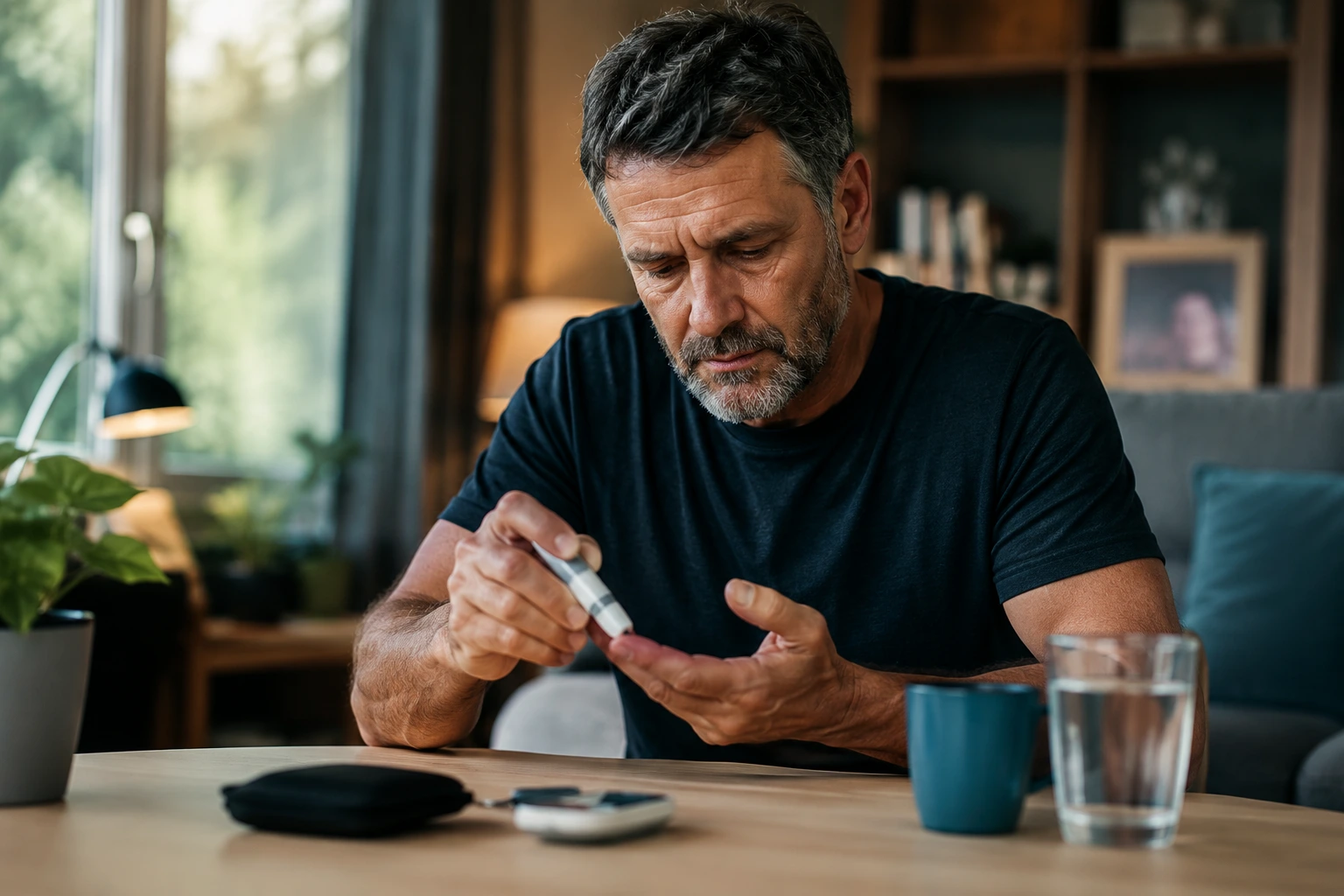
You’re staring at the mirror wondering why you look more tired than you feel, or maybe you’re crushing your workouts but still feel sluggish – biological age test accuracy might finally explain what’s really going on under your skin.
Understanding biological age test accuracy
Biological age tests measure what your body has actually experienced, not just how many years you’ve been alive. Think of it this way: two women born in the same year can have vastly different biological ages depending on their lifestyle, genetics, and environmental exposure. These tests evaluate DNA methylation patterns (chemical tags on your genes that change over time), telomere length (the protective caps on your chromosomes that shorten with stress and aging), and physiological markers like inflammation levels and metabolic function. A woman who exercises regularly, manages stress well, and sleeps deeply might have a biological age five years younger than her chronological age, while another woman under constant stress with poor sleep could be five years older biologically. The beauty of understanding this distinction is that biological age isn’t fixed – it responds to the choices you make today.
- Biological age tests consider lifestyle factors such as diet, exercise, stress levels, and sleep quality.
- Accurate biological age results can help you make informed decisions about your health and lifestyle choices.
- Different biological age tests may focus on distinct markers, leading to variations in results.
Choosing the right biological age test
Not all biological age tests are created equal, and picking the right one for your needs requires understanding what each measures and how reputable the company behind it is. Start by checking if the test has been validated through peer-reviewed scientific research – this is your first red flag indicator. Look for companies that publish their methodology openly and have partnerships with academic institutions. Cost matters too: some tests run $100-200 while others exceed $500, and price doesn’t always correlate with accuracy. Consider the type of sample required (blood, saliva, or cheek swab) and how quickly you’ll get results. For women specifically, seek tests that account for hormonal factors and female-specific health markers like bone density and reproductive health indicators. Read reviews from other women who’ve taken the test and paid attention to whether the company provides detailed reports with actionable recommendations tailored to your results, not just a single number.
📘 Fix your day in under 2 minuteschoose where to begin:
Popular biological age tests for women
Several biological age tests have gained traction among women seeking deeper health insights. Epigenetic clock tests like TruAge and GlycanAge measure chemical changes in your DNA and glycan structures respectively, offering highly scientific approaches backed by substantial research. Telomere length tests such as those offered through Spectracell examine the protective caps on your chromosomes – shorter telomeres often correlate with higher biological age and increased disease risk. Functional biomarker assessments from companies like InsideTracker analyze blood work including inflammation markers, metabolic health, and nutrient levels to paint a comprehensive picture of your biological age. Some women prefer the convenience of at-home saliva tests, while others trust blood-based tests more for their precision. The key is matching the test type to what resonates with you: do you want a deep molecular analysis, or are you more interested in practical biomarkers you can actually influence through diet and exercise?
Interpreting biological age test results
Getting your results back can feel overwhelming, especially if your biological age is higher than expected. This is where professional interpretation becomes invaluable. Schedule a consultation with a functional medicine doctor, registered dietitian, or wellness coach who understands these tests – they can help you contextualize the numbers and separate what’s truly actionable from what’s just noise. Your results will typically show your biological age, how it compares to your chronological age, and which specific markers are pulling your age up or down. For example, if inflammation markers are high, that’s something you can address through diet and stress management. If your telomeres are shorter than expected, that signals the need for better sleep and exercise habits. Genetics play a role too – if your parents aged well, you likely have some protective factors working in your favor. The goal isn’t perfection; it’s understanding your unique aging trajectory and where you have the most leverage to make changes.
Implementing lifestyle changes based on results
Your biological age test results are most valuable when they motivate concrete action. Start by identifying your top two or three modifiable markers rather than trying to overhaul everything at once. If sleep quality emerged as a major factor, commit to consistent bedtimes and a wind-down routine before tackling a complete diet overhaul. If inflammation is high, begin adding anti-inflammatory foods like fatty fish, berries, and leafy greens while reducing processed foods. Physical activity is non-negotiable for biological age improvement – aim for a mix of cardiovascular exercise (brisk walking, cycling, swimming) and strength training, which preserves muscle mass and bone density that naturally decline with age. Stress management through meditation, yoga, or simply spending time in nature has measurable effects on your biological markers. Track your progress by retesting after six to twelve months; many women find that meaningful lifestyle changes can shift their biological age by three to five years in that timeframe. The real power lies in seeing these results as permission to prioritize yourself, not as judgment.
Biological age tests offer valuable insights into your body’s true age, considering various biological markers beyond chronological age. By choosing the right test, interpreting the results accurately, and making lifestyle changes accordingly, women can proactively manage their biological age for better health outcomes.
Are biological age tests accurate for women?
Biological age tests can provide valuable insights for women by evaluating multiple biological factors beyond just chronological age. While accuracy may vary among different tests, they offer a holistic view of overall health and aging processes.
How can women improve their biological age?
Women can improve their biological age by focusing on adopting healthy lifestyle practices such as maintaining a balanced diet, engaging in regular physical activity, managing stress effectively, prioritizing quality sleep, and avoiding harmful habits like smoking.
Others also read:
Disclaimer: This article is for informational purposes only and is not a substitute for professional medical advice. Always consult a healthcare professional for personal guidance.
This guide has been prepared and reviewed by the GlobalHealthBeacon editorial team and reflects current medical research as of 2026. It provides structured, evidence-based information to support informed health decisions.
