You’re scrolling through health news, see hantavirus mentioned, and suddenly wonder if you caught it from someone at work or that crowded coffee shop, but here’s what you actually need to know about hantavirus transmission basics before panic sets in.
Understanding hantavirus transmission
Hantavirus spreads through a very specific pathway that has nothing to do with person-to-person contact. The virus lives in rodent droppings, urine, and saliva. When these materials dry out and get disturbed, tiny virus particles become airborne. Imagine opening a storage closet that hasn’t been touched in months, sweeping it carelessly, and breathing in dust that contains infected rodent waste. That’s the primary exposure route. It’s not like catching a cold from someone sneezing on you. The virus needs direct contact with rodent excreta or inhalation of contaminated particles. This is why hikers in rural areas, people cleaning old barns, or those dealing with rodent infestations face higher risk. Understanding this distinction matters because it changes how you actually protect yourself. You’re not avoiding people who are sick. You’re avoiding environments where rodents have been living.
- Avoid sweeping or vacuuming areas known to be infested with rodents
- Seal up holes or gaps in your home to prevent rodents from entering
- Use gloves and masks when cleaning areas where rodents may have been present
Preventing hantavirus transmission
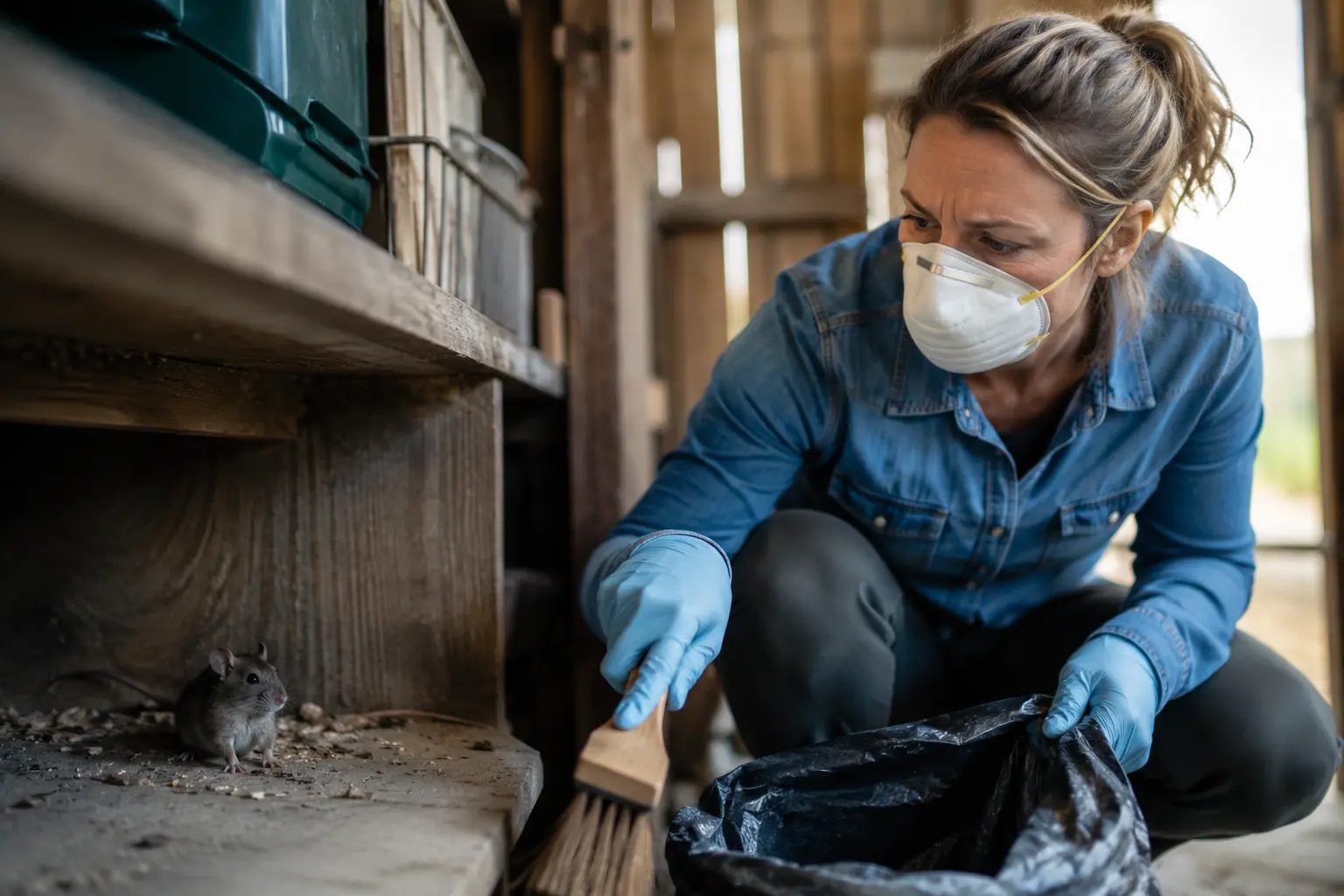
Prevention comes down to making your space uninviting to rodents and handling contaminated areas safely. Start by sealing entry points around your home. Look for gaps around pipes, foundation cracks, and spaces under doors. Rodents need only a small opening. Next, remove food sources and clutter where they hide. Store pantry items in sealed containers, don’t leave pet food out overnight, and keep your living space organized. When you discover evidence of rodents, don’t panic and start cleaning aggressively. Instead, open windows for ventilation, put on an N95 mask and gloves, spray the area lightly with disinfectant to settle dust, then carefully clean using damp cloths rather than sweeping. Dispose of contaminated materials in sealed bags. If you’re dealing with a significant infestation, call a professional pest control service rather than handling it yourself. They have proper equipment and training to minimize your exposure risk.
📘 Fix your day in under 2 minuteschoose where to begin:
Symptoms of hantavirus infection
Hantavirus infection starts subtly and can escalate quickly, which is why recognizing early signs matters. Initial symptoms appear one to eight weeks after exposure and feel like a bad flu: fever, muscle aches, chills, and fatigue. You might feel exhausted after minimal activity. Some people experience headaches, dizziness, or abdominal pain. This phase lasts a few days. Then comes the critical part. If the infection progresses, you develop respiratory symptoms: shortness of breath, coughing, and chest tightness. This is when hantavirus becomes dangerous. The virus can cause fluid to accumulate in your lungs, making breathing increasingly difficult. In severe cases, this leads to respiratory failure requiring hospitalization and mechanical ventilation. The mortality rate for hantavirus pulmonary syndrome is around 38 percent, which is why early medical intervention is crucial. Don’t dismiss persistent flu-like symptoms, especially if you’ve been in environments with rodent exposure.
Seeking medical attention
If you suspect hantavirus exposure or develop symptoms, don’t wait. Contact your doctor or visit an urgent care clinic immediately. Tell them about your potential rodent exposure. This detail is critical because hantavirus isn’t common, and doctors need context to test for it properly. Mention when and where you might have been exposed. Were you cleaning a garage? Hiking in a rural area? Working in a storage space? The timeline matters too. If you developed symptoms within the past few weeks and had rodent contact, that’s a red flag worth investigating. Doctors can run specific blood tests to confirm hantavirus infection. Early diagnosis allows for supportive care that can improve outcomes. If you’re hospitalized, treatment focuses on managing respiratory symptoms and supporting your body while it fights the infection. There’s no specific antiviral cure, but early hospitalization and intensive care significantly improve survival rates. Don’t downplay symptoms or assume it’s just a regular cold.
Educating others
Knowledge about hantavirus spreads awareness, and awareness prevents infections. Share what you’ve learned with roommates, family, and friends, especially those living in older buildings or rural areas. Explain that hantavirus isn’t a person-to-person threat, which often relieves unnecessary anxiety. Instead, focus on practical prevention: sealing homes, maintaining cleanliness, and handling rodent situations safely. If you know someone dealing with a rodent problem, encourage them to use proper protective equipment or hire professionals rather than attempting cleanup alone. Talk to your landlord if you notice rodent signs in shared spaces. Document the issue and request professional pest control. In workplaces with storage areas or older facilities, advocate for regular pest control maintenance and employee training on safe cleanup procedures. When you see news about hantavirus cases, resist the urge to spread fear. Instead, share factual information about transmission and prevention. This shifts the conversation from panic to practical protection, which is exactly what people need.
Hantavirus spreads exclusively through contact with infected rodent excreta or saliva, never from person to person. Prevention requires maintaining a clean, rodent-free environment through sealing entry points, removing food sources, and using proper protective equipment during cleanup. Recognizing early flu-like symptoms and seeking immediate medical attention are essential for managing infection. Educating yourself and others about transmission routes and prevention strategies creates a protective community response to this serious but preventable virus.
Can hantavirus be transmitted from person to person?
No. Hantavirus does not spread from person to person. The only transmission route is through direct contact with infected rodent feces, urine, or saliva, or by inhaling particles from contaminated materials. You cannot catch hantavirus from someone who is sick with it.
What should I do if I suspect I have been exposed to hantavirus?
Seek medical attention immediately if you suspect exposure or develop symptoms such as fever, muscle aches, fatigue, or difficulty breathing. Tell your doctor about your potential rodent contact and when it occurred. Early diagnosis through blood tests and prompt medical care significantly improve outcomes. Do not delay seeking help.
Others also read:
Disclaimer: This article is for informational purposes only and is not a substitute for professional medical advice. Always consult a healthcare professional for personal guidance.
This guide has been prepared and reviewed by the GlobalHealthBeacon editorial team and reflects current medical research as of 2026. It provides structured, evidence-based information to support informed health decisions.

