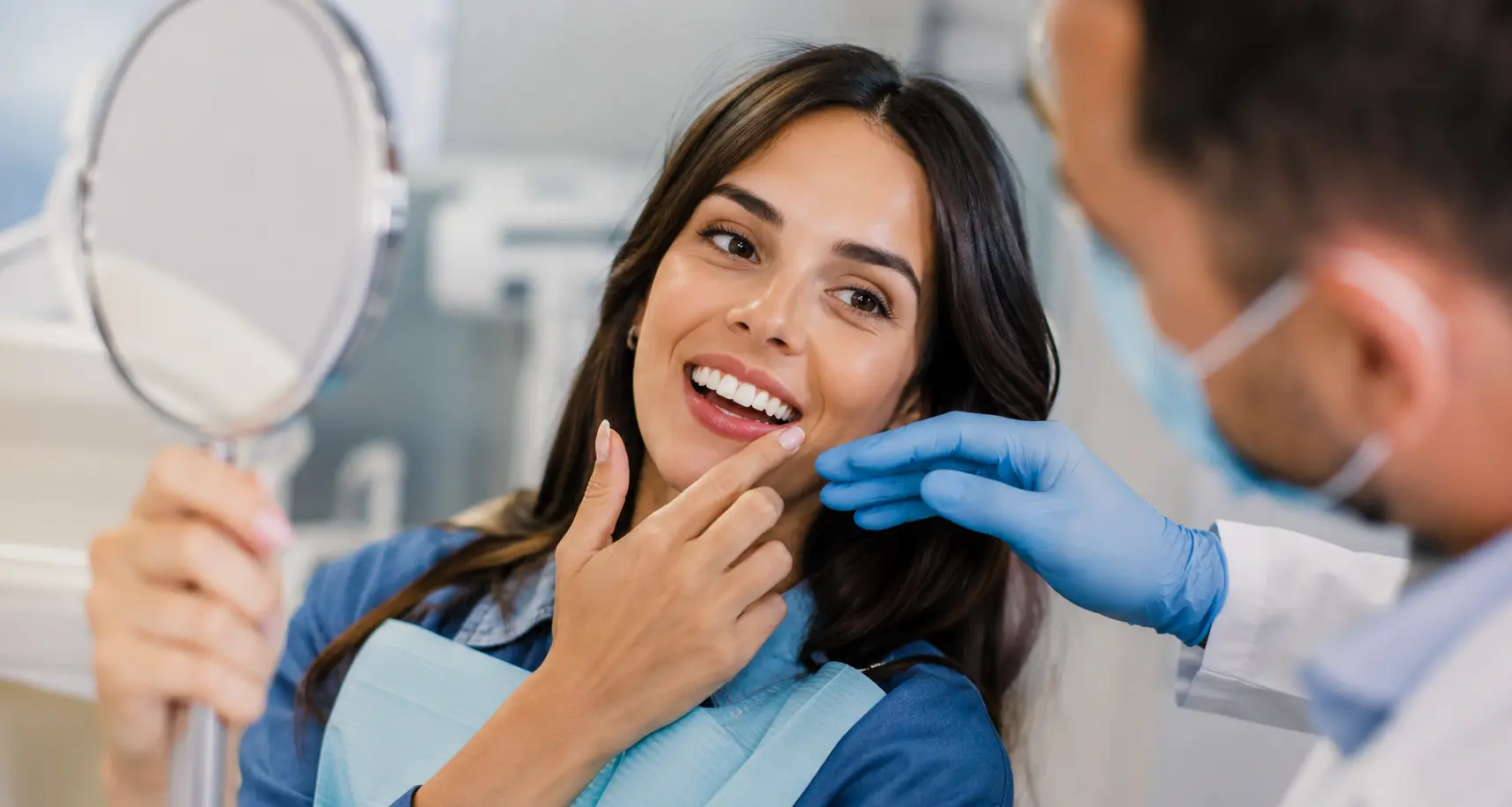
You catch your reflection and immediately think about your teeth, wondering if everyone else notices what you do, and that nagging feeling won’t go away until you understand what cosmetic dentistry trends can actually do for you.
Understanding cosmetic dentistry trends
Cosmetic dentistry has evolved far beyond simple vanity procedures. Today’s cosmetic dentistry trends represent a sophisticated blend of artistic vision and biological science, addressing everything from tooth alignment to gum contouring. Young adults often encounter situations where their smile doesn’t match their self-image: perhaps years of coffee staining, a gap that developed after orthodontics, or slight misalignment that wasn’t fully corrected. These trends encompass teeth whitening, bonding, veneers, orthodontics, and gum reshaping. What makes modern trends different is the personalized approach. A cosmetic dentist doesn’t apply a one-size-fits-all solution. Instead, they consider your facial structure, skin tone, age, and personal goals. For example, a 24-year-old might pursue subtle whitening and bonding to fix a chipped tooth, while another might explore veneers for comprehensive transformation. Understanding these options helps you recognize that cosmetic dentistry isn’t about achieving perfection, but rather aligning your teeth with your identity and confidence.
Innovative technologies in cosmetic dentistry
The technological revolution in cosmetic dentistry has fundamentally changed what’s possible and how procedures feel. Digital smile design software allows you to preview your results before any work begins, eliminating guesswork and setting realistic expectations. Imagine sitting in a chair while your dentist uses 3D imaging to show you exactly how your smile will look after treatment. Laser dentistry has made procedures faster and less invasive, reducing healing time and discomfort. Intraoral cameras let you see magnified images of your teeth, helping you understand exactly what needs attention. CAD/CAM technology creates custom restorations like crowns and veneers in a single appointment rather than requiring multiple visits. For young adults juggling busy schedules, this efficiency matters. Advanced whitening systems use professional-grade materials that work faster and more effectively than over-the-counter options, delivering visible results in one or two sessions. Cone beam computed tomography (CBCT) provides detailed 3D scans for complex cases. These innovations aren’t just about speed; they’re about precision, safety, and giving you control over your treatment journey.
Factors to consider before opting for cosmetic dentistry
Before pursuing any cosmetic dental work, you need honest answers to several critical questions. First, assess your current oral health. Cosmetic procedures work best on a foundation of healthy teeth and gums. If you have cavities, gum disease, or bone loss, addressing these issues comes first. Second, research your dentist’s qualifications. Not every dentist has equal training in cosmetic work. Look for credentials, before-and-after galleries, and patient reviews. Third, understand your realistic timeline and budget. Some procedures require multiple appointments and significant investment. A young adult earning their first professional salary might choose one strategic procedure rather than a full makeover. Fourth, consider your lifestyle. If you smoke or drink red wine daily, whitening results won’t last long. Finally, evaluate your emotional readiness. Cosmetic dentistry should feel like a positive choice, not something driven by anxiety or external pressure. Common mistakes include choosing the cheapest option, rushing into procedures without consultation, or having unrealistic expectations about results. Taking time to reflect on these factors prevents regret and ensures your investment aligns with your actual needs and values.
- Consult with a reputable cosmetic dentist to assess your oral health, discuss your desired results, and understand what’s realistically achievable for your specific situation.
- Explore different treatment options available for achieving your smile goals, including timelines, costs, and potential alternatives that might suit your needs.
- Understand the risks and benefits associated with each cosmetic procedure before making a final decision, and ask about aftercare requirements and longevity.
🔬 Science-backed benefits in 2 minuteschoose where to begin:
The science behind smile makeovers
A smile makeover isn’t a single procedure but rather a coordinated treatment plan addressing multiple aspects of your smile. The science behind this approach recognizes that teeth don’t exist in isolation. Your smile involves tooth color, shape, size, alignment, and how your gums frame everything. Consider a hypothetical scenario: a 26-year-old notices their smile looks aged and tired. A comprehensive evaluation reveals slightly yellowed teeth, minor crowding, and a gummy smile where too much gum shows when smiling. The makeover might combine professional whitening to address discoloration, subtle orthodontics or bonding to improve alignment, and gum contouring to create better proportions. Each component serves a purpose. Whitening brightens and makes teeth appear larger. Bonding or veneers reshape and align. Gum work creates the right frame. The biological principle here is harmony: when all elements work together, the result looks natural and proportional rather than overdone. Modern makeovers also consider your age and life stage. Young adults benefit from conservative approaches that enhance rather than dramatically alter, preserving authenticity while boosting confidence. The science ensures that improvements look like the best version of you, not someone else.
Maintaining your enhanced smile
Your cosmetic dentistry results are only as good as your commitment to maintenance. After procedures, your teeth require specific care to preserve results and prevent damage. Professional whitening results typically last six months to two years depending on your habits. Veneers and bonding can last ten to fifteen years with proper care. The maintenance routine involves daily habits: brushing twice daily with a soft-bristled toothbrush, flossing to remove plaque between teeth and under gum lines, and using a non-abrasive toothpaste that won’t scratch restorations. Lifestyle choices matter significantly. Smoking stains teeth and accelerates gum disease. Red wine, coffee, and dark sodas discolor teeth. Acidic foods and drinks weaken enamel. Grinding your teeth at night damages restorations and natural teeth alike. Regular dental check-ups every six months allow your dentist to monitor your work and catch problems early. Professional cleanings remove buildup that home care can’t address. For young adults, establishing these habits now creates a foundation for long-term oral health. Think of maintenance not as a burden but as protecting your investment and your confidence.
The future of cosmetic dentistry trends
The cosmetic dentistry landscape continues evolving with emerging technologies and materials. Researchers are developing stronger, more aesthetic composite materials that mimic natural tooth structure more closely. Regenerative dentistry shows promise for rebuilding damaged tooth structure rather than just covering it. Artificial intelligence is beginning to assist in treatment planning, analyzing facial proportions and predicting outcomes with greater accuracy. Biocompatible materials reduce allergic reactions and improve longevity. Minimally invasive techniques preserve more natural tooth structure while achieving dramatic results. For young adults, these advances mean better options, faster procedures, and more predictable outcomes. Staying informed about trends helps you make educated decisions when you’re ready to pursue treatment. The trajectory points toward personalization, efficiency, and sustainability. Rather than one-size-fits-all solutions, future cosmetic dentistry will increasingly tailor treatments to individual biology, genetics, and preferences. As these innovations become mainstream, access will likely improve and costs may decrease. The future suggests that enhancing your smile will become more accessible, more natural-looking, and more aligned with your unique identity.
Cosmetic dentistry trends offer young adults scientifically-backed options for enhancing their smiles through innovative technologies and personalized treatment plans. From understanding available procedures to evaluating your readiness and maintaining results, each step requires informed decision-making. The field continues advancing with new materials and techniques that promise better outcomes and less invasive approaches. Your smile enhancement journey should feel empowering, not pressured, and grounded in realistic expectations about what’s possible.
Are cosmetic dentistry procedures safe for young adults?
When performed by a qualified cosmetic dentist, procedures are generally safe for young adults. However, it’s essential to consult with a professional, discuss any concerns, and understand that individual factors like oral health status and lifestyle habits influence safety and outcomes. Choosing a dentist with proper credentials and experience significantly reduces risks.
How long do the results of cosmetic dentistry treatments last?
The longevity of results depends on various factors, including the type of procedure, your oral hygiene practices, lifestyle habits, and natural aging processes. Whitening typically lasts six months to two years, while veneers and bonding can last ten to fifteen years. Following post-treatment care instructions and maintaining regular dental visits helps prolong the effects of cosmetic dentistry.
Others also read:
Disclaimer: This article is for informational purposes only and is not a substitute for professional medical advice. Always consult a healthcare professional for personal guidance.
This article has been prepared and reviewed by the GlobalHealthBeacon editorial team and is based on current medical research and published scientific literature available in 2026. It provides structured, evidence-based information to support informed health decisions.
