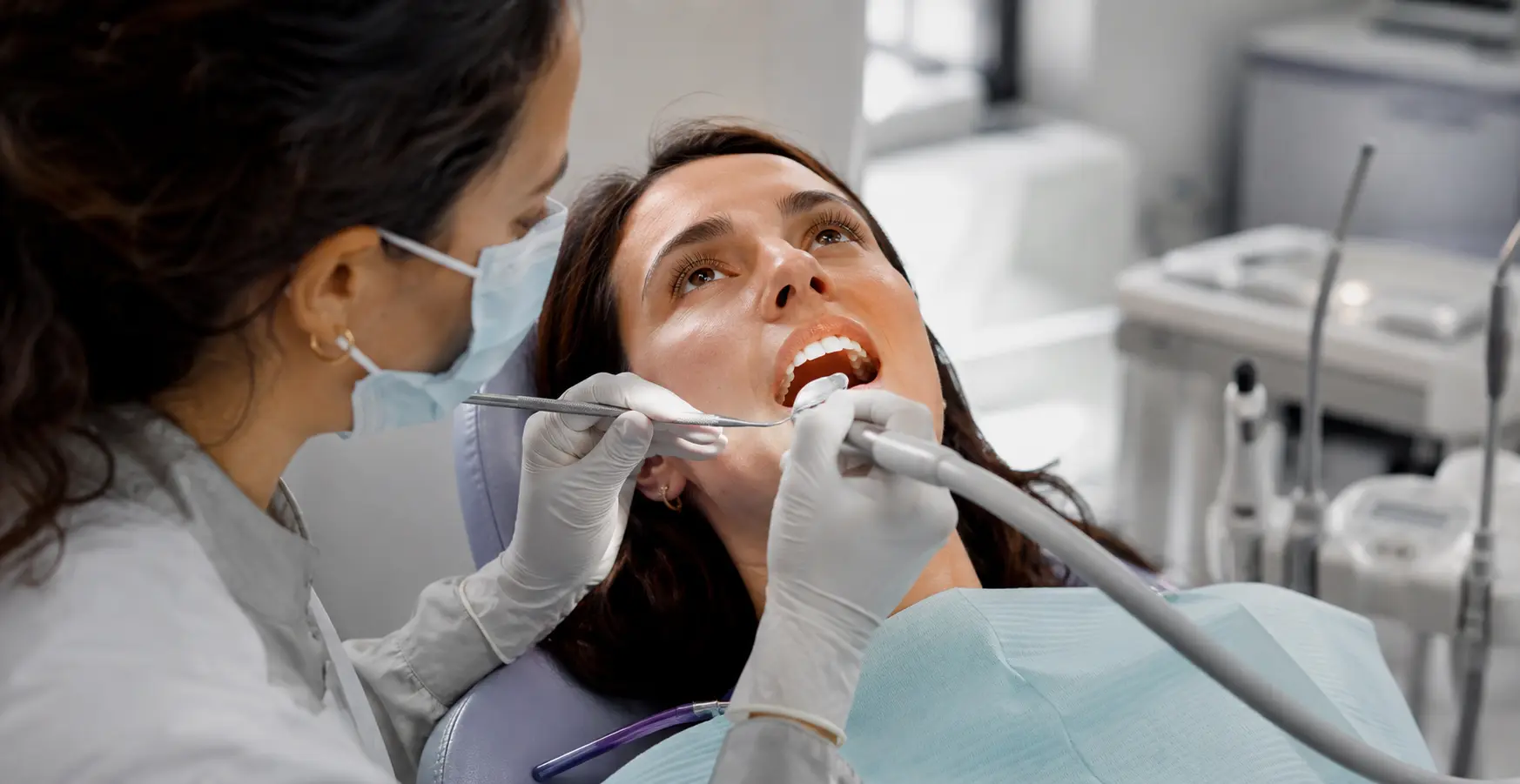
Tired of hiding your smile or struggling to eat the foods you love because of missing or damaged teeth? Full mouth dental implants could be the game-changing solution that restores not just your teeth, but your confidence and quality of life.
The basics of full mouth dental implants
Full mouth dental implants represent a comprehensive restoration approach for individuals dealing with extensive tooth loss or severe dental damage. Rather than relying on traditional dentures or bridges, this procedure involves surgically anchoring artificial tooth roots directly into your jawbone. Think of it like this: your natural teeth have roots that grip into your jaw, providing stability and allowing you to chew with force. Implants replicate this exact mechanism by using biocompatible titanium posts that fuse with bone tissue over time. The prosthetic teeth attached to these posts look, feel, and function remarkably like natural teeth. For young adults facing tooth loss from injury, decay, or genetic conditions, this option offers a durable, long-term solution that can last decades or even a lifetime with proper care. Unlike removable dentures that require daily cleaning and can shift during eating or speaking, implants stay permanently in place, giving you the freedom to live without constant adjustments or embarrassment.
Implant procedure step by step
The journey toward full mouth implants begins with a detailed consultation and diagnostic phase. Your dentist will take 3D imaging scans to assess your jawbone density, identify nerve locations, and create a customized surgical plan tailored to your anatomy. This planning stage is crucial because it determines implant placement angles, depth, and spacing for optimal function and aesthetics. Once planning is complete, the surgical phase begins under local anesthesia, ensuring you remain comfortable throughout. The surgeon carefully creates small openings in your jawbone and inserts titanium implant posts at precise angles. For some patients, bone grafting may be necessary if the jawbone lacks sufficient density to support implants. After surgery, you’ll experience some swelling and mild discomfort for a few days, manageable with prescribed pain relief. The real magic happens during the healing period that follows, typically lasting three to six months, when your bone naturally bonds with the implant surface in a process called osseointegration.
Understanding the integration phase
Osseointegration is the biological process that makes full mouth implants so successful and permanent. During this phase, your jawbone cells gradually grow around and into the titanium implant surface, creating an incredibly strong bond that mimics the natural connection between tooth roots and bone. Imagine your bone cells treating the titanium like a foreign object initially, then slowly recognizing it as part of your body and anchoring themselves to it. This integration typically takes three to six months, though some cases extend longer depending on bone quality and overall healing capacity. During this critical waiting period, you must avoid putting pressure on the implants, which means sticking to soft foods and being cautious during physical activity. Your dental team will schedule periodic check-ups to monitor healing progress through imaging. Once integration is complete, your dentist will attach abutments (connectors) and custom-made crowns or bridges to the implant posts. This is when you finally get your new teeth and can resume normal eating and speaking. The patience required during integration pays off with a restoration that functions and feels indistinguishable from natural teeth.
- Visit your dental professional for regular check-ups during the integration phase to monitor bone fusion and healing progress.
- Maintain excellent oral hygiene by gently brushing and rinsing with prescribed antimicrobial solutions to support healing without disturbing the implants.
- Avoid hard, crunchy, sticky, or hot foods that may strain the implants or cause inflammation during the critical healing period.
🔬 Science-backed benefits in 2 minuteschoose where to begin:
Benefits of full mouth implants
The advantages of full mouth implants extend far beyond simply having teeth again. Functionally, they restore your ability to chew with nearly the same force as natural teeth, meaning you can enjoy steak, nuts, apples, and other foods without restriction. Speech improves dramatically since implants don’t slip or click like dentures, allowing you to speak clearly and confidently in professional and social settings. Aesthetically, modern implant crowns are crafted to match your natural tooth color, shape, and translucency, creating a seamless smile that looks genuinely yours. Perhaps most importantly, implants preserve your jawbone structure. When teeth are missing, the underlying bone gradually deteriorates because it lacks the stimulation that tooth roots provide. This bone loss causes facial collapse, making people look older and changing their facial proportions. Implants prevent this by transmitting chewing forces directly to the bone, maintaining its volume and density. Additionally, implants don’t require grinding down adjacent teeth like traditional bridges do, preserving more of your natural tooth structure. For young adults, this means investing in a solution that protects your long-term oral health and facial appearance.
Maintenance and care
Caring for full mouth implants is surprisingly straightforward and similar to caring for natural teeth. Daily oral hygiene involves brushing twice daily with a soft-bristled toothbrush and flossing around each implant crown to remove food debris and plaque. Some patients find water flossers or specialized implant floss more effective than traditional string floss. Avoid abrasive toothpastes or aggressive brushing that could damage the crown surface. Beyond daily habits, attend dental check-ups every six months so your dentist can professionally clean the implants, assess the surrounding bone and gum health, and catch any issues early. Certain lifestyle factors matter too: smoking significantly impairs bone healing and increases implant failure risk, so quitting before surgery improves outcomes substantially. Grinding your teeth at night can stress implants, so discuss a night guard with your dentist if you clench. Maintaining good overall health, managing conditions like diabetes, and taking prescribed medications supports implant longevity. With these straightforward maintenance practices, your implants can function beautifully for decades, making them one of the most cost-effective dental investments you can make.
The future of your smile
Full mouth dental implants represent a genuine breakthrough in restorative dentistry, offering young adults a path toward permanent, natural-looking tooth replacement. Understanding the biological processes behind implants helps you appreciate why they work so well and why the investment of time and money pays off. The procedure has evolved significantly over decades, with success rates now exceeding 95 percent when performed by experienced professionals and maintained properly by patients. As technology advances, implant materials become more refined, surgical techniques grow more precise, and recovery times shorten. If you’re considering this option, the next step is scheduling a consultation with a qualified implant dentist who can evaluate your specific situation, discuss your goals, and determine whether you’re a good candidate. They’ll address your concerns, explain realistic timelines and costs, and help you understand what to expect at each stage. Making an informed decision about your dental health now sets the foundation for decades of confident smiling, comfortable eating, and improved quality of life ahead.
Full mouth dental implants are a sophisticated dental procedure that offers long-term benefits for individuals seeking to restore their smile. By integrating artificial tooth roots into the jawbone, these implants mimic the natural function and aesthetics of teeth, providing a durable and lasting solution for missing teeth.
How long do full mouth dental implants last?
With proper care and maintenance, full mouth dental implants can last a lifetime. Regular oral hygiene practices and routine dental check-ups are essential to ensure the longevity and functionality of the implants.
Are full mouth dental implants suitable for everyone?
While full mouth dental implants are a versatile option for replacing missing teeth, not everyone may be a suitable candidate. Your dental provider will assess your oral health and bone structure to determine if full mouth implants are the right choice for you.
Others also read:
Disclaimer: This article is for informational purposes only and is not a substitute for professional medical advice. Always consult a healthcare professional for personal guidance.
This article has been prepared and reviewed by the GlobalHealthBeacon editorial team and is based on current medical research and published scientific literature available in 2026. It provides structured, evidence-based information to support informed health decisions.
