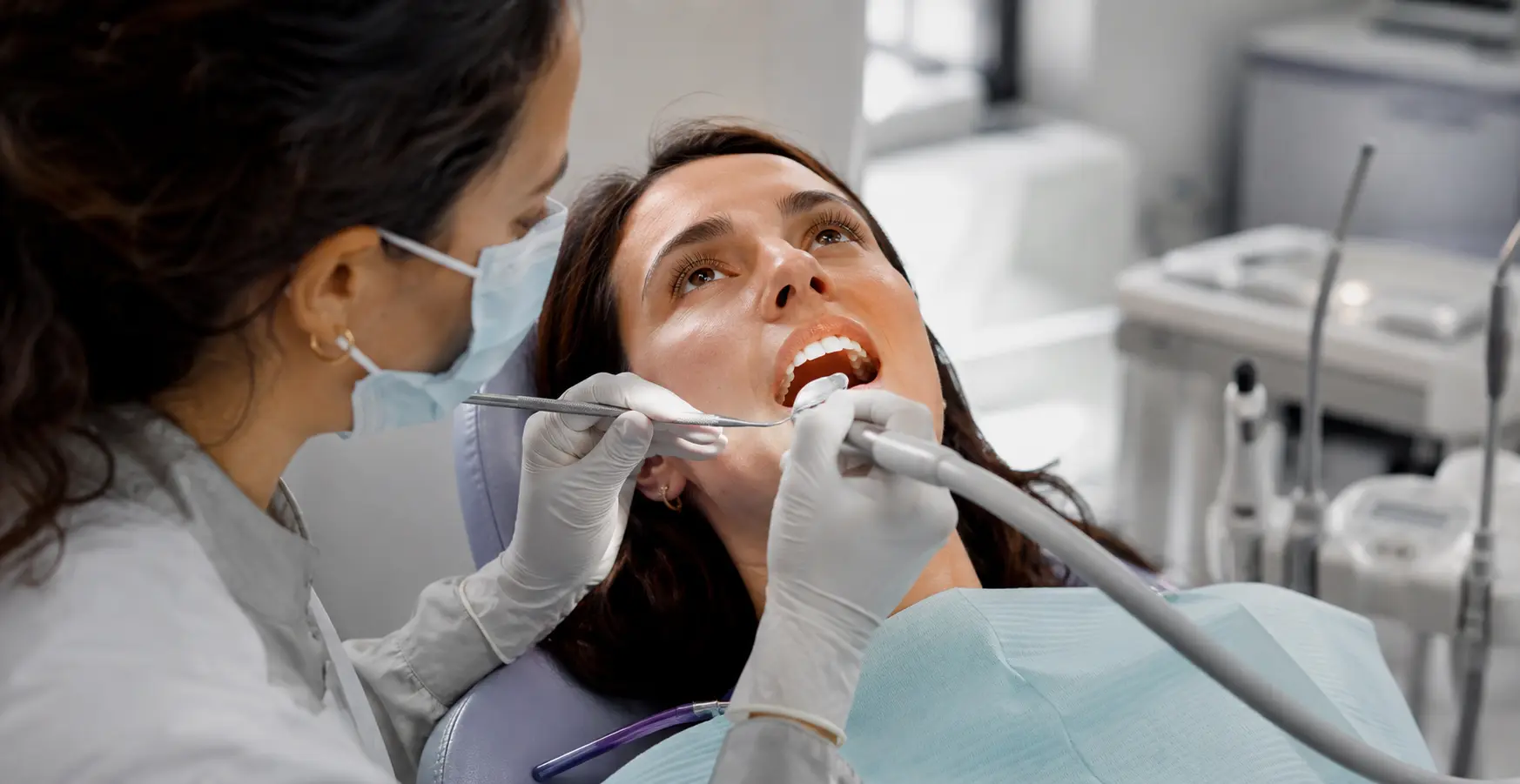
Struggling to chew your favorite foods, avoiding social situations because of missing teeth, or tired of dealing with loose dentures that slip around? Full mouth dental implants could be the game-changer you’ve been waiting for, and here’s the science behind why they actually work.
Understanding full mouth dental implants
Full mouth dental implants represent a comprehensive solution for people who have lost multiple teeth across their upper and lower jaw. Rather than relying on removable dentures or bridges that can shift and cause discomfort, this procedure involves surgically anchoring titanium posts directly into your jawbone. Think of these posts as artificial tooth roots. Each post is carefully positioned where your natural tooth roots once were, creating a stable foundation that mimics the way your original teeth worked. For someone who has experienced significant tooth loss, this approach restores not just the appearance of teeth but the actual functional structure beneath the surface. The titanium material is biocompatible, meaning your body recognizes it as safe and won’t reject it. Over time, your jawbone naturally bonds with these posts through a biological process, creating an incredibly strong connection that can last decades with proper care.
Mechanism of full mouth implants
Once titanium posts are surgically placed into your jawbone, something remarkable happens at the cellular level. Your bone cells gradually grow around and fuse with the titanium surface through a process called osseointegration, which typically takes three to six months. During this time, the implant becomes increasingly stable as new bone tissue forms around it. This isn’t a quick fix, but the wait ensures a foundation as strong as natural tooth roots. Once osseointegration is complete, artificial teeth are attached to the posts, either as individual crowns or as a full arch of teeth. The result is a restoration that functions almost identically to natural teeth, allowing you to bite with normal force and chew foods you may have avoided for years. The stability also means no more clicking or shifting sensations that many denture wearers experience. Your speech becomes clearer, your confidence returns, and daily activities like eating an apple or speaking in public no longer require anxiety or adjustment.
Benefits of full mouth implants
The advantages of full mouth implants extend far beyond cosmetic improvement. Enhanced chewing efficiency means you can process a wider variety of foods, which supports better nutrition and digestion. Your bite force can return to near-normal levels, allowing you to enjoy foods you may have given up years ago. Speech improves dramatically because the implants don’t shift or click like removable dentures, giving you confidence in conversations and social settings. Perhaps most importantly, full mouth implants prevent bone loss in your jaw. When teeth are missing, the jawbone gradually deteriorates because it no longer receives the stimulation that natural tooth roots provide. This bone loss can lead to facial sagging, a sunken appearance, and changes to your profile. By replacing missing teeth with implants that stimulate the bone, you maintain your facial structure and appearance. Many seniors report feeling more confident, more like themselves, and more willing to engage socially after receiving full mouth implants.
- Consult with a qualified dental professional who specializes in implant dentistry to discuss your specific situation and expectations
- Undergo a thorough evaluation including dental imaging, bone density assessment, and review of your complete medical history
- Discuss the detailed treatment plan, timeline, expected outcomes, and financial considerations with your dentist before proceeding
🔬 Science-backed benefits in 2 minuteschoose where to begin:
Long-term maintenance of full mouth implants
The longevity of full mouth implants depends significantly on how well you care for them after placement. Unlike natural teeth, implants cannot develop cavities, but the surrounding bone and gum tissue require diligent attention. Daily brushing with a soft-bristled toothbrush and flossing around each implant removes food particles and plaque that can accumulate just as they do around natural teeth. Some seniors find specialized floss threaders or water flossers particularly helpful for cleaning around implants. Regular dental check-ups, typically every six months, allow your dentist to monitor the health of your implants and catch any issues early. Professional cleanings remove tartar buildup that home care cannot address. Your dentist may also recommend specific antimicrobial rinses to keep the area around implants clean and healthy. With this level of care, full mouth implants can function well for twenty years or longer, making them a worthwhile investment in your long-term oral health and quality of life.
Risk factors associated with full mouth implants
While full mouth implants have a high success rate, certain factors can increase the risk of complications. Poor oral hygiene is the most common preventable risk factor, as bacteria around implants can lead to inflammation and bone loss. Underlying health conditions like uncontrolled diabetes, autoimmune disorders, or osteoporosis can affect bone healing and implant stability. Smoking significantly increases complications because it reduces blood flow to healing tissues and impairs bone integration. Some medications that affect bone metabolism may also influence implant success. Inadequate jawbone volume can sometimes require bone grafting before implants can be placed. This is why a thorough pre-treatment evaluation is essential. Your dentist needs to understand your complete medical history, current medications, and lifestyle factors. Being honest about smoking, alcohol use, and any health conditions allows your dental team to assess your individual risk profile and recommend the best approach for your situation. Many risk factors are manageable with proper planning and lifestyle adjustments.
Scientific insights into full mouth implants
Decades of clinical research and long-term studies have established full mouth implants as a highly effective treatment for extensive tooth loss. Scientific evidence demonstrates success rates exceeding ninety percent when proper surgical technique and patient compliance are maintained. Research shows that implant recipients experience significant improvements in chewing ability, nutritional intake, and quality of life compared to denture wearers. Studies also confirm that implants prevent the bone loss that naturally occurs after tooth loss, preserving facial structure and preventing the aged appearance that often accompanies missing teeth. The biocompatibility of titanium has been extensively documented, with decades of clinical use confirming its safety and durability. Modern imaging technology allows dentists to plan implant placement with precision, reducing complications and improving outcomes. Ongoing research continues to refine techniques and materials, making implants increasingly accessible and reliable. For seniors considering this option, the scientific foundation is solid and well-established.
Full mouth dental implants offer a scientifically-supported solution for replacing missing teeth, restoring not just appearance but actual function and bone structure. The process of osseointegration creates a stable, long-lasting foundation that can last decades with proper maintenance. Benefits include improved chewing ability, clearer speech, maintained facial structure, and enhanced confidence. Success depends on thorough pre-treatment evaluation, careful surgical placement, and diligent long-term care including daily oral hygiene and regular dental visits. While certain risk factors like smoking and poor oral hygiene can affect outcomes, most can be managed with proper planning and lifestyle adjustments. The scientific evidence strongly supports the efficacy and safety of full mouth implants for appropriate candidates.
Are full mouth implants suitable for all seniors?
Full mouth implants can be a suitable option for many seniors, but individual eligibility depends on factors like bone density, overall health, and ability to maintain oral hygiene. A thorough evaluation by a qualified dental professional is necessary to determine whether you’re a good candidate and to discuss any modifications that might be needed for your specific situation.
What is the success rate of full mouth implants?
Full mouth implants have a high success rate, typically exceeding ninety percent when proper surgical technique is used and patients maintain good oral hygiene. Long-term studies show that with appropriate care and regular dental visits, implants can function well for twenty years or longer. Individual success rates depend on factors like overall health, smoking status, and commitment to maintenance.
Others also read:
Disclaimer: This article is for informational purposes only and is not a substitute for professional medical advice. Always consult a healthcare professional for personal guidance.
This article has been prepared and reviewed by the GlobalHealthBeacon editorial team and is based on current medical research and published scientific literature available in 2026. It provides structured, evidence-based information to support informed health decisions.
