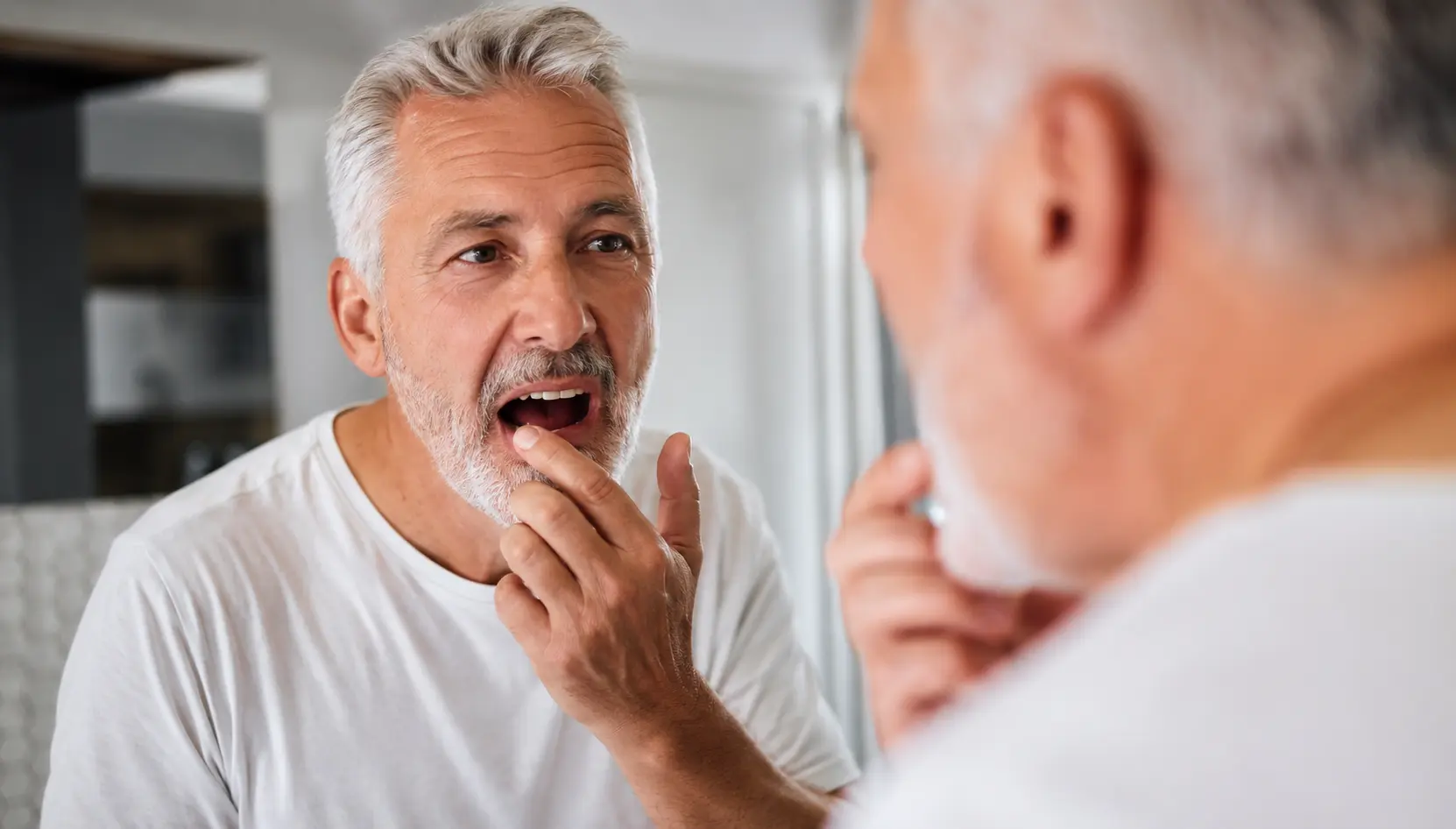
You’re staring at a plate of your favorite pizza, mouth watering, only to realize you can’t actually eat it because your jaw feels like it’s been through a war and dental implant aftercare suddenly becomes your entire life for the next few weeks.
Managing pain and discomfort
The first week after implant surgery hits different. You wake up thinking you’re ready to conquer the day, then reality sets in. Your face feels like it’s been inflated with a bicycle pump, your jaw throbs with every heartbeat, and even smiling feels like a risky move. Most young adults report that the initial 48 to 72 hours are the roughest, with swelling peaking around day three. One 26-year-old shared how she kept ice packs in her freezer on rotation, applying them for 20 minutes at a time to keep the swelling manageable. The prescribed pain medication helped, but she learned the hard way not to skip doses thinking she was tough enough to handle it. Taking medication on schedule, even when you feel okay, keeps pain from building up and becoming unbearable. Beyond medication, keeping your head elevated while sleeping and avoiding hot foods and drinks prevents additional inflammation. Small adjustments make a huge difference in how quickly you move past this uncomfortable phase.
- Apply ice packs to reduce swelling
- Use prescribed pain medications responsibly
- Avoid hard or crunchy foods to prevent irritation
Maintaining oral hygiene
This is where most young adults mess up without realizing it. You’re tempted to avoid brushing because everything feels tender, but that’s exactly when bacteria loves to party. The key is being gentle, not absent. A soft-bristled toothbrush becomes your new best friend, and you’ll want to brush twice daily with careful, light strokes around the implant site. One 24-year-old dentistry student shared her routine: she’d brush her other teeth normally, then switch to an ultra-soft brush for the implant area, using barely any pressure. Rinsing with warm saltwater after meals became her ritual, especially after eating soft foods that could leave debris. Mix half a teaspoon of salt in eight ounces of warm water and gently rinse for 30 seconds. This simple step reduces bacteria without the harsh chemicals of regular mouthwash. Avoid alcohol-based rinses during the first month, as they can irritate healing tissue. Keeping your mouth clean actually speeds up healing and prevents infections that could derail your entire recovery timeline.
💬 Ready to feel better in 2 minutes?choose where to begin:
Adapting to dietary changes
Forget everything you knew about eating for a month. This isn’t a diet choice, it’s a necessity, and honestly, it’s more annoying than restrictive once you get creative. A 25-year-old marketing professional thought she’d survive on ice cream and yogurt, but by day five she was craving actual nutrients and flavor. That’s when she discovered protein smoothies with frozen berries, Greek yogurt, and nut butter. They tasted like dessert but packed serious nutrition. Mashed sweet potatoes, scrambled eggs, well-cooked pasta with soft vegetables, and bone broth became her rotation. The trick is eating foods soft enough to require no chewing but interesting enough that you don’t lose your mind. Avoid anything hot for the first week, as temperature can increase swelling and pain. One common mistake is drinking through straws, which creates suction that can disrupt healing. Just sip from a cup instead. Meal prep during the first week before your surgery helps tremendously, so you’re not standing in the kitchen trying to figure out what to eat when you’re uncomfortable and tired.
Returning to normal activities
The urge to get back to your regular life is real, especially for active young adults. But pushing too hard too fast is how people end up with complications. A 27-year-old gym enthusiast learned this lesson the hard way when she attempted a light workout on day five and ended up with increased swelling and bleeding. She had to take three extra days off, which frustrated her more than the initial recovery. The first week means rest, minimal movement, and basically becoming a couch person. By week two, gentle walks are fine, but nothing that elevates your heart rate significantly. Avoid contact sports, heavy lifting, and anything that could cause impact or pressure on your jaw for at least two weeks. Your dentist will give you specific clearance timelines, but most young adults can gradually return to normal exercise by week three or four. The key is listening to your body and your dentist, not your impatience. One 23-year-old found that setting small milestones helped, like being able to smile without pain by day 10 or eating soft solid foods by week two. These wins kept her motivated without pushing too hard.
The first month after dental implant surgery can be challenging for young adults, but by managing pain, maintaining oral hygiene, adapting to dietary changes, and gradually returning to normal activities, the recovery process can be smoother and more manageable.
Can I smoke after getting dental implants?
Smoking can significantly impact the healing process after dental implant surgery by increasing the risk of complications and delaying the recovery. It’s best to avoid smoking to promote proper healing and reduce the chances of implant failure.
How long does it take for dental implants to heal?
The healing timeline for dental implants can vary depending on individual factors, but it typically takes around 3 to 6 months for the implants to fully integrate with the jawbone. Following post-operative care instructions and attending regular check-ups can help monitor the healing progress.
Others also read:
Disclaimer: This article is for informational purposes only and is not a substitute for professional medical advice. Always consult a healthcare professional for personal guidance.
This article presents an experience-based perspective and has been reviewed by the GlobalHealthBeacon editorial team in 2026. It provides structured, evidence-based information to support informed health decisions.
