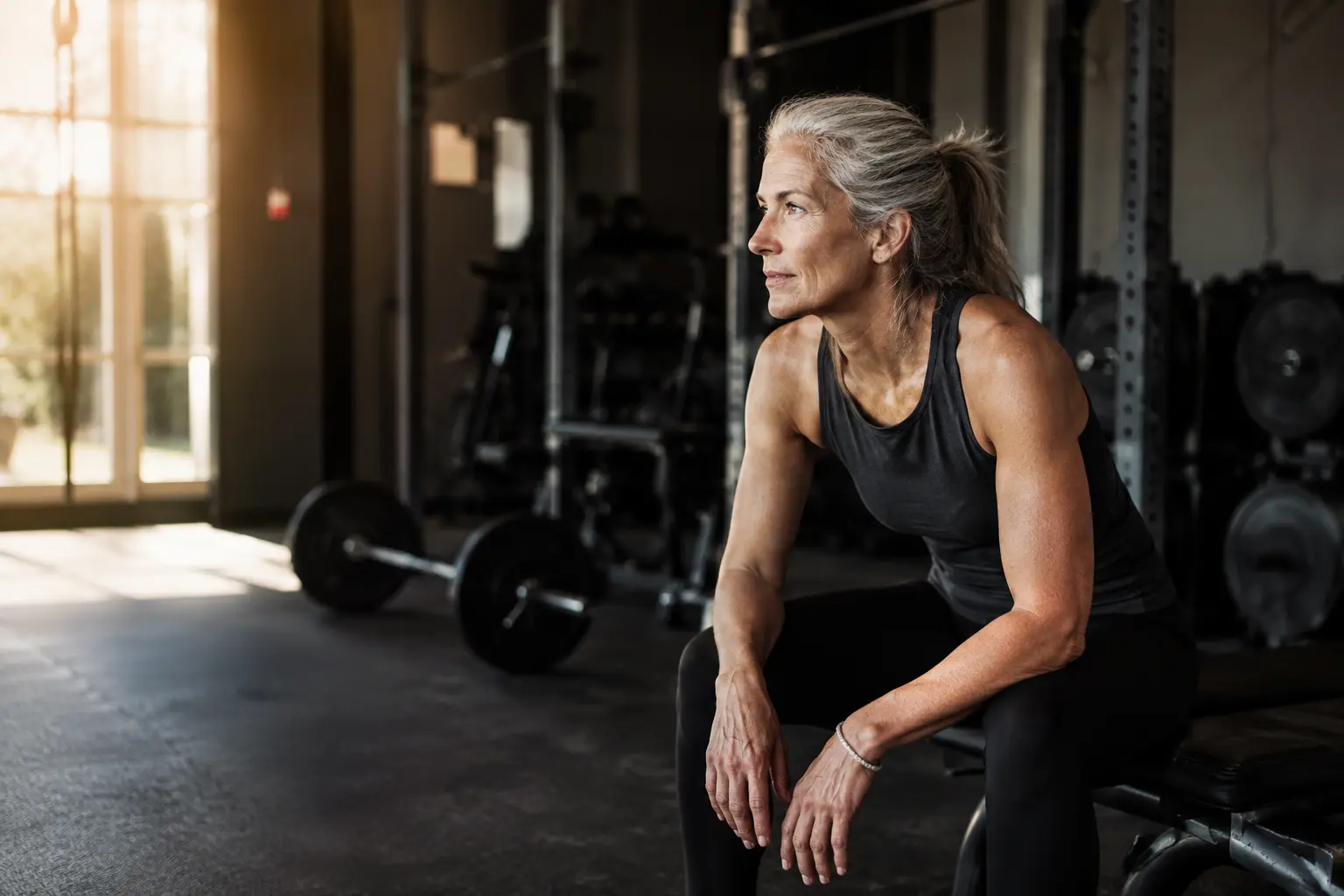
You’re tired, your bones feel fragile, and you watch yourself get weaker every year while everyone else seems to have endless energy and strength training for healthspan is the one thing nobody told you actually works.
Benefits of strength training
Strength training offers a multitude of benefits for women that go far beyond just looking toned. When you lift weights or use resistance, your body responds by building muscle fibers, which directly increases your metabolic rate. This means you burn more calories even at rest. Beyond metabolism, strength training dramatically improves bone density, which becomes increasingly critical as women age and face higher osteoporosis risk. You’ll also notice enhanced physical functionality in daily life. Carrying groceries becomes easier. Playing with kids or grandkids feels less exhausting. Your posture improves, reducing back pain. Women who strength train consistently report better balance, reduced fall risk, and greater confidence in their bodies. The mental health benefits are equally powerful. The sense of accomplishment from lifting heavier weights or completing more repetitions builds self-efficacy that extends into other areas of life.
- Builds muscle strength and endurance
- Enhances bone health and minimizes the risk of osteoporosis
- Boosts metabolism and aids in weight management
Getting started with strength training
If you’re new to strength training, the best approach is to start where you are with what you have. Bodyweight exercises like squats, lunges, and push-ups require zero equipment and teach your body proper movement patterns. Begin with three sets of eight to ten repetitions, focusing entirely on how the movement feels rather than speed. A squat means lowering your hips back and down as if sitting into a chair, keeping your chest upright and weight in your heels. After two to three weeks of bodyweight work, your nervous system adapts and you’re ready to add resistance. Resistance bands are affordable and portable. Dumbbells offer versatility. Kettlebells work multiple muscle groups simultaneously. The key is consistency over intensity at this stage. Many women make the mistake of jumping into heavy weights immediately, which leads to poor form and injury. Start light, master the movement, then progress. Your future self will thank you for building this foundation correctly.
📘 Fix your day in under 2 minuteschoose where to begin:
Form and technique importance
Proper form is non-negotiable in strength training because bad form doesn’t just reduce results, it actively creates injury. Consider a common scenario: a woman performs a bicep curl with momentum, swinging the weight up using her shoulders and back instead of isolating her biceps. She feels like she’s working hard, but she’s actually training the wrong muscles and stressing her shoulder joints. Over weeks, this leads to shoulder pain that sidelines her entirely. Correct form means controlled movement through the full range of motion. For a bicep curl, your elbows stay at your sides, you lower the weight with the same control you used to lift it, and you feel tension in your biceps throughout. Video yourself performing exercises or work with a trainer for at least a few sessions. Many gyms offer free form checks. Online resources from reputable fitness coaches provide clear demonstrations. The investment in learning proper technique now prevents months of frustration from injury later. Your joints, tendons, and muscles all depend on this foundation.
Progression and consistency
Progression means gradually increasing the challenge your muscles face, which forces them to adapt and grow stronger. This doesn’t always mean heavier weight. You can add an extra repetition, reduce rest between sets, increase range of motion, or slow down the movement tempo. Track your workouts in a simple notebook or phone app. Write down the exercise, weight used, and repetitions completed. When you return to that exercise, you have a clear target to beat. Consistency matters more than intensity. Two focused, well-executed sessions per week produces better results than sporadic intense workouts. Many women start strong in January but fade by March because they treat strength training as a temporary fix rather than a sustainable habit. The women who see lasting results view it as part of their lifestyle, like brushing their teeth. They schedule it, protect that time, and show up even when motivation is low. Within eight to twelve weeks of consistent training, you’ll notice visible changes in muscle definition, improved energy levels, and clothes fitting differently.
Nutrition and recovery
Your muscles don’t grow during the workout. They grow during recovery when you’re resting and eating well. Protein is essential because it provides amino acids your body uses to repair and build muscle tissue. Aim for protein at each meal, whether that’s eggs, Greek yogurt, chicken, fish, beans, or tofu. Carbohydrates fuel your workouts and replenish energy stores. Healthy fats support hormone production and joint health. A practical example: after a strength training session, eat a meal containing protein and carbs within two hours. This might be grilled chicken with sweet potato and broccoli, or salmon with rice and vegetables. Sleep is equally critical. During deep sleep, your body releases growth hormone and repairs muscle damage from training. Aim for seven to nine hours nightly. Many women underestimate recovery, pushing hard in the gym but then skimping on food and sleep. This creates a bottleneck where your body can’t adapt to the training stimulus. Prioritize recovery as seriously as you prioritize the workout itself.
Strength training for women offers numerous benefits such as improved muscle strength, bone density, metabolism, and overall physical function. Starting with bodyweight exercises, focusing on form, progressing consistently, and prioritizing nutrition and recovery are essential components for achieving optimal results.
How often should women engage in strength training?
Women should aim to strength train 2-3 times per week to experience significant benefits in muscle strength, bone health, and overall physical fitness.
Is it necessary to lift heavy weights for effective strength training?
While lifting heavy weights can be beneficial for muscle growth, women can still achieve significant results by incorporating bodyweight exercises and lighter weights with higher repetitions.
Others also read:
Disclaimer: This article is for informational purposes only and is not a substitute for professional medical advice. Always consult a healthcare professional for personal guidance.
This guide has been prepared and reviewed by the GlobalHealthBeacon editorial team and reflects current medical research as of 2026. It provides structured, evidence-based information to support informed health decisions.
