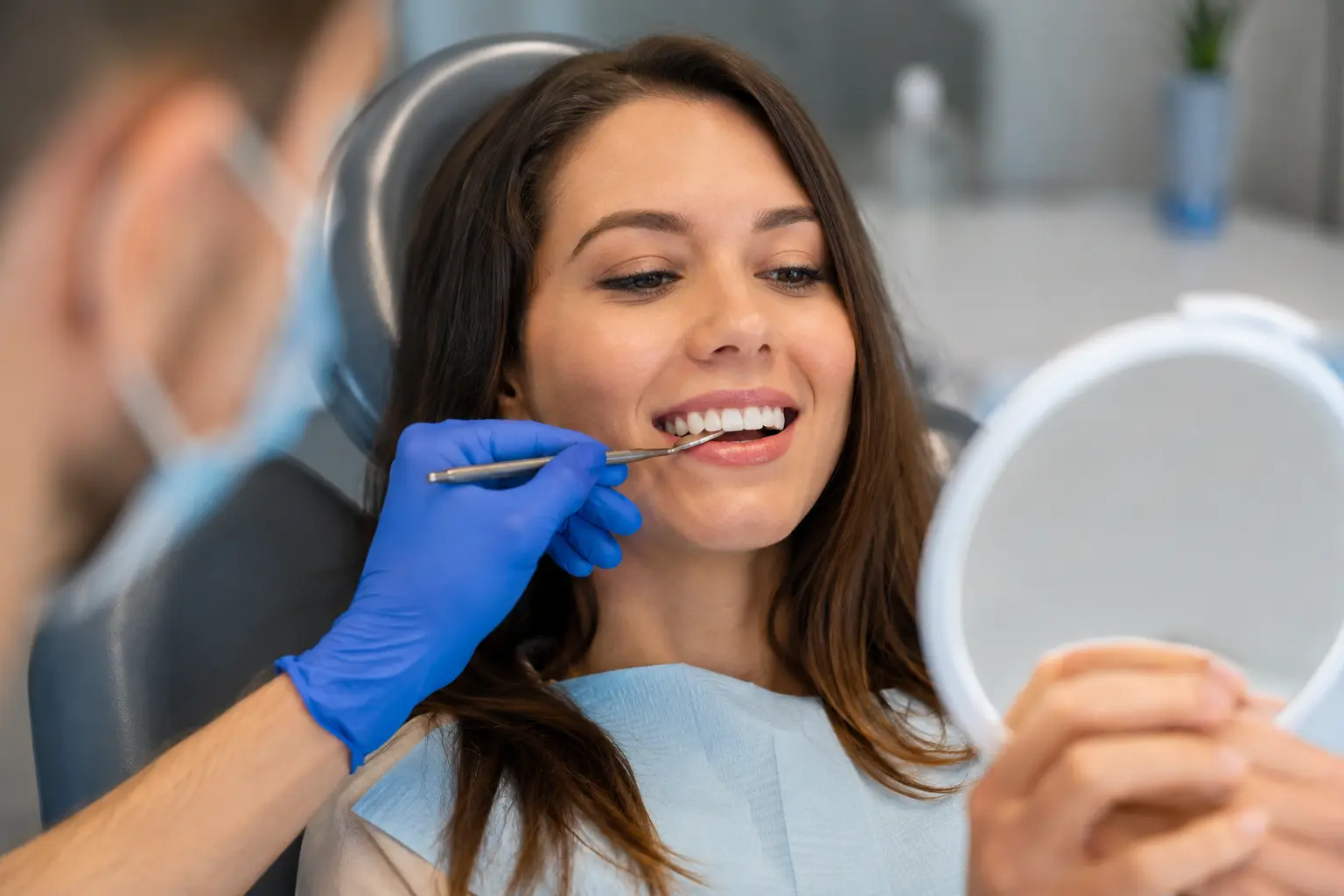
You catch your reflection and immediately think about that chipped tooth, the slight discoloration, or the gap that makes you hesitant to smile in photos, and cosmetic dental bonding might be the straightforward solution you’ve been searching for.
Understanding cosmetic dental bonding
Cosmetic dental bonding is a procedure where a tooth-colored resin material is applied directly to the surface of your teeth and then hardened using a special ultraviolet light. Think of it like sculpting your smile in real time. The resin used is a composite material that’s engineered to match the natural shade and translucency of your existing teeth, making the repair virtually invisible to the naked eye. This technique can address cracked teeth from that accidental fall, chipped edges from biting into something unexpectedly hard, discolored spots that won’t respond to whitening, or even small gaps between teeth. For young adults, bonding offers a particularly appealing option because it’s minimally invasive, requires no anesthesia in most cases, and can be completed in a single appointment. Unlike veneers or crowns that require significant tooth structure removal, bonding preserves your natural tooth while still delivering a natural and seamless aesthetic improvement.
Bonding process explained
The bonding process begins with your dentist carefully examining the tooth and determining the exact shade match needed. First, the tooth surface is gently roughened using a special instrument, creating microscopic texture that helps the bonding material grip more effectively. Next, a conditioning liquid is applied to the roughened surface, which further enhances adhesion by chemically preparing the tooth structure. The dentist then applies the composite resin in layers, sculpting each layer to match the natural contours of your tooth. This is where the artistry comes in, as your dentist shapes and molds the material to blend seamlessly with surrounding teeth. Once the desired shape is achieved, a curing light is used to harden each layer, transforming the soft putty-like material into a solid, durable structure. The final step involves careful polishing and refinement, where your dentist uses specialized instruments to ensure the bonded area matches the texture and shine of your natural tooth. This entire process typically takes 30 to 60 minutes per tooth, depending on the complexity of the repair.
Factors influencing bonding results
The success and longevity of dental bonding depends on several interconnected factors that work together to determine how well your restoration holds up over time. The skill and experience of your dentist plays a crucial role, as bonding is as much an art as it is a science. A dentist who specializes in cosmetic procedures understands how to match shade, shape, and texture with precision, creating results that look natural rather than obviously repaired. The type of bonding material used also matters significantly, as newer composite resins offer superior durability and stain resistance compared to older formulations. Your own oral hygiene habits are equally important, since plaque buildup and decay around bonded areas can compromise the restoration. Additionally, lifestyle factors like smoking, consuming staining beverages such as coffee or red wine, and habits like teeth grinding or nail biting can accelerate wear and discoloration. Following your dentist’s post-treatment care instructions is essential for maximizing the lifespan of your bonding. Regular dental check-ups allow your dentist to monitor the condition of bonded teeth and catch any early signs of wear or damage before they become problematic.
- Follow proper oral hygiene practices, including brushing twice daily with a soft-bristled toothbrush and flossing daily to prevent decay around bonded areas.
- Avoid biting on hard objects like ice, hard candy, or pen caps, and refrain from using your teeth as tools to open packages or bottles.
- Schedule regular dental check-ups every six months to monitor the condition of bonded teeth and address any wear or staining before it worsens.
🔬 Science-backed benefits in 2 minuteschoose where to begin:
Benefits and limitations of dental bonding
Dental bonding offers several compelling advantages that make it particularly attractive for young adults seeking smile improvements. It’s minimally invasive, requiring little to no removal of healthy tooth structure, which means your natural tooth remains largely intact. The cost is significantly lower than alternatives like veneers or crowns, making it accessible for those on a budget. The procedure can typically be completed in one visit, so you don’t need multiple appointments or temporary restorations. However, bonding does have limitations worth understanding. The composite resin material is not as durable as porcelain veneers or crowns, and while it can last several years with proper care, it may eventually require touch-ups or replacement. Bonding is also more prone to staining than porcelain, so your habits around coffee, tea, and red wine matter more. Additionally, bonding may not be suitable for large repairs or teeth that experience significant biting force. Your dentist can evaluate your specific situation and discuss whether bonding is the right choice or if alternatives might serve you better long-term.
Maintaining bonded teeth
Protecting your bonded teeth requires awareness of habits and behaviors that can weaken or damage the restoration. Avoid biting on hard objects like ice, hard candy, or unpopped popcorn kernels, as these can chip or crack the bonded material. Don’t use your teeth as tools to open bottles, tear tape, or crack nuts, as this puts excessive force on the bonding and can cause it to separate from the tooth. If you grind your teeth at night, discuss this with your dentist, as they may recommend a night guard to protect your bonding from stress damage. Be mindful of staining habits, particularly if you consume coffee, tea, red wine, or smoke, as these can discolor the composite material over time. Regular dental cleanings every six months help remove surface stains and allow your dentist to inspect the bonding for any signs of wear or deterioration. If you notice any roughness, discoloration, or separation of the bonded material from your tooth, contact your dentist promptly, as early intervention can prevent more extensive damage and extend the life of your restoration.
Choosing the right dental professional
Selecting the right dentist for cosmetic bonding is crucial, as the quality of your results depends heavily on their skill, experience, and artistic eye. Look for a dentist who specifically mentions cosmetic or aesthetic dentistry as an area of focus, as this indicates they’ve invested time in developing these specialized skills. Check their portfolio or ask to see before-and-after photos of previous bonding cases to evaluate the quality and naturalness of their work. Read online reviews from other young adults who’ve had bonding done, paying attention to comments about the appearance of results and how long the bonding lasted. Don’t hesitate to schedule consultations with multiple practices to discuss your goals and get a feel for how the dentist listens and communicates. Ask about the specific composite materials they use and why they prefer them. A good dentist will explain their approach, answer your questions thoroughly, and be honest about whether bonding is the best option for your situation or if you might benefit from alternatives. Trust your instincts about whether you feel comfortable and confident with the dentist before moving forward with treatment.
Cosmetic dental bonding offers a convenient and effective solution for enhancing the appearance of your smile through a straightforward procedure that involves applying a tooth-colored resin to improve the aesthetics of your teeth. By understanding the bonding process and factors affecting its success, you can make informed decisions about your dental care.
Is dental bonding a permanent solution?
Dental bonding is durable but not permanent. With proper care and maintenance, bonded teeth can last several years before requiring touch-ups or replacements.
Does dental bonding require special care?
While dental bonding does not require significant changes to your oral hygiene routine, it’s essential to avoid habits that can damage the bond, such as biting on hard objects or using teeth as tools.
Others also read:
Disclaimer: This article is for informational purposes only and is not a substitute for professional medical advice. Always consult a healthcare professional for personal guidance.
This article has been prepared and reviewed by the GlobalHealthBeacon editorial team and is based on current medical research and published scientific literature available in 2026. It provides structured, evidence-based information to support informed health decisions.
