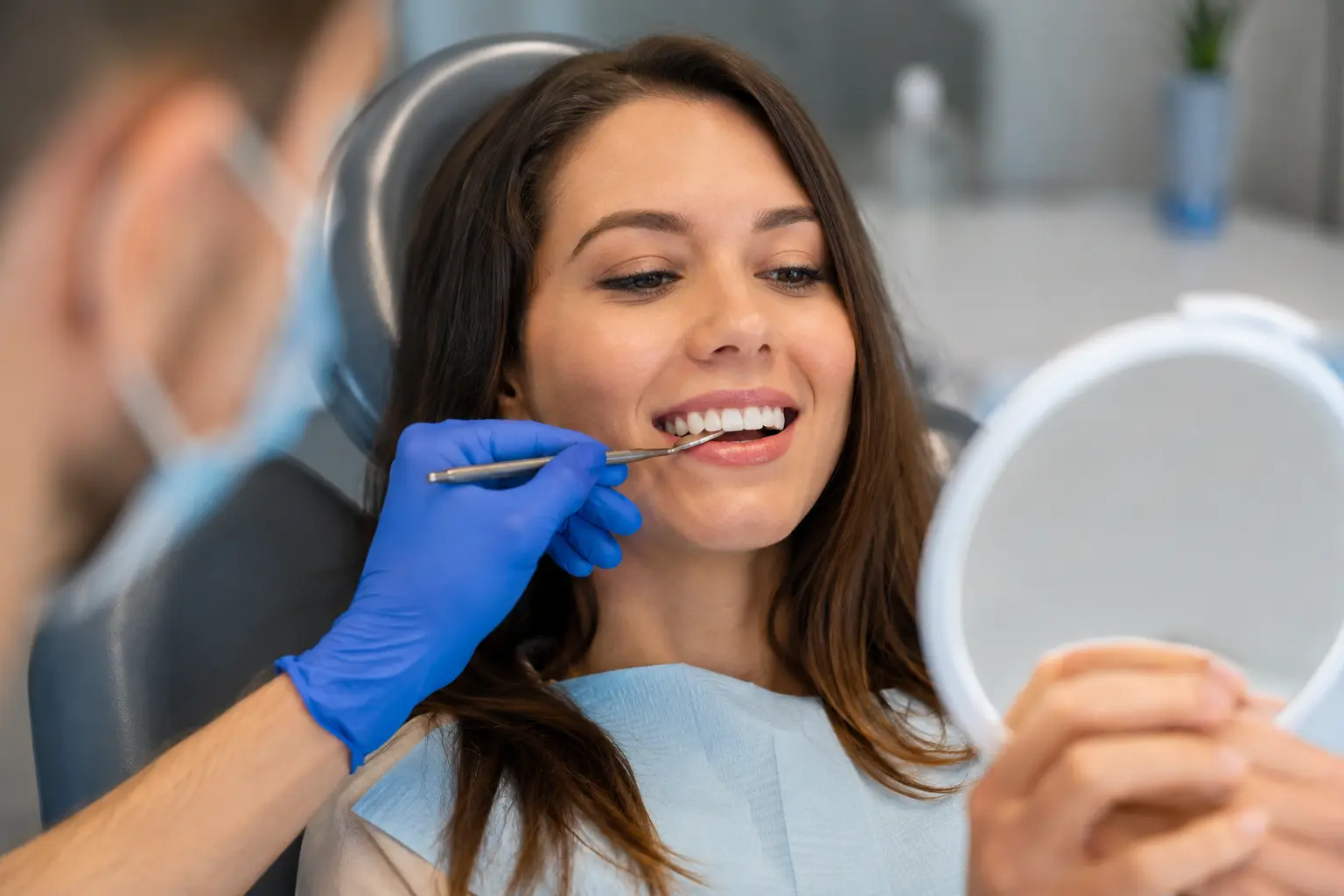
You glance in the mirror and notice that chip on your front tooth, or maybe those gaps that have bothered you for years, and you think there has to be a simpler fix than months of orthodontics or expensive veneers, and that’s exactly where cosmetic dental bonding steps in as a game-changing solution that actually works.
What is cosmetic dental bonding?
Cosmetic dental bonding is a restorative procedure where a tooth-colored composite resin material is carefully applied to the tooth surface and then hardened using a specialized ultraviolet light source. This versatile treatment addresses multiple dental concerns in a single appointment. The resin can repair chipped or cracked teeth that result from accidents or wear, cover discolored teeth that resist whitening treatments, close small gaps between teeth without orthodontic intervention, reshape teeth that appear naturally misshapen or uneven, and protect exposed root surfaces caused by gum recession. Unlike more invasive procedures, bonding works by adhering directly to your existing tooth structure, making it an accessible option for many women seeking smile improvements. The procedure has become increasingly popular because it combines affordability with visible results, often completed in just one or two visits to your dentist’s office.
The bonding process explained
The bonding journey begins with your dentist selecting the precise shade of resin that matches your natural tooth color, ensuring the final result blends seamlessly with your smile. This color-matching step is crucial because it determines whether the bonded tooth will look natural or stand out. Next, your dentist gently roughens the tooth surface using a special instrument, creating microscopic texture that helps the bonding material grip more effectively. A conditioning liquid is then applied to further prepare the tooth and enhance adhesion. The composite resin is carefully applied in layers, with your dentist molding and shaping each application to achieve the desired contour and appearance. Once the shape looks right, a specialized curing light is directed at the bonded area, hardening the resin through a chemical reaction that typically takes just 20 to 40 seconds per layer. The entire process usually takes between 30 minutes to an hour, depending on the extent of the bonding needed.
Key steps in cosmetic dental bonding
Understanding the bonding procedure helps you know what to expect during your appointment and why each step matters. First comes preparation, where your dentist examines your tooth and selects a resin shade by holding color samples against your natural teeth in natural light, ensuring accuracy. The tooth surface is then isolated and dried completely, because moisture can interfere with bonding strength. A mild etching solution is applied for about 15 to 30 seconds, creating a slightly roughened surface that acts like velcro for the resin. The etching solution is rinsed away and the tooth is dried again. Next is application, where the tooth-colored resin is placed onto the prepared surface and carefully sculpted using specialized instruments and your dentist’s hands. Your dentist shapes the resin to match the contours of your natural tooth, paying attention to subtle details like ridges and curves. Finally comes curing, where the hardening light is applied to solidify the resin, transforming it from a putty-like consistency into a durable, tooth-like material. Your dentist may apply multiple layers, curing between each one to build up the desired thickness and strength.
- Preparation of tooth surface through cleaning, etching, and selection of matching resin shade for seamless blending.
- Application of resin in layers, carefully molded and shaped to achieve natural contours and desired aesthetic result.
- Curing each layer with specialized ultraviolet light to harden the resin and create a durable, long-lasting bond.
🔬 Science-backed benefits in 2 minuteschoose where to begin:
Benefits of dental bonding for women
Cosmetic dental bonding offers women a non-invasive pathway to smile improvement that respects both their time and budget. The procedure requires no anesthesia in most cases, meaning you can return to your normal activities immediately afterward without downtime or recovery periods. Many women appreciate that bonding preserves more of the natural tooth structure compared to crowns or veneers, which require significant tooth reduction. The results are visible instantly, allowing you to see your improved smile before you leave the dental chair. For women managing multiple dental concerns, bonding can address several issues in a single appointment, from closing a gap to repairing a chip to evening out tooth shape. The confidence boost that comes from a smile you feel comfortable showing extends into professional interactions, social situations, and personal relationships. With consistent care, bonded teeth can maintain their appearance and function for several years, providing a meaningful return on your investment in your smile.
Limitations of cosmetic dental bonding
While dental bonding is effective and accessible, understanding its limitations helps you make an informed decision about whether it suits your needs. The composite resin used in bonding is not as stain-resistant as tooth enamel or the materials used in veneers, meaning it can gradually absorb color from coffee, tea, red wine, and tobacco over time. This staining is not permanent and can be addressed through professional cleaning or reapplication, but it requires awareness and preventive habits. Bonded teeth can chip or break if subjected to excessive force, so habits like nail-biting, chewing ice, or using teeth to open packages can compromise the bonding. The resin is also softer than natural tooth enamel, making it more susceptible to wear in areas that experience heavy chewing pressure. For larger gaps or more extensive cosmetic concerns, bonding may not provide results as durable or aesthetically refined as veneers or orthodontic treatment. Understanding these trade-offs helps you approach bonding with realistic expectations and appropriate maintenance strategies.
Long-term care and maintenance
Maintaining your bonded teeth requires attention to both oral hygiene and lifestyle habits that protect your investment. Brush twice daily with a soft-bristled toothbrush and non-abrasive toothpaste, using gentle circular motions rather than aggressive scrubbing that can wear away the resin. Floss daily, being careful around the bonded areas to avoid catching or pulling on the resin edges. Schedule dental check-ups every six months, allowing your dentist to monitor the bonding for any signs of wear, chipping, or separation. Avoid staining substances like tobacco, coffee, and tea, or if you consume them, rinse your mouth with water afterward and consider using a straw for beverages. Protect your bonded teeth from trauma by avoiding hard foods like nuts, hard candy, and ice, and by wearing a mouthguard if you play contact sports. If you notice any damage, discoloration, or changes in how your bite feels, contact your dentist promptly. Minor repairs can often be completed quickly, while addressing issues early prevents more extensive damage that might require complete rebonding.
Cosmetic dental bonding is a scientifically-grounded procedure that addresses various dental imperfections through a straightforward application of tooth-colored composite resin. The process involves careful preparation, precise application, and hardening with specialized light technology. For women seeking smile enhancement, bonding offers accessibility, minimal invasiveness, and visible results in a single appointment. While it has limitations regarding stain resistance and durability compared to some alternatives, proper care and maintenance can extend the longevity of bonded teeth significantly. Understanding both the benefits and limitations empowers you to make informed decisions about your dental health and aesthetic goals.
Is dental bonding a permanent solution?
Cosmetic dental bonding is classified as a semi-permanent solution that typically lasts between three to ten years depending on the location of the bonding, your bite force, and your maintenance habits. The resin material does not fuse permanently to your tooth like enamel, so it can gradually wear, chip, or separate over time. With excellent oral hygiene and protective habits, many women find their bonding lasts toward the longer end of this range. When bonding does deteriorate, your dentist can repair or replace it relatively easily, often without affecting the underlying tooth structure.
Can dental bonding be used to fix gaps between teeth?
Yes, dental bonding is an effective and popular option for closing small to moderate gaps between teeth, a condition dentists call diastema. Your dentist applies resin to one or both teeth adjacent to the gap, carefully shaping it to close the space while maintaining natural tooth proportions and a balanced smile. This approach works best for gaps up to about 2 to 3 millimeters. For larger gaps, your dentist might recommend orthodontic treatment or other options, but bonding offers a quick, non-invasive alternative for many women seeking immediate gap closure.
Others also read:
Disclaimer: This article is for informational purposes only and is not a substitute for professional medical advice. Always consult a healthcare professional for personal guidance.
This article has been prepared and reviewed by the GlobalHealthBeacon editorial team and is based on current medical research and published scientific literature available in 2026. It provides structured, evidence-based information to support informed health decisions.
