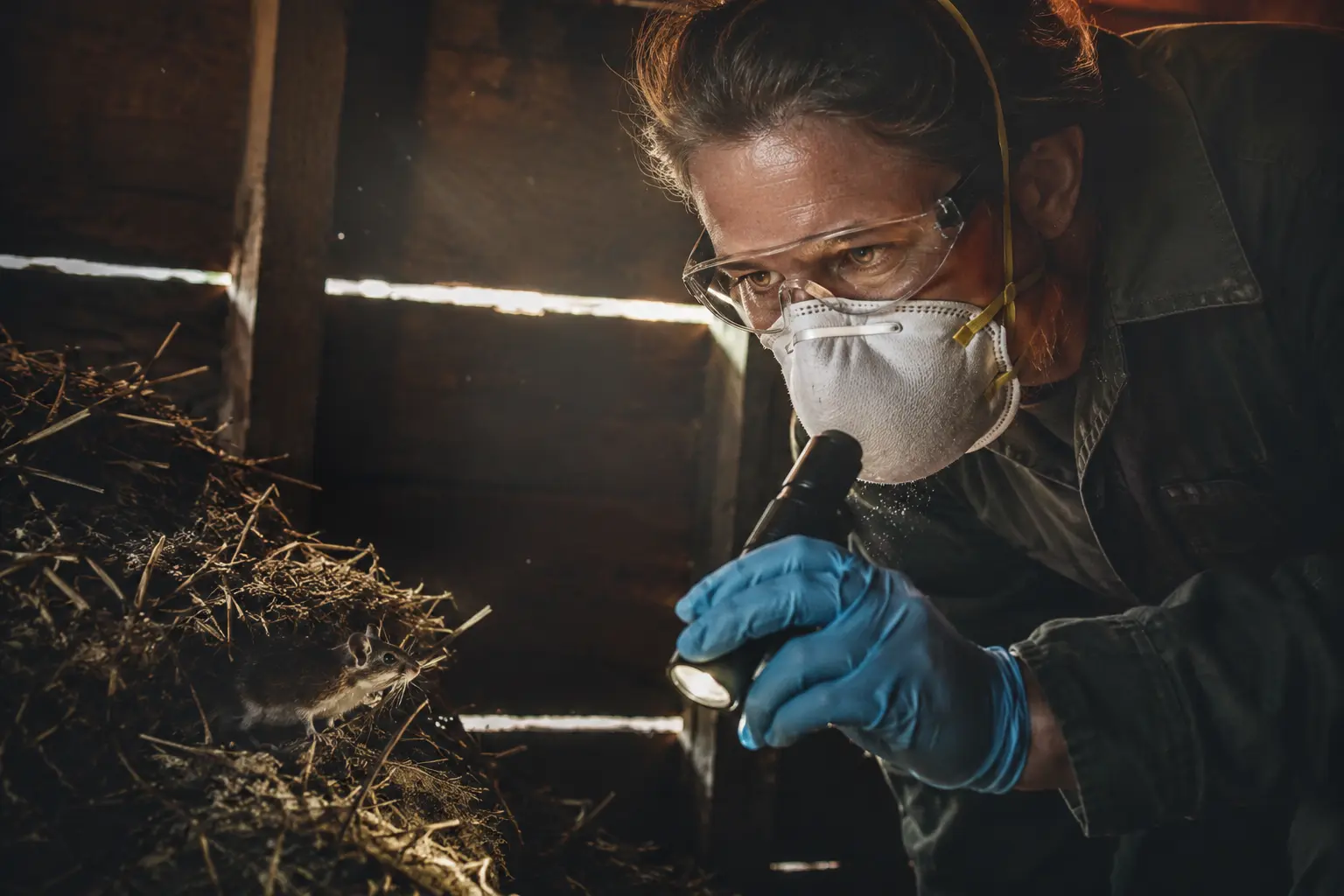
You’re cleaning out your garage or hiking through the woods and suddenly you’re gasping for breath, burning with fever, and wondering what hit you – this is what a hantavirus outbreak explained looks like in real life, and it’s way more serious than most people realize.
What is hantavirus?
Hantavirus belongs to a family of viruses called bunyaviruses, and it’s primarily carried by rodents like deer mice, cotton rats, and rice rats depending on your geographic location. The virus lives in the rodent’s body without making it sick, but when an infected rodent sheds the virus through urine, droppings, or saliva, that’s when humans become vulnerable. Think of it like this: a deer mouse in your attic isn’t just a pest problem, it’s a potential biohazard. The virus can survive on surfaces for several days, which means you don’t need direct contact with a living rodent to get infected. Different strains of hantavirus exist worldwide, with some causing primarily respiratory symptoms and others affecting the kidneys more severely. Understanding what you’re dealing with is the first step toward protecting yourself.
How does hantavirus spread?
The primary transmission route happens when you breathe in virus particles that become airborne from contaminated rodent materials. Imagine sweeping out a shed where mice have nested for months, or opening a cabin that’s been closed all winter – as you disturb dust and debris, tiny virus particles float into the air and enter your lungs. Direct contact with infected rodents, their nests, or their droppings can also transmit the virus, especially if you have cuts or abrasions on your hands. Saliva transmission is less common but possible if an infected rodent bites you. The virus cannot spread between humans, so you won’t catch it from another person. Certain activities increase your risk significantly: cleaning attics, working in barns, camping in rodent-infested areas, or handling firewood where mice nest. Understanding these specific scenarios helps you recognize when you’re in a higher-risk situation and take appropriate precautions.
Symptoms and diagnosis
Hantavirus infection typically begins with flu-like symptoms appearing between one to eight weeks after exposure, though most cases show up within two to three weeks. You might experience fatigue that feels disproportionately heavy, fever that spikes and drops, muscle aches that make movement uncomfortable, and headaches that won’t quit. As the infection progresses, respiratory symptoms emerge: shortness of breath, coughing, and chest tightness that can escalate quickly. Some strains cause kidney-related symptoms like nausea, vomiting, and lower back pain. Diagnosis requires a blood test that specifically detects hantavirus antibodies or genetic material, which your doctor can order if you report rodent exposure combined with these symptoms. The challenge is that early symptoms mimic common flu, so many cases go initially unrecognized. If you’ve had recent rodent contact and develop these symptoms, mentioning that exposure history to your healthcare provider is crucial for accurate diagnosis.
- Seek immediate medical attention if you experience shortness of breath, chest tightness, or severe fatigue, especially if you’ve been around rodents recently.
- Tell your healthcare provider specifically about any rodent exposure, including dates, locations, and what you were doing when exposed.
- Avoid contact with rodent droppings or urine by wearing gloves and a mask when cleaning potentially contaminated areas, and always ventilate the space well.
🔬 Science-backed benefits in 2 minuteschoose where to begin:
Treatment and prevention
Currently, no specific antiviral medication targets hantavirus, which is why early hospitalization and supportive care become essential when infection occurs. Hospital treatment focuses on managing symptoms, maintaining oxygen levels, and supporting kidney function if needed. This is why prevention is genuinely your best defense. Seal cracks and holes in your home’s foundation, walls, and around pipes where rodents could enter, using steel mesh or caulk. Store food in airtight containers and clean up crumbs immediately. Keep your living space clutter-free since rodents hide in piles of boxes, papers, and fabric. If you find rodent droppings, never vacuum or sweep them dry; instead, spray with disinfectant first, let sit for five minutes, then carefully clean. Wear gloves and a mask during this process. Trapping rodents humanely or with professional help reduces your exposure risk. These preventive steps might seem tedious, but they’re far simpler than dealing with a serious hantavirus infection.
Global impact of hantavirus
Hantavirus outbreaks have been documented across North America, South America, Europe, and Asia, with different strains causing regional disease patterns. In the Americas, the Sin Nombre virus causes hantavirus pulmonary syndrome, primarily affecting the lungs and respiratory system. In Europe and Asia, strains like Puumala virus tend to cause hemorrhagic fever with renal syndrome, impacting kidney function more severely. Outbreaks often spike during years with larger rodent populations, which can be influenced by weather patterns and food availability. The 1993 outbreak in the American Southwest killed dozens and brought hantavirus into public awareness. More recent clusters have occurred in various regions, reminding us that this isn’t a historical problem but an ongoing public health concern. Understanding regional strain differences helps public health officials and individuals recognize and respond to outbreaks more effectively.
Research and future outlook
Scientists are actively investigating hantavirus biology to develop better diagnostic tools that provide faster results and potential antiviral treatments that could reduce severity. Research focuses on understanding how the virus evades the immune system and identifying vulnerable points in its replication cycle. Vaccine development is underway in several countries, though no approved vaccine currently exists for general use. Public health agencies continue educating communities about rodent control and safe cleanup practices, especially in areas with known hantavirus presence. Climate change research suggests shifting rodent populations might alter hantavirus distribution patterns in coming decades. Community-based surveillance programs help track outbreaks early, enabling faster response. The combination of ongoing research, improved diagnostics, and public education offers hope for better prevention and management strategies in the future.
Hantavirus, transmitted through rodent exposure, represents a serious health threat capable of causing severe respiratory and kidney complications. Recognizing transmission routes, identifying early symptoms, and implementing practical prevention measures like rodent exclusion and safe cleanup protocols are essential for protecting yourself and your community from this viral outbreak.
Can hantavirus be cured?
There is no specific cure for hantavirus infection, but hospitalization with supportive care can help manage symptoms and support your body’s natural immune response. Early recognition and medical treatment significantly improve outcomes.
How can I protect myself from hantavirus?
Protect yourself by sealing entry points in your home, storing food securely, keeping spaces clean and clutter-free, and wearing protective equipment when handling potentially contaminated areas. Avoid direct contact with rodents and their habitats whenever possible.
Others also read:
Disclaimer: This article is for informational purposes only and is not a substitute for professional medical advice. Always consult a healthcare professional for personal guidance.
This article has been prepared and reviewed by the GlobalHealthBeacon editorial team and is based on current medical research and published scientific literature available in 2026. It provides structured, evidence-based information to support informed health decisions.
