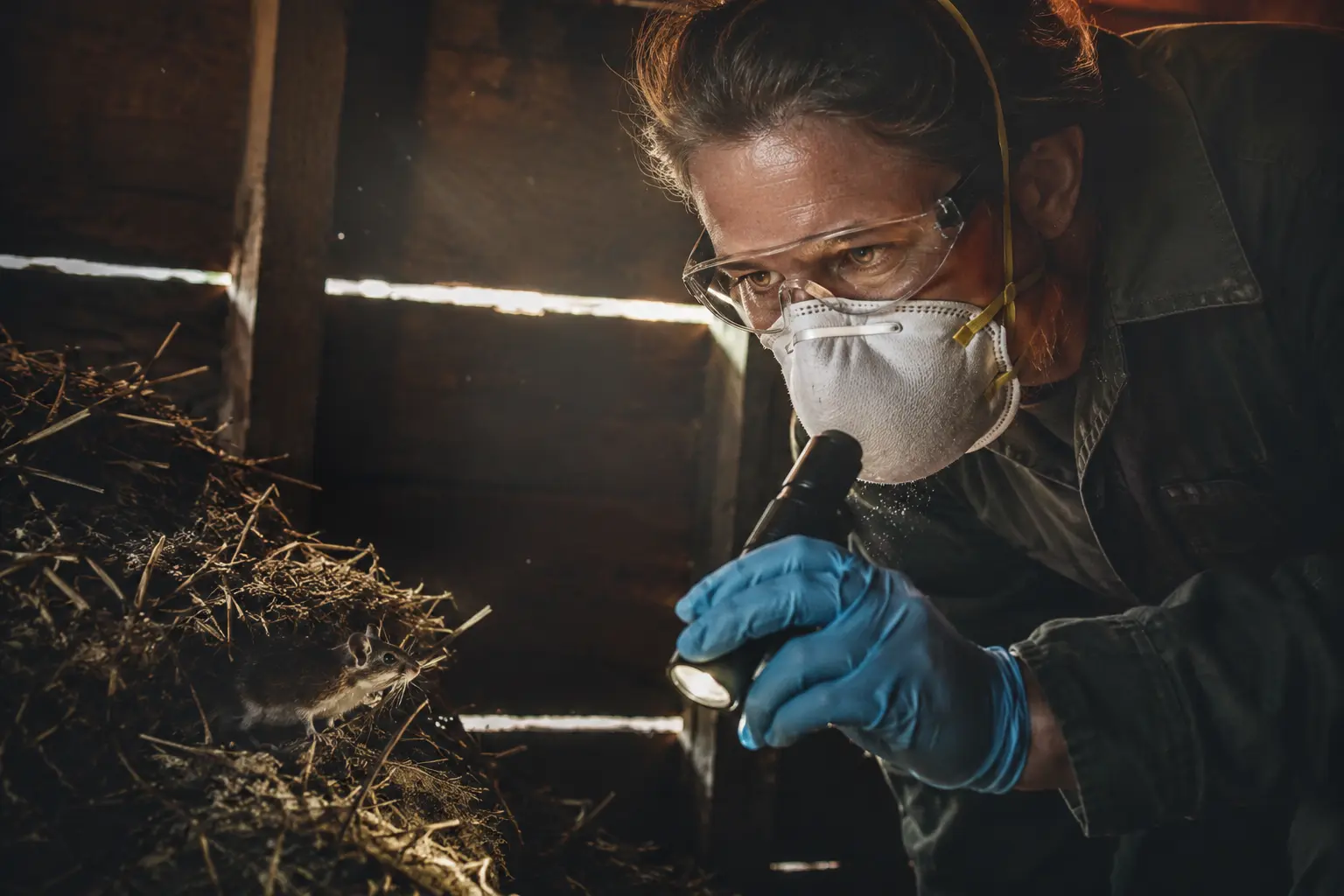
You’re cleaning out your garage, find mouse droppings, and suddenly wonder if you’ve just exposed yourself to something dangerous, and that’s exactly why understanding the hantavirus outbreak explained becomes critical for protecting your health.
What is hantavirus?
Hantavirus belongs to a family of viruses carried primarily by rodents such as deer mice, cotton rats, and rice rats. These viruses have existed in nature for centuries, but human awareness of them increased significantly after outbreaks in the 1990s. The virus spreads to humans through direct contact with infected rodent urine, saliva, or feces, or by inhaling dust particles contaminated with the virus. A common scenario involves someone cleaning an attic or shed where rodents have nested, unknowingly stirring up viral particles. The virus does not survive long outside the rodent host, which is why exposure typically occurs in enclosed spaces where rodent droppings accumulate. Different hantavirus strains exist across North America, Europe, and Asia, each potentially causing different disease patterns in infected individuals.
Symptoms of hantavirus infection
Hantavirus infection typically develops in two stages, beginning with early symptoms that resemble common flu. Initial signs include fever, muscle aches, fatigue, headache, and chills, usually appearing one to five weeks after exposure. Many seniors mistake these early warning signs for ordinary seasonal illness, which delays medical evaluation. The second stage emerges as the illness progresses, with symptoms shifting to respiratory distress, shortness of breath, and chest tightness. Some individuals experience nausea, vomiting, or abdominal pain. The critical window occurs when respiratory symptoms appear, as this indicates the virus is affecting lung function. Recognizing this progression is essential because early medical intervention can make a significant difference in outcomes. Seniors should seek immediate medical attention if they develop respiratory symptoms following potential rodent exposure, rather than waiting to see if symptoms resolve on their own.
Prevention steps for seniors
Preventing hantavirus exposure requires a multi-layered approach combining environmental control and personal protective practices. Start by conducting a thorough home inspection, looking for small holes, cracks, or gaps where rodents might enter. Pay special attention to areas around pipes, vents, and foundation cracks, as these are common entry points. When cleaning areas with suspected rodent activity, always wear disposable gloves and an N95 mask to avoid inhaling contaminated dust. Spray the area lightly with a disinfectant before sweeping to minimize airborne particles. Store all food in sealed containers and eliminate clutter that provides hiding spots for rodents. Maintain regular yard maintenance by removing brush piles and keeping grass trimmed. If you discover active rodent nesting, consider hiring professional pest control rather than handling it yourself, especially if you have respiratory conditions or a compromised immune system.
- Seal cracks and holes in your home to prevent rodents from entering.
- Store food in rodent-proof containers.
- Keep your living spaces clean and clutter-free.
🔬 Science-backed benefits in 2 minuteschoose where to begin:
Treatment options for hantavirus
Currently, no specific antiviral medication targets hantavirus directly, which is why early diagnosis and supportive medical care become critically important. When hantavirus infection is suspected, doctors focus on managing symptoms and preventing complications through hospitalization and intensive monitoring. Treatment involves oxygen therapy for respiratory distress, intravenous fluids to maintain hydration, and medications to manage fever and pain. In severe cases, patients may require mechanical ventilation to support breathing. The key to better outcomes lies in early recognition and prompt hospital admission, as medical professionals can monitor organ function closely and intervene quickly if complications develop. Seniors with underlying conditions like diabetes or heart disease face higher risks during infection, making preventive measures even more valuable. Recovery from hantavirus infection can be slow, with some patients experiencing lingering fatigue and weakness for weeks or months after the acute illness resolves.
Risk factors for seniors
Aging naturally changes how the immune system responds to infections, making seniors more vulnerable to severe hantavirus complications. The immune system becomes less efficient at fighting off viral invaders, and chronic conditions common in older adults such as diabetes, heart disease, and lung disease can worsen outcomes. Seniors who live in rural areas or older homes with potential rodent access face elevated exposure risk. Those with limited mobility may find it harder to maintain rodent-proof environments or avoid contaminated areas. Previous respiratory issues or weakened lung function increase the severity of hantavirus-related breathing problems. Additionally, seniors taking immunosuppressive medications for other conditions face compounded risk. Understanding these personal risk factors helps seniors make informed decisions about prevention strategies and when to seek medical evaluation. A single exposure that might cause mild illness in a younger person could trigger serious complications in an older adult with multiple risk factors.
Research and prevention efforts
Public health agencies and research institutions continuously monitor hantavirus activity and study transmission patterns to improve prevention strategies. Scientists track rodent populations in different regions to predict outbreak risks and alert communities to elevated danger periods. Recent research focuses on understanding why certain individuals develop severe disease while others experience milder symptoms, potentially leading to better treatment approaches. Vaccine development remains an active area of investigation, though no approved vaccines currently exist for general use. Public health campaigns educate communities about rodent control and safe cleanup practices, particularly in areas with documented hantavirus activity. Staying informed through official health department websites and trusted medical sources helps seniors understand current risks in their region. Sharing prevention knowledge with family members and neighbors creates community-wide protection, as reducing rodent populations benefits everyone.
Hantavirus is a group of viruses carried by rodents that can cause serious illness in humans through exposure to contaminated rodent droppings and urine. Seniors face higher risks of severe complications due to age-related immune changes and existing health conditions. Early recognition of symptoms, prompt medical attention, and consistent prevention measures form the foundation of protection against this virus.
Can hantavirus be transmitted from person to person?
No, hantavirus is primarily spread through contact with infected rodents and their droppings. Person-to-person transmission does not occur, making it safe to be around infected individuals without special precautions.
Are there vaccines available for hantavirus?
Currently, there are no approved vaccines for hantavirus available to the general public, but preventive measures such as rodent control and safe cleanup practices can significantly reduce the risk of infection.
Others also read:
Disclaimer: This article is for informational purposes only and is not a substitute for professional medical advice. Always consult a healthcare professional for personal guidance.
This article has been prepared and reviewed by the GlobalHealthBeacon editorial team and is based on current medical research and published scientific literature available in 2026. It provides structured, evidence-based information to support informed health decisions.
