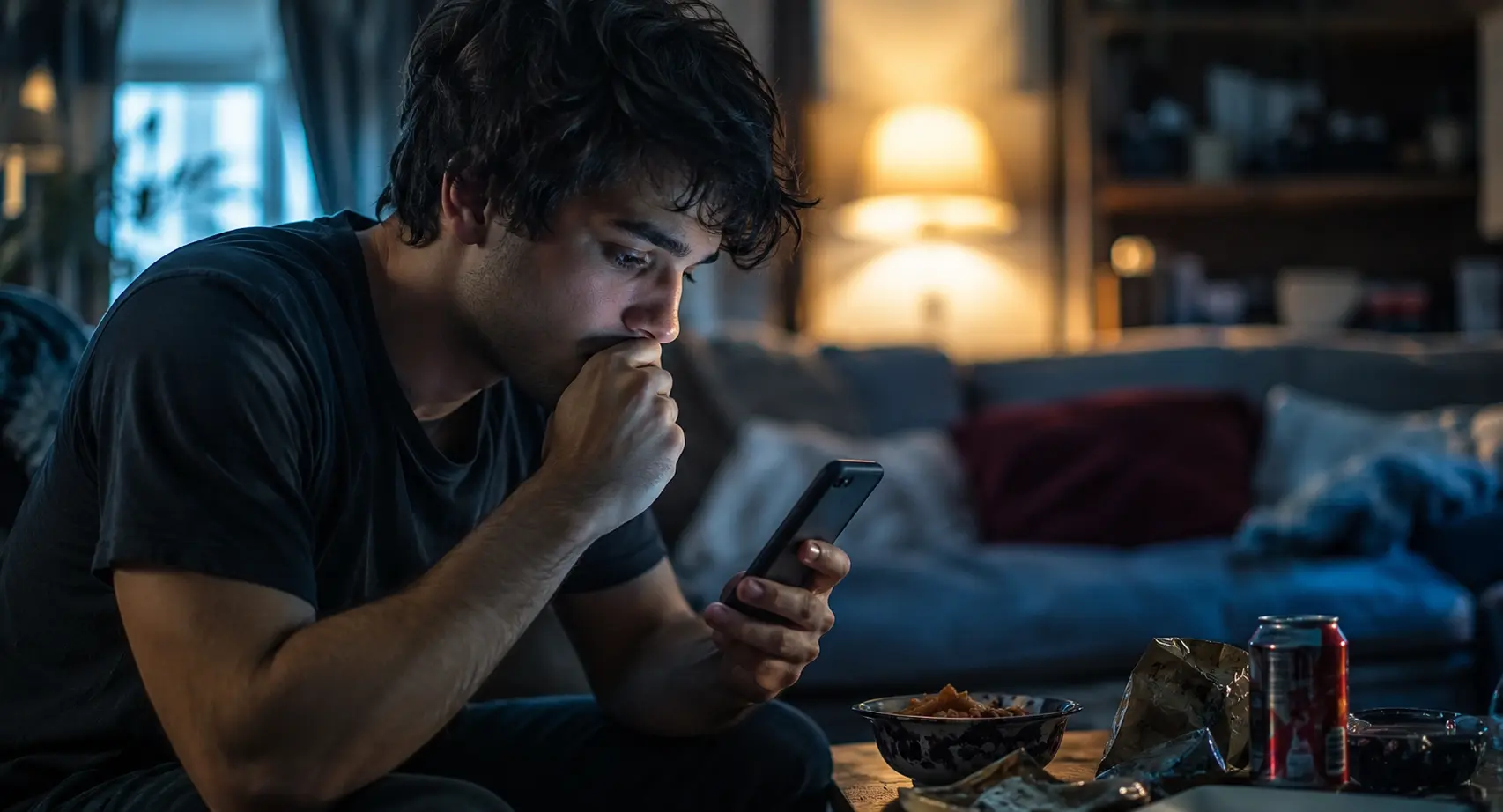
You’re scrolling at 2 AM again, your phone glowing in the dark, knowing you should stop but feeling powerless to do it, and behavioral addiction explained is finally the answer you’ve been searching for to understand why you can’t just quit.
Identifying behavioral addiction symptoms
Recognizing the warning signs of behavioral addiction is your first step toward reclaiming control. Unlike substance addiction, behavioral addiction sneaks up quietly, often disguised as harmless habits or simple preferences. You might notice yourself thinking about a specific behavior constantly, even when you’re trying to focus on work or spend time with loved ones. The key indicator is loss of control: you set boundaries (no shopping after 9 PM, only one hour of gaming), but you break them repeatedly. Another critical sign is continuing the behavior despite knowing it causes harm. Maybe your online shopping habit is straining your finances, or your exercise obsession is injuring your body, yet you find yourself unable to stop. Women often experience guilt and shame around these behaviors, which can deepen the cycle. Pay attention to how much time and mental energy the behavior consumes, whether you’re neglecting self-care, relationships, or responsibilities to engage in it, and if you feel anxious or irritable when you can’t participate in the behavior.
- Intense cravings and obsession with a specific behavior that occupies your thoughts throughout the day
- Inability to cut back or stop engaging in the behavior despite repeated attempts and promises to yourself
- Neglecting responsibilities, relationships, finances, or personal health due to the addiction
Exploring common types of behavioral addictions
Behavioral addictions take many forms, and understanding which ones affect women most commonly helps you recognize patterns in your own life. Shopping addiction, sometimes called compulsive buying disorder, is particularly prevalent among women and often stems from using purchases as emotional regulation or self-soothing. Technology and social media addiction keeps you checking notifications obsessively, comparing yourself to others, and losing hours to scrolling without realizing it. Gambling addiction affects women differently than men, often developing later in life and frequently triggered by stress or loneliness. Exercise addiction, sometimes masked as health-consciousness, involves compulsive workouts that ignore pain signals and interfere with daily life. Food-related behavioral addictions, including binge eating or restrictive eating patterns, deeply impact both physical and mental health. Each type carries distinct risks: shopping addiction drains finances, social media addiction erodes self-esteem and sleep quality, gambling addiction creates financial crisis, exercise addiction causes physical injury, and food addiction fuels shame cycles. The treatment approach varies depending on the underlying triggers, whether they’re emotional avoidance, social connection seeking, or control-seeking behaviors.
📘 Fix your day in under 2 minuteschoose where to begin:
Understanding the psychological impact
The mental health consequences of behavioral addiction run deeper than most people realize, creating a painful cycle that becomes harder to escape over time. When you engage in the addictive behavior, you experience temporary relief or pleasure, which your brain learns to crave. But afterward comes the crash: guilt, shame, anxiety about the consequences, and often depression about your perceived lack of willpower. For women, this cycle is compounded by societal expectations and self-judgment. You might internalize messages that you should have more self-control, that your addiction reflects personal weakness rather than a genuine mental health condition. This shame prevents many women from seeking help, keeping the cycle spinning. Behavioral addiction also damages your relationships because the behavior takes priority over people who matter to you. Your partner feels neglected, your children see you distracted, your friendships fade because you’re unavailable. This isolation intensifies depression and anxiety. Your self-esteem plummets as you repeatedly fail to meet your own standards. The stress hormones released during the addiction cycle and withdrawal can trigger physical health problems like sleep disruption, weakened immunity, and chronic pain, creating a vicious loop where physical discomfort drives more addictive behavior seeking.
Seeking professional help and support
Getting professional support is not a sign of failure; it’s a sign of self-respect and commitment to change. A therapist or counselor trained in behavioral addiction can help you understand the root causes: Are you using the behavior to escape trauma, manage anxiety, fill loneliness, or assert control? Cognitive-behavioral therapy (CBT) is particularly effective for behavioral addictions because it helps you identify triggers, interrupt automatic responses, and build new coping pathways. Some women benefit from medication if anxiety or depression underlies the addiction. Support groups, whether in-person or online, connect you with others who truly understand the struggle without judgment. Many women find that group settings reduce shame because you realize you’re not alone and not broken. A structured treatment plan might include weekly therapy sessions, daily journaling to track triggers, gradual exposure to situations where you typically engage in the behavior, and accountability partnerships. Some treatment centers offer intensive outpatient programs if your addiction significantly impairs daily functioning. The key is finding the right combination of support for your specific situation and being willing to show up consistently, even when progress feels slow.
Building healthy coping mechanisms
Replacing the addictive behavior requires intentionally building new ways to meet the underlying needs it was fulfilling. If you used shopping to feel powerful or deserving, you might redirect that energy into setting and achieving personal goals, learning new skills, or investing in experiences rather than objects. If social media addiction filled loneliness, prioritize real-world connections: schedule regular coffee dates, join a book club, take a class where you interact face-to-face. Mindfulness practices like meditation or body scanning help you notice the urge to engage in the behavior without automatically acting on it, creating space between impulse and action. Physical activity releases the same mood-regulating chemicals as many addictive behaviors, but without the negative consequences; walking, dancing, yoga, or swimming can become your new outlet. Creative pursuits like journaling, art, music, or writing give your brain something engaging to focus on. Setting up your environment matters too: delete apps, unsubscribe from shopping emails, remove triggers from easy access. When cravings hit, have a specific plan: call a friend, take a cold shower, do ten minutes of stretching, or step outside. Develop a self-compassion practice because you will slip up, and shame only feeds the cycle. Treat yourself with the kindness you would offer a close friend struggling with the same issue.
Behavioral addiction is a real condition that significantly impacts women’s mental health, relationships, and overall quality of life. The path forward involves recognizing your specific symptoms and triggers, understanding the psychological patterns keeping you stuck, reaching out for professional support without shame, and intentionally building healthier coping strategies that address your underlying needs. Recovery is possible, and you deserve support.
How can I differentiate between a habit and a behavioral addiction?
Habits are automatic behaviors you can modify relatively easily and that don’t cause significant distress or harm. Behavioral addictions involve compulsive engagement despite your genuine desire to stop, loss of control over frequency or duration, continued participation even when facing serious negative consequences (financial loss, relationship damage, health problems), and escalation over time where you need more of the behavior to feel the same effect. If a behavior interferes with your responsibilities, relationships, or wellbeing and you’ve tried multiple times to stop without success, it likely indicates addiction rather than habit.
Is behavioral addiction treatable?
Yes, behavioral addiction is absolutely treatable and many women successfully recover with the right support. Treatment typically combines therapy (especially cognitive-behavioral therapy), support groups, lifestyle changes, and sometimes medication to address underlying anxiety or depression. Recovery isn’t linear; you may experience setbacks, but each attempt teaches you something valuable about your triggers and coping strategies. Working with a mental health professional who specializes in behavioral addictions significantly increases your chances of sustained recovery.
Others also read:
Disclaimer: This article is for informational purposes only and is not a substitute for professional medical advice. Always consult a healthcare professional for personal guidance.
This guide has been prepared and reviewed by the GlobalHealthBeacon editorial team and reflects current medical research as of 2026. It provides structured, evidence-based information to support informed health decisions.
