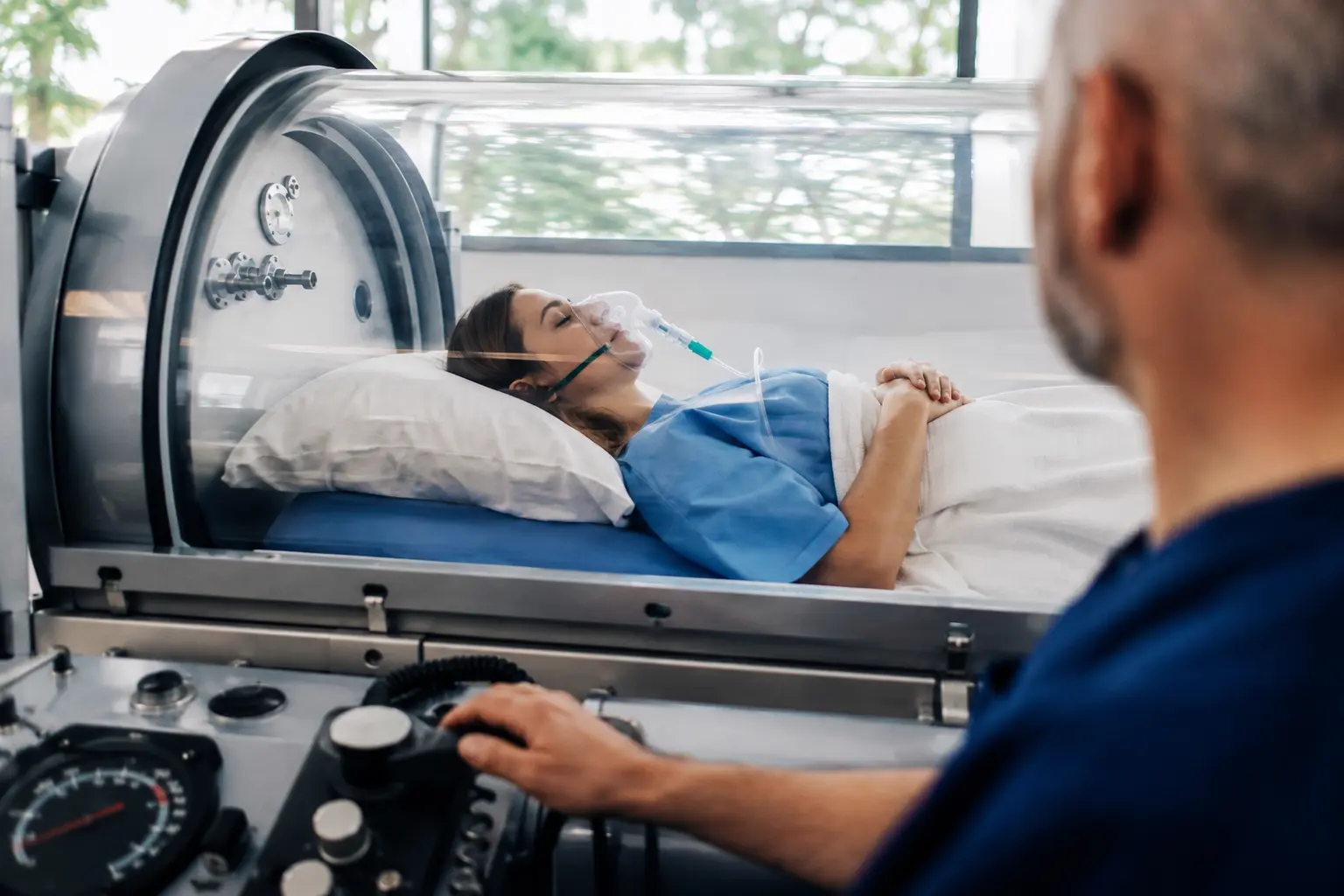
If you’re dealing with slow-healing wounds, chronic fatigue, or stubborn inflammation that won’t budge despite everything you’ve tried, hyperbaric oxygen therapy explained simply might be the turning point you need, and this guide walks you through exactly what to expect so you can make an informed decision with confidence.
Understanding hyperbaric oxygen therapy
Hyperbaric oxygen therapy, or HBOT, works by placing you in a pressurized chamber where you breathe pure oxygen at levels higher than what you experience at sea level. Think of it like supercharging your body’s ability to heal itself. When you breathe this concentrated oxygen, it dissolves into your bloodstream and reaches tissues that may be starved of oxygen due to injury, infection, or chronic conditions. For women specifically, this therapy has shown promise in treating diabetic foot ulcers, post-surgical wounds, radiation injuries, and even certain types of bone infections. The pressurized environment forces oxygen into areas where circulation might be compromised, essentially giving your body the tools it needs to repair itself more effectively. Research shows that HBOT can stimulate the growth of new blood vessels and boost your immune system’s ability to fight infection. Understanding this mechanism helps you appreciate why preparation and consistency matter so much for your treatment success.
- Learn about the benefits and potential risks of HBOT.
- Understand how the treatment is administered and what to expect during sessions.
- Discover the different types of hyperbaric chambers used for treatment.
Preparing for your HBOT session
The days leading up to your HBOT appointment set the stage for how well your body responds to treatment. Start by wearing loose, comfortable cotton clothing on the day of your session, as synthetic fabrics can create static electricity in the pressurized chamber. Remove all metal items including jewelry, watches, hearing aids, and even metal hair clips, since metal conducts electricity and poses a safety risk. The night before, avoid alcohol and heavy meals, as both can interfere with oxygen absorption and may cause nausea during treatment. On the morning of your appointment, skip caffeine and nicotine for at least two hours before entering the chamber. If you smoke, this is especially important, as smoking reduces your blood’s oxygen-carrying capacity. Eat a light, balanced meal about two hours before treatment to stabilize your blood sugar. Bring a list of all medications and supplements you take, as some may need adjustment. Many women find it helpful to use the bathroom right before entering the chamber, since you’ll be inside for 90 to 120 minutes. Arrive early to complete any paperwork and ask your medical team about what to bring for comfort during the session.
📘 Fix your day in under 2 minuteschoose where to begin:
During your HBOT session
Once you enter the hyperbaric chamber, the medical team will seal the door and begin the pressurization process. You may feel a sensation similar to what happens when an airplane takes off, with pressure building in your ears. This is completely normal and expected. To manage ear discomfort, try the Valsalva maneuver: gently pinch your nose and blow air into your ears, or simply chew gum or swallow to equalize pressure. The chamber will gradually reach the prescribed pressure level, usually equivalent to 2.4 to 3 atmospheres. Once fully pressurized, you can relax and breathe normally through a mask or hood that delivers the pure oxygen. Many women use this time to meditate, listen to calming music through provided headphones, or simply rest. Some facilities have entertainment systems or allow you to bring a book. The entire session typically lasts 90 to 120 minutes. You may feel a slight warming sensation as your body absorbs the oxygen. Stay calm and focused on your breathing. If you experience any discomfort beyond mild ear pressure, communicate with the medical team through the intercom system. They monitor you throughout the session and can adjust pressure or provide support as needed.
After your HBOT session
When the chamber depressurizes and you exit, your body has just received a significant oxygen boost that continues working at the cellular level for hours afterward. You may feel slightly tired or notice a mild headache, both of which are normal responses as your body adjusts. Drink plenty of water immediately after treatment to help flush your system and support the healing process. Eat a nutritious meal within two hours, focusing on protein and complex carbohydrates to sustain your energy levels. Some women experience temporary changes in vision or mild ear fullness that resolves within hours. Avoid strenuous exercise, heavy lifting, or intense activities for the rest of the day. If you drove yourself, make sure you feel alert before driving. Many women find it beneficial to rest for at least an hour after treatment. Keep track of how you feel after each session, as patterns may emerge that help you optimize your schedule. If you notice persistent fatigue, vision changes, or ear discomfort that doesn’t resolve, contact your healthcare provider. Most side effects are temporary and diminish as your body adapts to the treatment regimen.
Benefits and risks of HBOT
The benefits of HBOT are well-documented in medical literature and supported by decades of clinical use. Improved oxygen delivery to tissues accelerates wound healing, reduces inflammation, and enhances your immune system’s ability to fight infection. Women with diabetic ulcers, post-surgical complications, or chronic wounds often see significant improvement within 20 to 40 sessions. The therapy also promotes angiogenesis, which is the formation of new blood vessels, restoring circulation to compromised areas. Beyond physical healing, many women report improved energy levels and better overall quality of life as their conditions improve. However, HBOT does carry potential risks that deserve honest discussion. Temporary vision changes, such as myopia or blurred vision, can occur but typically resolve after treatment concludes. Ear barotrauma, or pressure-related ear discomfort, is common but manageable with proper equalization techniques. Oxygen toxicity is rare when treatments follow established protocols, but can cause seizures in extreme cases. Claustrophobia affects some women, though most facilities offer support and gradual acclimation. Rarely, patients experience sinus or dental discomfort due to pressure changes. Your healthcare provider will assess your individual risk factors and discuss whether HBOT is appropriate for your specific condition and medical history.
Hyperbaric oxygen therapy is a well-established treatment that involves breathing pure oxygen in a pressurized environment. Preparation is key to a successful session, and knowing what to expect before, during, and after treatment is crucial for optimal results.
Is hyperbaric oxygen therapy safe?
When performed by trained professionals in accredited facilities, hyperbaric oxygen therapy is considered safe. However, it’s essential to discuss any underlying health conditions or concerns with your healthcare provider before starting treatment. Certain conditions such as uncontrolled fever, chemotherapy, or claustrophobia may require special consideration or modification of your treatment plan.
How many HBOT sessions are typically recommended?
The number of HBOT sessions recommended varies depending on the condition being treated. Your healthcare provider will create a personalized treatment plan based on your specific needs. Most treatment protocols range from 20 to 40 sessions, though some conditions may require more or fewer sessions. Your provider will monitor your progress and adjust the plan as needed.
Others also read:
Disclaimer: This article is for informational purposes only and is not a substitute for professional medical advice. Always consult a healthcare professional for personal guidance.
This guide has been prepared and reviewed by the GlobalHealthBeacon editorial team and reflects current medical research as of 2026. It provides structured, evidence-based information to support informed health decisions.
