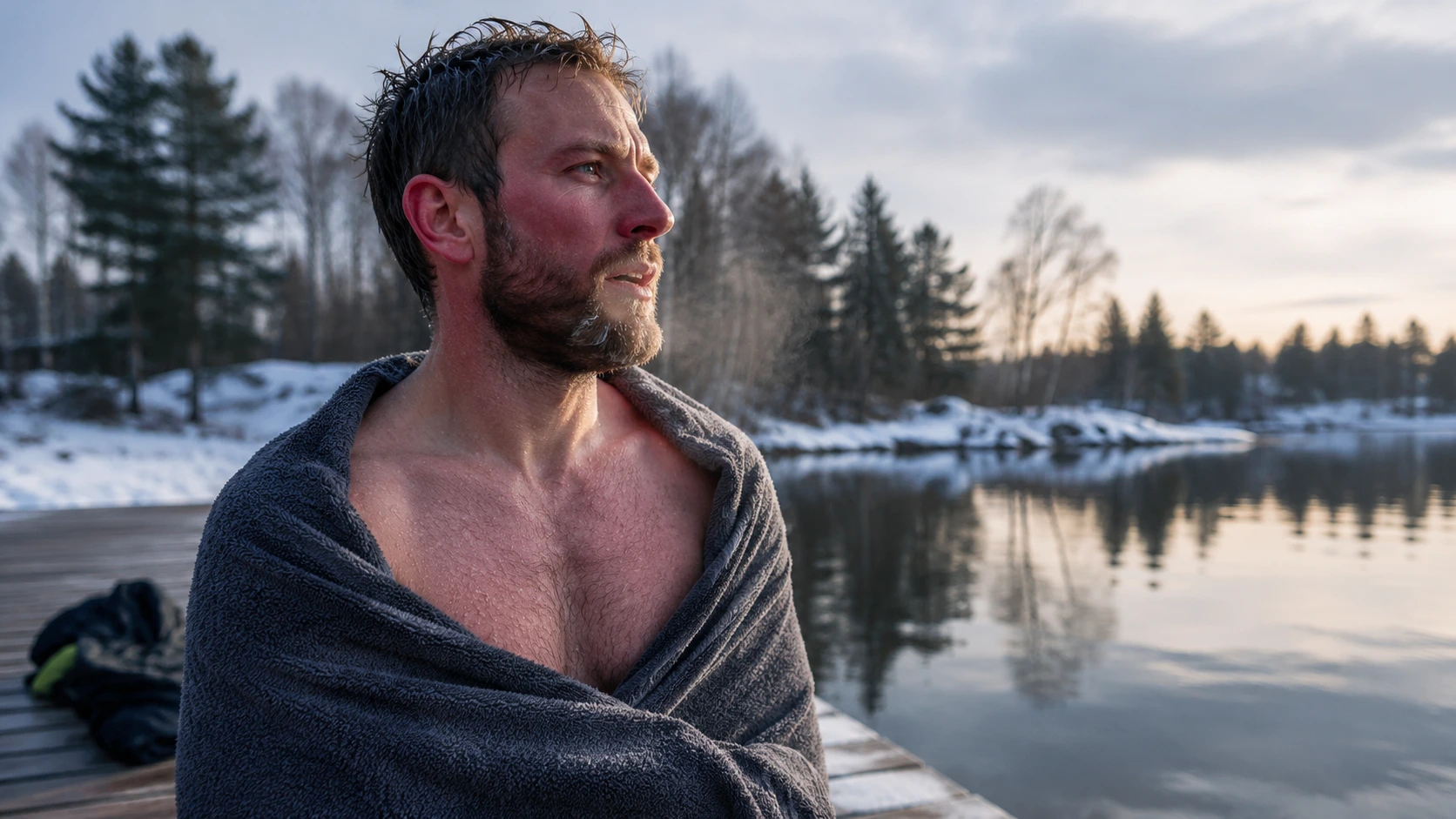
Your fingers go numb, your skin turns blotchy, and you feel like your body is working overtime just to keep warm—cold exposure health effects are real, and they hit women differently than men, so let’s talk about what actually happens to your body and what you can do about it.
Understanding the impact of cold exposure on women’s health
Cold exposure affects women’s bodies in distinct ways that deserve your attention. When you step into cold temperatures, your body immediately shifts into survival mode, triggering a cascade of physiological responses that differ based on hormonal cycles, body composition, and individual metabolism. Your metabolism can decrease as your body redirects energy toward maintaining core temperature, which is why you might feel sluggish or fatigued during winter months. However, moderate cold exposure also activates your brown adipose tissue, the metabolically active fat that burns calories to generate heat. Beyond metabolism, cold stress triggers your immune system to strengthen, potentially boosting your resistance to infections when exposure is gradual and controlled. Improved circulation is another benefit, as your blood vessels constrict and then dilate, promoting better oxygen delivery to your skin and tissues. Women in their reproductive years may notice their menstrual cycle responds to extreme cold, while those approaching menopause might experience different thermoregulation challenges. Understanding these nuances helps you recognize whether cold exposure is working for or against your health goals.
- Decreased metabolism due to the body expending energy to stay warm
- Enhanced immune response as a result of mild cold stress, promoting better overall health
- Improved circulation leading to better skin health and reduced inflammation
Adapting your lifestyle for better cold exposure management
Building cold resilience doesn’t mean forcing yourself into extreme conditions. Start with gentle, intentional practices that gradually acclimate your nervous system. Cold showers are a practical entry point: begin with 30 seconds of cold water at the end of your regular shower, then gradually extend the duration week by week. Outdoor walks in cool weather, even 15 to 20 minutes several times weekly, help your body adapt naturally without shock. Layer your clothing strategically so you can remove layers as your body warms, preventing overheating and subsequent chilling. Many women find that morning cold exposure, when cortisol is naturally higher, feels more manageable than evening exposure. Avoid common mistakes like jumping into ice baths without preparation or pushing through genuine pain signals. A practical scenario: Sarah, a 35-year-old, started with 20-second cold showers twice weekly, increased to 60 seconds over two months, and noticed improved energy and clearer skin. She paired this with warm herbal tea afterward, creating a ritual that felt sustainable. The key is consistency over intensity—your body adapts better to regular, moderate cold than to occasional extreme exposure.
📘 Fix your day in under 2 minuteschoose where to begin:
Finding the right balance: when to seek warmth
Your body sends clear signals when it needs warmth, and learning to recognize them prevents harmful overexposure. Shivering is your body’s first warning sign that temperature is dropping dangerously. Numbness, tingling, or loss of sensation in extremities indicates your body is prioritizing core organs over peripheral tissues and demands immediate warming. Women with conditions like Raynaud’s syndrome experience exaggerated cold responses and should be especially cautious. Hormonal fluctuations also matter: during the luteal phase of your cycle, your core temperature naturally rises, making cold exposure feel more uncomfortable and potentially less beneficial. Listening to your body means honoring discomfort rather than pushing through it. If you’re feeling fatigued, irritable, or experiencing disrupted sleep after cold exposure, you’re likely overdoing it. A practical approach is the 80/20 rule: spend 80 percent of winter feeling warm and comfortable, using cold exposure intentionally for 20 percent of your activities. This prevents the stress response from becoming chronic, which would undermine the immune benefits you’re seeking. Warmth isn’t weakness; it’s wisdom.
Enhancing cold exposure benefits with proper nutrition
What you eat directly influences how your body handles cold stress and recovers afterward. Your metabolism requires fuel to generate heat, so adequate calories and balanced macronutrients become especially important during cold months. Warming foods like bone broths, lentil soups, and root vegetables provide sustained energy and minerals your body needs for thermoregulation. Herbal teas such as ginger, turmeric, and cinnamon increase circulation and provide antioxidants that support immune function. Iron-rich foods like spinach and lean meats are crucial because iron helps your blood carry oxygen efficiently, which is vital when your circulatory system is working harder. Healthy fats from avocados, nuts, and fatty fish support hormone balance and reduce inflammation triggered by cold stress. Hydration matters too: cold air is dry, and your body loses moisture through increased respiration, so drinking water consistently prevents dehydration that can worsen cold sensitivity. A practical example: Emma noticed that eating a warm bowl of lentil soup with turmeric before her cold shower reduced post-exposure fatigue and improved her recovery. She also started sipping herbal tea throughout cold months, which stabilized her energy and mood. Timing matters as well; eating a small meal 1 to 2 hours before cold exposure provides your body with available energy for the challenge ahead.
Seeking professional advice for cold exposure management
Your individual health history, medications, and goals deserve personalized guidance that goes beyond general advice. A healthcare provider can assess whether cold exposure is appropriate for you, especially if you have cardiovascular conditions, hormonal imbalances, or autoimmune disorders that might be aggravated by cold stress. Cold exposure specialists or functional medicine practitioners can design protocols tailored to your specific needs and monitor your progress over time. They can also help you distinguish between beneficial cold adaptation and harmful overexposure, which can be difficult to judge alone. Women with thyroid conditions, for instance, may need different cold exposure approaches than those without thyroid issues. If you’re taking medications that affect circulation or temperature regulation, professional input ensures you’re not creating unintended interactions. A consultation also provides accountability and motivation, helping you stay consistent with practices that actually serve your health. Consider scheduling an initial appointment to discuss your cold exposure goals, current health status, and any concerns you have. Your provider can then recommend specific protocols, monitor your response through follow-up visits, and adjust recommendations as your body adapts. This partnership approach transforms cold exposure from guesswork into a strategic, safe component of your overall wellness plan.
Cold exposure impacts women’s health in various ways, influencing metabolism, immune function, and overall well-being. By understanding these effects and adopting lifestyle changes, women can effectively manage the impact of cold exposure on their health.
Is cold exposure suitable for all women?
Cold exposure may not be appropriate for individuals with certain health conditions. It is advisable to consult a healthcare provider before engaging in cold exposure practices.
Can cold exposure help with weight loss for women?
While cold exposure can potentially boost metabolism, its effects on weight loss in women vary. It is essential to combine cold exposure with a balanced diet and exercise for sustainable weight management.
Others also read:
Disclaimer: This article is for informational purposes only and is not a substitute for professional medical advice. Always consult a healthcare professional for personal guidance.
This guide has been prepared and reviewed by the GlobalHealthBeacon editorial team and reflects current medical research as of 2026. It provides structured, evidence-based information to support informed health decisions.
