Your knees are screaming after workouts, your joints feel beat up, and you’re convinced you have to choose between staying active and protecting your body, but here’s the truth: low impact cardio options let you build serious cardiovascular fitness without the punishment.
Walking
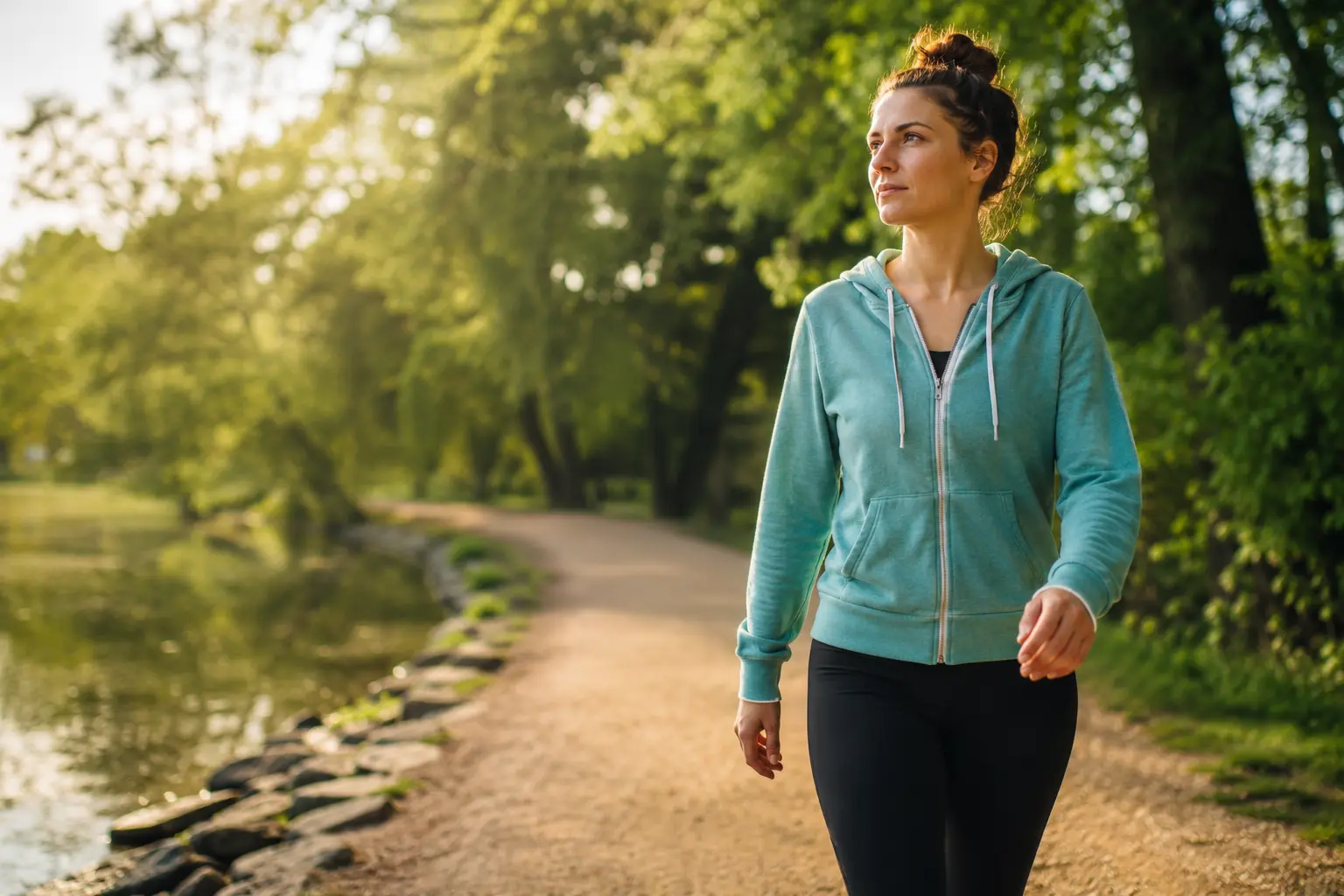
Walking is one of the most underrated forms of cardio available to women, yet it remains one of the most sustainable long-term. Unlike running, which sends impact forces through your joints with every stride, walking distributes your weight evenly and allows your body to move at a pace you control. Start by establishing a baseline: a 20-minute walk at a comfortable pace three times per week. From there, you can gradually increase duration or intensity by adding hills, varying your terrain, or picking up your pace. Many women find that morning walks clear mental fog and set a positive tone for the day. If outdoor walking feels monotonous, try walking in different neighborhoods, parks, or even indoor malls during bad weather. The beauty of walking is that it requires no equipment, no gym membership, and fits seamlessly into daily life. You can walk while listening to podcasts, audiobooks, or music. Over time, consistent walking improves cardiovascular endurance, strengthens your lower body stabilizer muscles, and boosts mood through natural endorphin release.
- Improves cardiovascular health
- Suitable for all fitness levels
- Can be done indoors or outdoors
Swimming
Swimming stands apart as a true full-body, zero-impact workout that engages nearly every muscle group while supporting your body weight in water. The buoyancy of water eliminates stress on joints, making it ideal for women with arthritis, previous injuries, or those recovering from surgery. When you swim, your muscles work against water resistance, which builds strength without the jarring impact of land-based exercise. Begin with 20 to 30 minutes of steady swimming two to three times weekly, mixing different strokes like freestyle, backstroke, and breaststroke to target different muscle groups. If you’re not a confident swimmer, water aerobics classes offer similar benefits with less swimming skill required. Many pools offer women-only sessions or beginner classes, creating a supportive environment. Swimming also improves flexibility and lung capacity as you learn to coordinate breathing with movement. The mental aspect matters too: many women report that the rhythmic nature of swimming and the sensory experience of being in water creates a meditative state that reduces stress and anxiety while improving overall cardiovascular fitness.
📘 Fix your day in under 2 minuteschoose where to begin:
Cycling
Cycling delivers an intense cardiovascular workout while keeping impact forces minimal because your body remains seated and supported throughout the movement. Whether you choose stationary cycling indoors or outdoor cycling on roads or trails, you control the resistance and intensity, making it adaptable to your current fitness level. Start with 30 to 45 minutes of moderate cycling two to three times per week, focusing on maintaining a steady cadence rather than pushing hard. Proper bike setup is crucial: your seat height should allow a slight knee bend at the bottom of each pedal stroke, preventing strain. Many women find that cycling builds leg strength and endurance while being gentle on knees and hips. Indoor cycling classes have become increasingly popular, offering community, motivation, and structured workouts with music and coaching. Outdoor cycling adds mental health benefits through nature exposure and the freedom of movement. As your fitness improves, you can increase duration, tackle hillier terrain, or add interval training. Cycling is also practical: you can use it as transportation, combining fitness with errands or commuting.
Elliptical training
The elliptical machine bridges the gap between walking and running by mimicking a running motion without the impact stress that comes with feet striking the ground. Your feet stay in contact with the pedals throughout the entire movement, eliminating the jarring impact that can aggravate knees, hips, and ankles. Begin with 20 to 30 minutes at a moderate resistance level three times weekly, focusing on smooth, controlled movements rather than speed. Many ellipticals allow you to adjust incline and resistance independently, letting you customize difficulty. Leaning slightly forward engages your glutes and hamstrings more, while standing more upright emphasizes your quadriceps. Some women find that using the moving handles adds an upper body component, turning it into a total-body workout. The elliptical works well for interval training: alternate between two minutes of moderate effort and one minute of higher intensity to boost cardiovascular gains. Because the motion feels familiar to running, many women transitioning from running injuries use the elliptical as a bridge back to higher-impact activities. The machine’s low impact nature makes it sustainable for long-term use without joint degradation.
Dancing
Dancing transforms cardio from a chore into genuine enjoyment, making it one of the most sustainable long-term options for women who struggle with motivation. Whether you choose Zumba, hip-hop, ballet-inspired workouts, or simply dancing to music at home, the cardiovascular benefits are real while the experience feels playful. Dancing improves coordination, balance, and proprioception (body awareness) while elevating your heart rate to aerobic levels. Start with 30 to 45 minutes of dancing three times weekly, either through online classes, in-person group sessions, or solo at home. The social aspect of group dance classes provides accountability and community, which many women find motivating. Dancing also offers a creative outlet and stress relief that traditional cardio sometimes lacks. You’ll notice improvements in posture, core strength, and lower body stability as you learn choreography and movement patterns. Many women report that dancing boosts confidence and body image because it emphasizes what your body can do rather than how it looks. The variety available means you can switch styles whenever you feel bored, keeping workouts fresh and engaging long-term.
Low impact cardio options like walking, swimming, cycling, elliptical training, and dancing provide effective cardiovascular benefits while protecting your joints from stress and strain. Each option offers unique advantages: walking requires no equipment, swimming engages your entire body, cycling builds leg strength, elliptical training mimics running safely, and dancing makes fitness enjoyable. The best choice depends on your preferences, current fitness level, and access to facilities. Start with whichever option appeals to you most, commit to consistency over intensity, and gradually increase duration or difficulty as your fitness improves. These exercises work best when combined with strength training and flexibility work, creating a well-rounded fitness routine that supports long-term health and wellness.
Are low impact cardio exercises suitable for beginners?
Yes, low impact cardio exercises are perfect for beginners because they allow you to build cardiovascular fitness at your own pace without overwhelming your body. Start with shorter durations (20 to 30 minutes) at a comfortable intensity, then gradually increase as your fitness improves. All five options mentioned can be modified for beginners.
Can low impact cardio exercises help with weight loss?
While low impact cardio exercises may not burn as many calories per session as high-impact options, they still contribute meaningfully to weight loss when combined with a healthy diet and done consistently. The advantage is sustainability: because low impact options are gentler on your body, you can perform them more frequently and for longer periods without injury, ultimately creating the calorie deficit needed for weight loss.
Others also read:
Disclaimer: This article is for informational purposes only and is not a substitute for professional medical advice. Always consult a healthcare professional for personal guidance.
This guide has been prepared and reviewed by the GlobalHealthBeacon editorial team and reflects current medical research as of 2026. It provides structured, evidence-based information to support informed health decisions.
