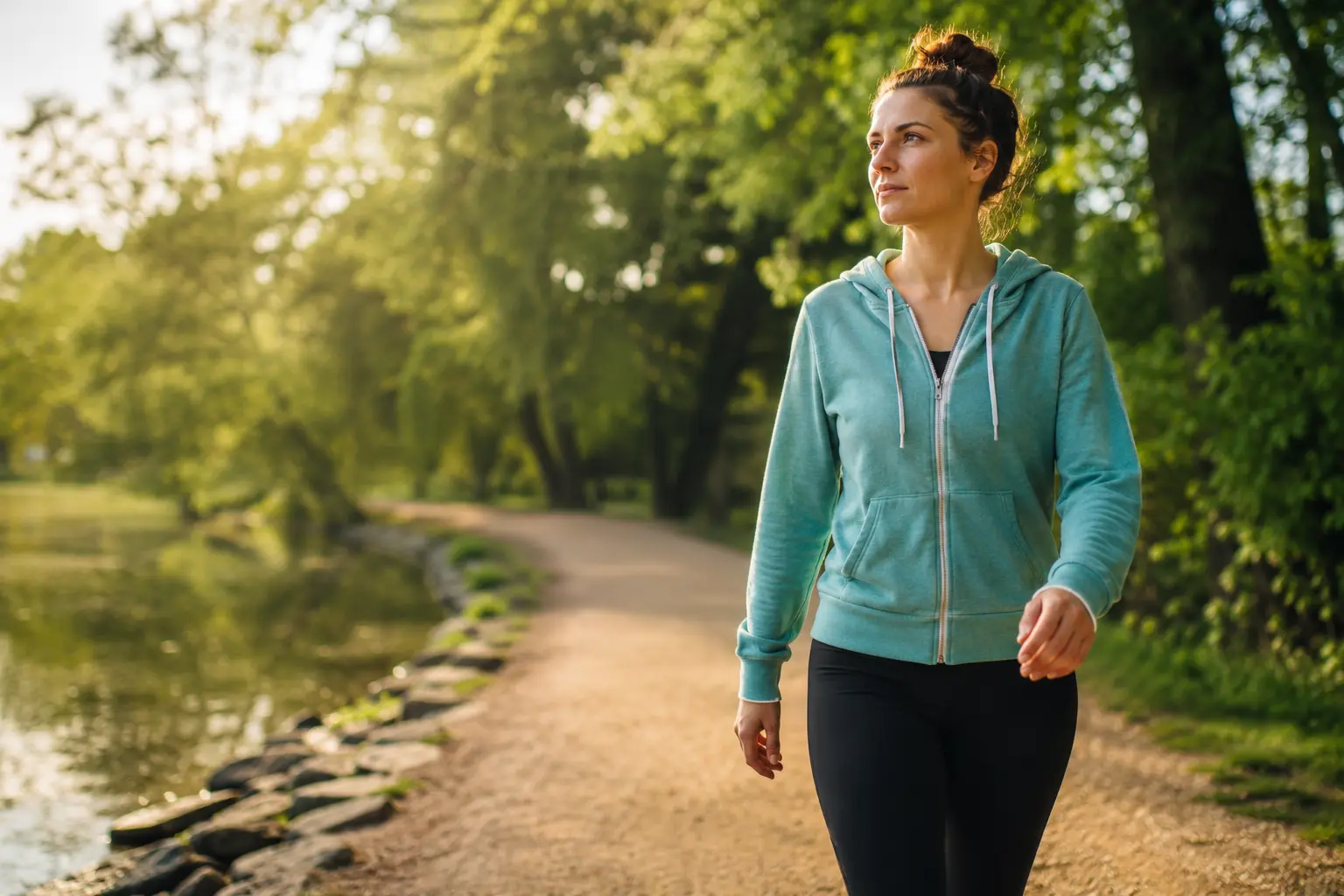
Your knees are screaming, your joints feel fragile, and you’re convinced that getting fit means pounding pavement or risking injury, but here’s the truth: low impact cardio options exist that actually work for your body and your life.
Walking: a simple yet effective option
Walking is one of the most underestimated forms of cardio available to women, yet it delivers real results without the wear and tear on your joints. Picture this: a woman in her 50s who spent years avoiding exercise because high-impact activities left her ankles sore. She started with 20-minute walks three times a week, gradually building to 45 minutes. Within eight weeks, she noticed her resting heart rate had dropped and her energy levels improved throughout the day. The beauty of walking is its flexibility. You can walk on flat terrain for beginners, gradually introduce inclines on a treadmill to increase intensity, or vary your pace between brisk and moderate intervals. Many women find that walking becomes a mental health tool as much as a physical one. Start with a comfortable pace where you can still hold a conversation, then after two weeks, aim to walk fast enough that talking becomes slightly challenging. This simple progression builds cardiovascular fitness without overwhelming your body.
- Improves cardiovascular health
- Stimulates fat burning
- Enhances mood and mental well-being
Swimming: gentle on joints, great for the body
Swimming stands out as perhaps the most forgiving cardio option for women with joint concerns or those recovering from injury. The water supports your entire body weight, eliminating impact while allowing you to work every major muscle group simultaneously. Consider a woman with arthritis who had avoided exercise for years, fearing pain. After her doctor recommended swimming, she joined a local pool and began with just 15 minutes of gentle freestyle and walking in the shallow end. Six months later, she was swimming 30 minutes three times weekly, experiencing less joint pain and improved flexibility. The resistance water provides means you build strength while improving heart health. You don’t need to be a competitive swimmer either. Mix different strokes, try water aerobics classes designed for women, or simply walk back and forth in the pool. The key is consistency. Start with whatever pace feels manageable, focus on steady movement for 20 to 30 minutes, and gradually increase frequency from twice to three or four times per week as your fitness improves.
📘 Fix your day in under 2 minuteschoose where to begin:
Cycling: pedal your way to fitness
Cycling, whether outdoors or stationary, offers a controlled environment where you manage the intensity completely. Imagine a woman who loves being outside but worried that running would damage her knees. She invested in a hybrid bike and started with 30-minute rides on flat terrain twice weekly. Within weeks, she expanded to longer weekend rides and began exploring new neighborhoods, turning exercise into adventure. Stationary bikes offer similar benefits with added convenience and safety. The seated position keeps impact minimal while your legs do the work. Adjust the seat height so your knee is slightly bent at the bottom of each pedal stroke, preventing strain. Start with lower resistance and moderate cadence, focusing on smooth, controlled movements. As your fitness builds over four to six weeks, gradually increase resistance or duration rather than speed. Many women find that cycling becomes a form of meditation, offering time alone with their thoughts while their cardiovascular system strengthens.
Elliptical training: smooth and effective
The elliptical machine bridges the gap between walking and running, offering higher intensity without impact. A woman recovering from knee surgery used the elliptical as part of her rehabilitation. She started with just 10 minutes at very low resistance, barely moving her arms. Over three months, she worked up to 30-minute sessions with moderate resistance and full arm engagement, eventually returning to activities she thought were lost. The elliptical’s smooth gliding motion means your feet never leave the pedals, eliminating the jarring impact of running. Begin with minimal resistance and a comfortable stride length, focusing on maintaining steady rhythm for 15 to 20 minutes. Your arms should move naturally with your legs. After two weeks of consistent use, increase either duration or resistance slightly, but not both simultaneously. Many women appreciate that they can watch television or listen to podcasts while using the elliptical, making it easier to stay consistent. The full-body engagement means you’re working your core, arms, and legs all at once, maximizing efficiency.
Dancing: fun cardio for all ages
Dancing transforms cardio from obligation into joy, which is why so many women stick with it long-term. A woman who never considered herself athletic discovered Zumba at age 45 and found herself attending classes four times weekly, something she never would have done with traditional exercise. She lost weight, gained confidence, and made friends, all while improving her cardiovascular fitness. Dancing works because it doesn’t feel like exercise. Your brain focuses on rhythm and movement rather than the effort, making time pass quickly. Start with beginner-friendly options like gentle ballet-inspired classes or low-impact Zumba designed for women. You don’t need coordination or prior experience. Most instructors modify movements, so you can take it at your own pace. Dance for 30 to 45 minutes at a tempo that elevates your heart rate but allows you to enjoy the music. The social aspect matters too. Many women find that exercising with others increases accountability and makes showing up easier. Whether you choose online videos at home or in-person classes, dancing offers cardiovascular benefits wrapped in fun.
Low-impact cardio options for women include walking, swimming, cycling, elliptical training, and dancing. These activities not only improve cardiovascular health but also offer a range of benefits such as fat burning, muscle toning, and mental well-being.
Is low-impact cardio suitable for beginners?
Yes, low-impact cardio exercises are generally safe and effective for beginners. Start at a comfortable pace and gradually increase the intensity as your fitness level improves.
How often should I do low-impact cardio?
It is recommended to aim for at least 150 minutes of moderate-intensity cardio exercise per week. You can spread this out over several days or opt for shorter sessions daily.
Others also read:
Disclaimer: This article is for informational purposes only and is not a substitute for professional medical advice. Always consult a healthcare professional for personal guidance.
This guide has been prepared and reviewed by the GlobalHealthBeacon editorial team and reflects current medical research as of 2026. It provides structured, evidence-based information to support informed health decisions.
